Your Legal Team’s Secret Weapon: The Colorado DRIVES Database
When a massive 18-wheeler collides with your vehicle on I-70, the aftermath can feel overwhelming. You’re dealing with injuries, insurance companies, and a mountain of paperwork while trying to piece together exactly what happened. Behind the scenes, experienced attorney know that one powerful tool can make the difference between a strong case and a weak one: the Colorado DRIVES database. This comprehensive crash data system maintained by the Department of Revenue contains crucial information that skilled legal professionals can leverage to build compelling cases for their clients.
💡 Pro Tip: Request your crash report as soon as possible, even though processing may take up to 90 days. Having this documentation ready when you meet with an attorney can jumpstart your case.
Don’t let the complexities of a truck accident overwhelm you. Reach out to Jacobs Law today to explore how Colorado DRIVES can back your case with invaluable data. Give us a call at 303-529-4040 or contact us online to start your journey towards justice.

Understanding Your Right to Access Crash Information
Colorado law provides specific rights to access crash data, and a truck accident lawyer in Denver understands exactly how to navigate these systems effectively. When crashes occur, investigating officers complete a form called DR3447, which gets sent to the Department of Revenue for processing and entry into the DRIVES database. This becomes the official legal record of your accident. While CDOT maintains strict privacy protections and won’t release personal identifying information like names, driver’s license numbers, or addresses, attorney have legal channels to access the comprehensive data needed for your case.
The DRIVES system serves as Colorado’s central repository for all motor vehicle crashes, excluding only private property incidents and counter reports. For commercial vehicle accidents, this database becomes even more critical because the Colorado State Patrol Motor Carrier Safety Section enforces Federal Motor Carrier Safety Regulations adopted by the state. Your truck accident lawyer in Denver can request specific crash data through open records requests, typically receiving detailed information in Excel format covering up to five years of historical data.
💡 Pro Tip: The Department of Revenue maintains crash information for seven years, giving your attorney ample time to gather historical data about dangerous intersections or trucking companies with poor safety records.
The Step-by-Step Process: From Crash to Court
Understanding the timeline of how crash data flows through Colorado’s systems helps you appreciate why patience and persistence matter in truck accident cases. Once you’ve been involved in a collision with a commercial vehicle, several critical steps unfold that directly impact your ability to build a strong legal case. Your truck accident lawyer in Denver knows these timelines inside and out, using them strategically to gather the most compelling evidence.
- Immediate crash investigation by law enforcement, with officers completing the DR3447 form at the scene
- Processing time of up to 10 working days for submittal, review, corrections, and approval of the report
- Department of Revenue data entry into the DRIVES system, which can take up to 90 days total
- CDOT enhancement process that adds crash type fields, corrects errors, updates location information, and normalizes data for analysis
- Availability of crash data through the Colorado State Patrol Records Request Portal for authorized parties
💡 Pro Tip: If you didn’t provide current insurance information to the trooper at the scene, you must file a financial responsibility form within 10 days to avoid additional complications with your case.
How Jacobs Law Transforms Raw Data Into Winning Strategies
The real power of the Colorado DRIVES database emerges when a truck accident lawyer in Denver knows how to interpret and apply this information strategically. At Jacobs Law, attorney understand that raw crash data tells a story, one that can reveal patterns of negligence, safety violations, or dangerous road conditions. By submitting targeted open records requests, legal teams can obtain comprehensive crash histories for specific trucking companies, dangerous corridors along highways like I-25 through Centennial, or intersection data that proves a location has been problematic for years.
This enhanced data, protected under federal statute 23 U.S.C. Section 407 for highway safety improvement purposes, provides invaluable ammunition in negotiations with insurance companies. When you consult a lawyer about your case, they can use DRIVES data to demonstrate that your accident wasn’t an isolated incident but part of a larger pattern requiring accountability. The database helps establish crucial elements like the commercial driver’s history, the trucking company’s safety record, and whether similar crashes have occurred at the same location.
💡 Pro Tip: Ask your attorney to pull corridor-specific data if your accident occurred on a notorious stretch of highway, this historical information can significantly strengthen your position during settlement negotiations.
Critical Information Hidden in DRIVES Records
Beyond basic accident details, the Colorado DRIVES system contains layers of information that experienced attorney know how to uncover and utilize. Commercial vehicle crashes generate particularly detailed records because of additional federal requirements. The Motor Carrier Safety Section’s enforcement of Federal Motor Carrier Safety Regulations means that truck accidents often involve multiple data points about driver qualifications, vehicle maintenance records, and hours of service compliance. A skilled truck accident lawyer in Denver can cross-reference this information with Colorado crash data to build a comprehensive picture of negligence.
Chain Law Violations and Weather-Related Crashes
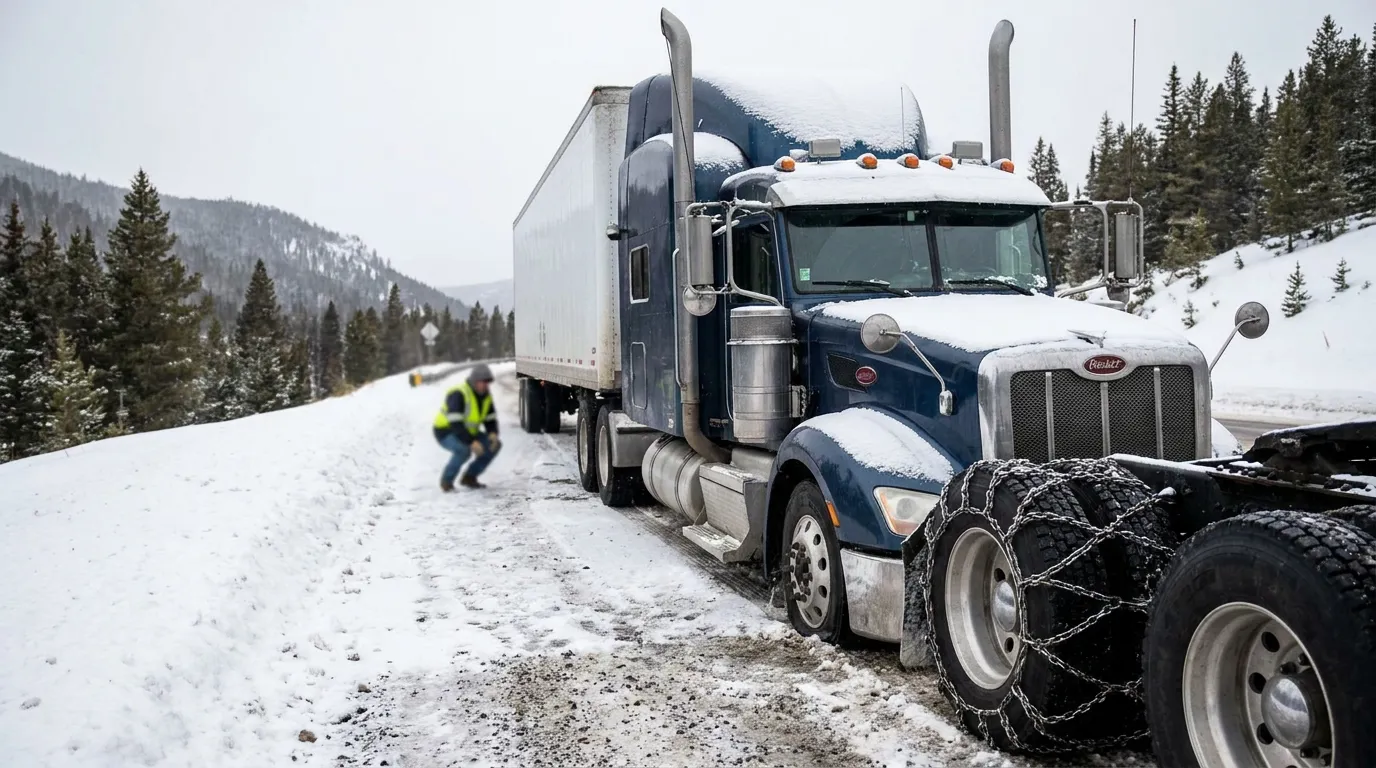
Colorado law requires truckers to carry chains from September 1 to May 31 when traveling on I-70 between Morrison and Dotsero. DRIVES records can reveal whether a commercial driver violated these requirements during winter conditions. During "Accident Alert" conditions, when officers only respond to crashes involving disabled vehicles, injuries, or other specific circumstances, the database still captures critical information about weather conditions and road status that contributed to the crash. This data becomes particularly valuable when proving that a trucking company sent drivers out in dangerous conditions without proper equipment.
💡 Pro Tip: If your accident occurred during winter months, ensure your attorney checks for chain law compliance, violations can establish clear negligence and strengthen your compensation claim.
Navigating Privacy Laws While Building Your Case
While CDOT maintains strict privacy protections under federal law, attorney have specific legal avenues to access the information needed for your case. Understanding these privacy boundaries helps explain why having professional legal representation matters so much in truck accident cases. The system protects personal identifying information including VIN numbers, local case numbers, and state identifiers, but attorney can still access Colorado crash data through proper channels to identify patterns and build compelling arguments for their clients.
Online Reporting Limitations You Should Know
If police weren’t called to your accident scene, you might have filed a report online. However, these self-reported crashes don’t receive law enforcement investigation and are kept for record purposes only. The Colorado State Patrol doesn’t have access to these online submissions, as they file directly with the Department of Revenue. This limitation makes it crucial to ensure proper documentation from the start. For serious truck accidents, having an official Colorado State Patrol crash information report strengthens your position significantly compared to self-reported incidents.
💡 Pro Tip: Always call law enforcement to the scene of a truck accident, even if injuries seem minor, the official investigation and DRIVES entry provide crucial legal documentation you can’t replicate later.
Frequently Asked Questions
Common Questions About DRIVES and Your Truck Accident Case
Understanding how the Colorado DRIVES database impacts your legal options helps you make informed decisions about your case. These frequently asked questions address the most common concerns clients have about accessing and using crash data.
💡 Pro Tip: Prepare a list of specific questions about your accident before meeting with an attorney, the more details you provide, the more targeted their DRIVES data requests can be.
Taking Action With DRIVES Information
The path from accident to resolution becomes clearer when you understand how legal professionals use available tools and databases. Knowledge about the DRIVES system empowers you to work more effectively with your legal team.
💡 Pro Tip: Keep copies of all accident-related documents, even if they seem unimportant, your attorney can cross-reference these with DRIVES data to identify discrepancies or additional evidence.
1. How long does it take for my truck accident to appear in the Colorado DRIVES database?
The complete process can take up to 90 days. After the officer completes their investigation and files the DR3447 form, it goes through submittal, review, corrections, and approval (up to 10 working days), then enters the Department of Revenue’s data entry queue. Understanding the 90-day processing timeline helps you plan accordingly when building your case timeline.
2. Can my Denver truck accident lawyer access DRIVES records from other vehicles involved?
While CDOT protects personal identifying information, attorney can request comprehensive crash data through proper legal channels. This includes information about all vehicles involved, though names and personal details remain protected under privacy laws.
3. What information from DRIVES proves most valuable in truck accident lawsuits?
Enhanced crash data including crash type fields, corrected location information, and normalized engineering data often reveal patterns of negligence. Historical corridor data showing repeated accidents at specific locations or involving particular trucking companies can significantly strengthen your case.
4. How far back can Colorado crash data be retrieved for my case?
Open records requests typically provide up to five years of detailed crash data in Excel format. The Department of Revenue maintains records for seven years total, giving attorney substantial historical information to establish patterns or previous violations.
5. What should I do if I filed an online crash report instead of calling police?
Online reports filed by individuals don’t receive law enforcement investigation and go directly to the Department of Revenue. If you’re pursuing legal action, inform your attorney immediately about this limitation so they can work to gather additional evidence to support your claim.
Work with a Trusted Truck Accident Lawyer
The Colorado DRIVES database represents just one tool in the arsenal of resources available to build your truck accident case. Understanding how legal professionals access and interpret this data helps you appreciate the value of experienced representation. When selecting an attorney to handle your case, ask about their experience with DRIVES data requests and how they plan to use this information to strengthen your position. The right legal team knows that combining official crash records with witness statements, expert analysis, and thorough investigation creates the foundation for successful outcomes in complex truck accident cases.
Feeling buried under the aftermath of a truck accident? Let Jacobs Law lend a hand and help you untangle the details using Colorado DRIVES. Don’t wait, give us a call at 303-529-4040 or contact us online to move your case forward.