
What Is an Independent Medical Exam After a Centennial Car Accident?
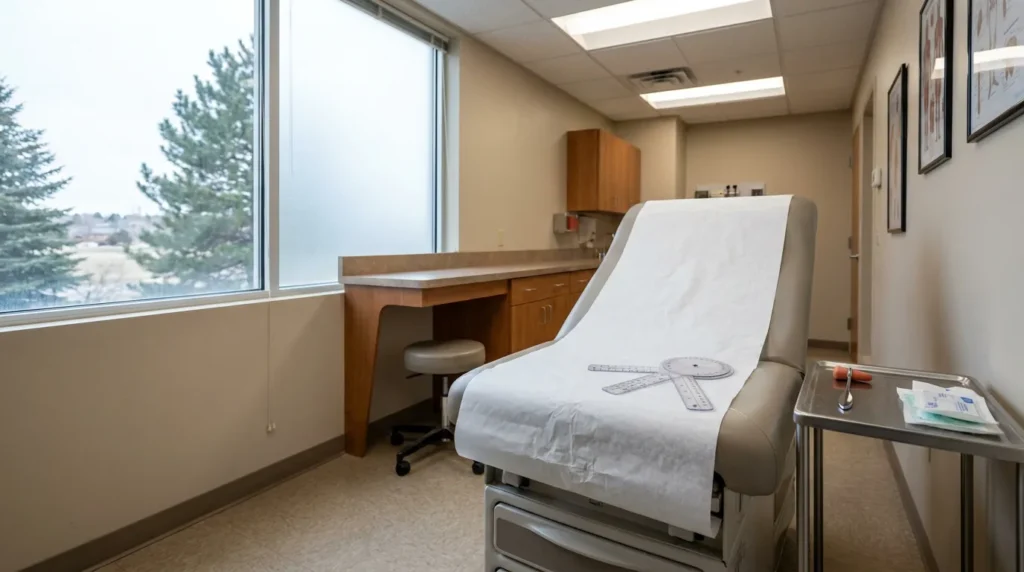
Understanding the Insurance Medical Exam Request in Your Centennial Injury Claim Key Takeaways: An independent medical exam (IME) after a Centennial car accident is generally a physical, and occasionally mental, evaluation performed by a physician chosen and paid by an insurance company, not your own treating doctor. The exam is evaluative rather than therapeutic, and […]
What Is a Rideshare Exclusion in a Colorado Personal Auto Policy?

The Insurance Fine Print That Can Derail an Uber Injury Claim Key Takeaways: A rideshare exclusion is a clause in a Colorado personal auto policy that may strip coverage while a vehicle is used commercially, including while a driver is logged into Uber or Lyft. Colorado law expressly contemplates these clauses, so the at-fault driver’s […]
7 Documents a Centennial Truck Crash Victim Should Look for in a Driver File
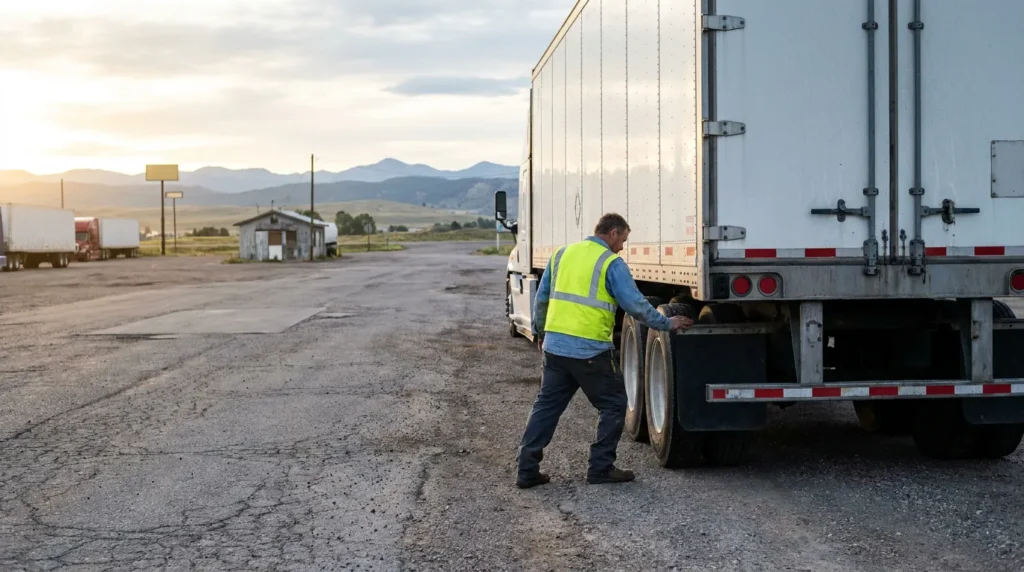
What a Trucking Company’s Hiring Paperwork Can Reveal After a Centennial Crash Key Takeaways: Federal law requires motor carriers to keep a driver qualification file on every driver, and seven records connected to that file often matter most to a Centennial truck crash victim: the employment application, the motor vehicle record and annual review, the […]
What Is the Deadline to File a UIM Claim in Centennial, Colorado?
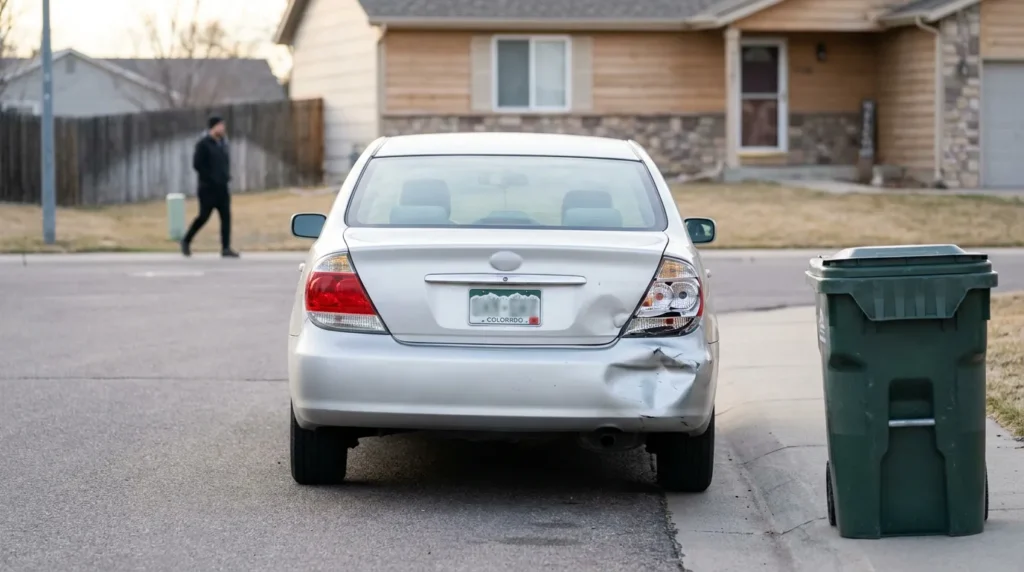
Understanding the Clock on Underinsured Motorist Claims in Centennial Key Takeaways: In Colorado, the deadline to file an underinsured motorist claim in Centennial is generally three years from the date the cause of action accrues, under C.R.S. § 13-80-107.5. A conditional alternative may allow a UIM claim brought within two years after the insured receives […]
What Is Colorado’s Seat Belt Defense Under 42-4-237 for Uber Riders?
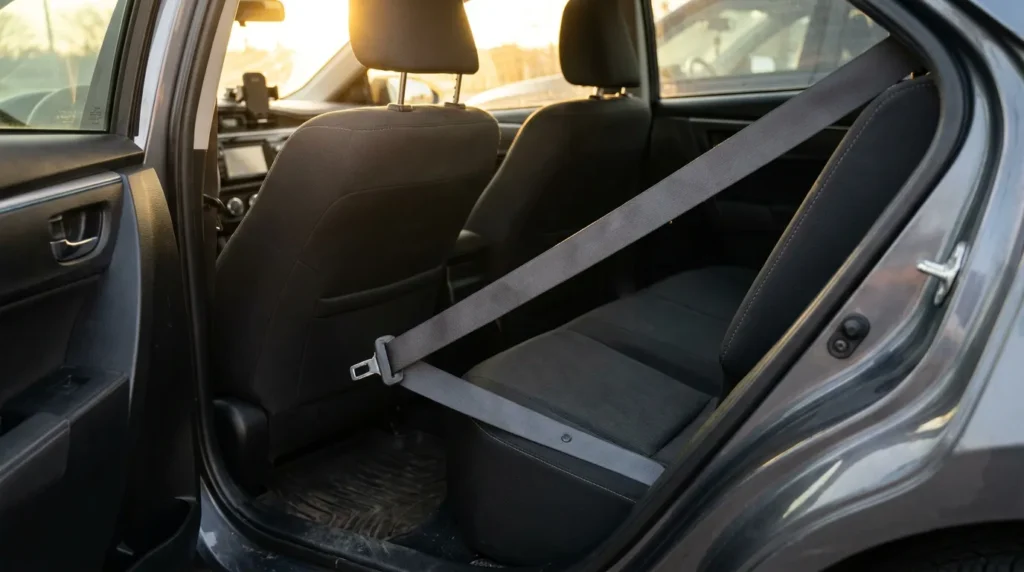
How an Unbuckled Seat Belt Can Affect Your Uber Injury Claim in Centennial Key Takeaways: Colorado’s seat belt defense under C.R.S. § 42-4-237(7) allows rideshare insurers to introduce evidence of seat belt non-use, but only to mitigate pain and suffering damages. Medical payments, lost wages, and other economic losses remain fully recoverable. The belt duty […]
What Is Uber’s Arbitration Clause and How Does It Affect Centennial Claims?

The Fine Print Behind Every Uber Ride in Centennial Key Takeaways: Uber’s app terms typically require arbitration rather than jury trial for disputes. Colorado courts evaluate these clauses under the Colorado Uniform Arbitration Act, C.R.S. §§ 13-22-201 through 13-22-230, with the Federal Arbitration Act potentially preempting state rules that disfavor arbitration. Filing suit does not […]
What Is Colorado’s Chain Law and How Does It Affect Truck Crash Claims?

Winter Traction Rules on Colorado Highways and Why They Matter After a Crash Key Takeaways: Colorado’s chain law, codified at C.R.S. § 42-4-106, authorizes CDOT to restrict highway travel in icy or snow-packed conditions unless vehicles carry chains or approved traction devices. Commercial trucks must chain at least four drive-wheel tires (two for buses). Violations […]
Why the 8-Hour Alcohol Test Deadline Matters After a Centennial Truck Crash
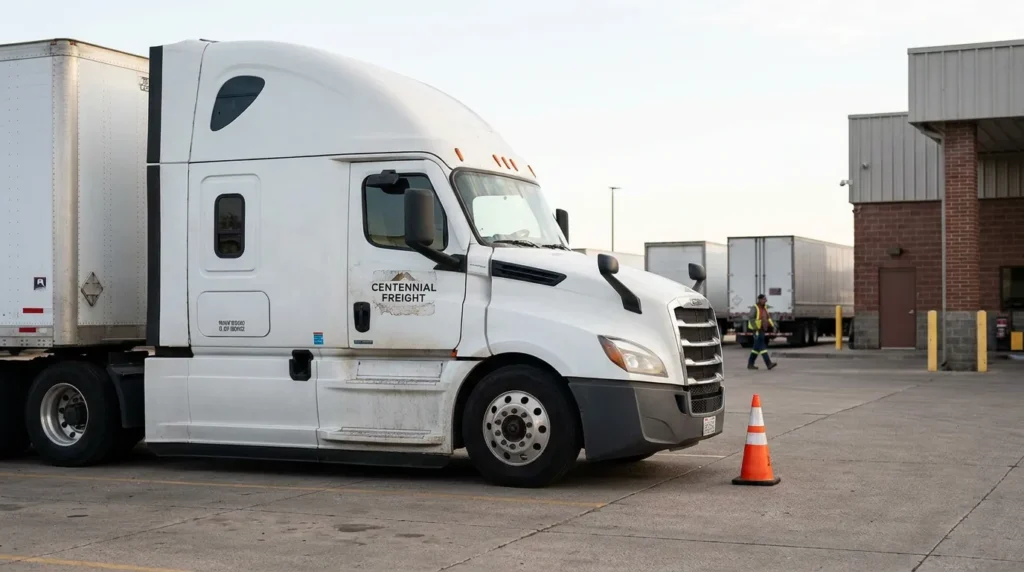
The Narrow Window That Can Make or Break Your Truck Crash Case Key Takeaways: Federal FMCSA rules require employers to test commercial drivers for alcohol after qualifying crashes as soon as practicable, with documentation required if no test occurs within two hours and attempts ceasing after eight hours under 49 C.F.R. § 382.303(d)(1). Testing is […]
What Is Colorado’s Bad Faith Insurance Law Under 10-3-1116?

When Your Own Insurance Company Becomes the Problem Key Takeaways: Colorado’s bad faith insurance law under §§ 10-3-1115 and 10-3-1116, C.R.S. gives first-party policyholders a private right of action when an insurer unreasonably delays or denies payment of a covered benefit. The statutory claim requires only two elements: benefits were denied or delayed, and the […]
What Is a Hospital Lien Under Colorado’s 38-27-101 Law?

When a Hospital Claims Part of Your Car Accident Settlement Key Takeaways: A hospital lien under Colorado’s C.R.S. § 38-27-101 is a statutory claim by a state-licensed hospital against your settlement or judgment proceeds from the party who injured you, not against your home, wages, or bank account. Hospitals must first bill any identified property […]