Understanding the Insurance Medical Exam Request in Your Centennial Injury Claim
Key Takeaways: An independent medical exam (IME) after a Centennial car accident is generally a physical, and occasionally mental, evaluation performed by a physician chosen and paid by an insurance company, not your own treating doctor. The exam is evaluative rather than therapeutic, and the resulting report often addresses causation, treatment necessity, maximum medical improvement, and impairment before going to the insurer. Colorado insurers generally draw authority for these requests from cooperation and examination provisions in the auto policy, language paralleling the health-insurance standard provision at CO § 10-16-202(11), limited by a reasonableness standard, while defendants in litigation may seek a court-ordered exam under civil rules. Exams commonly arise in MedPay, liability, and UM/UIM claims, where carriers may have a financial incentive to scrutinize treatment early. Preparation, honesty, consistency with your medical records, and continued care with your own providers are among the most useful safeguards against an unfavorable report. Because most Colorado crash victims generally have three years to file suit, and because an adverse report may be rebutted with treating-provider evidence, speaking with an attorney before attending is often worthwhile.
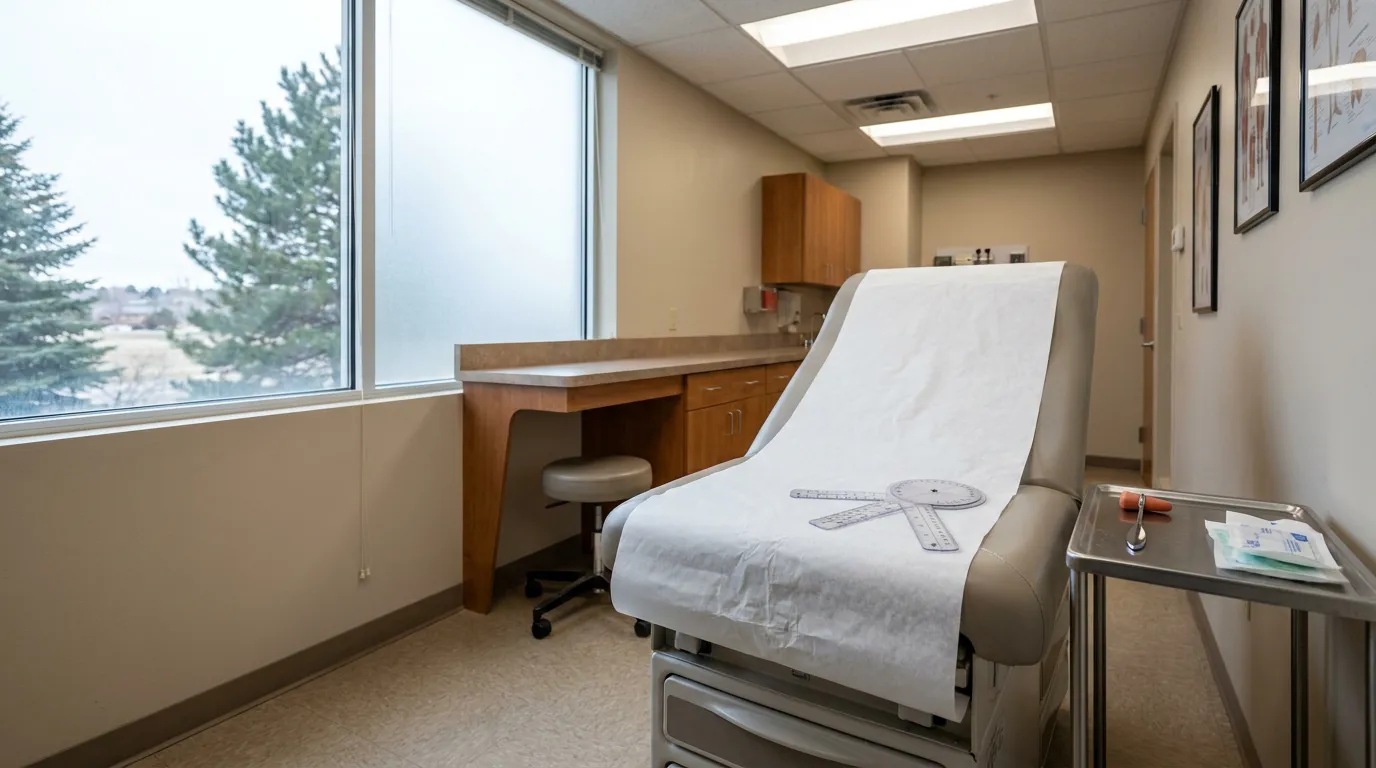
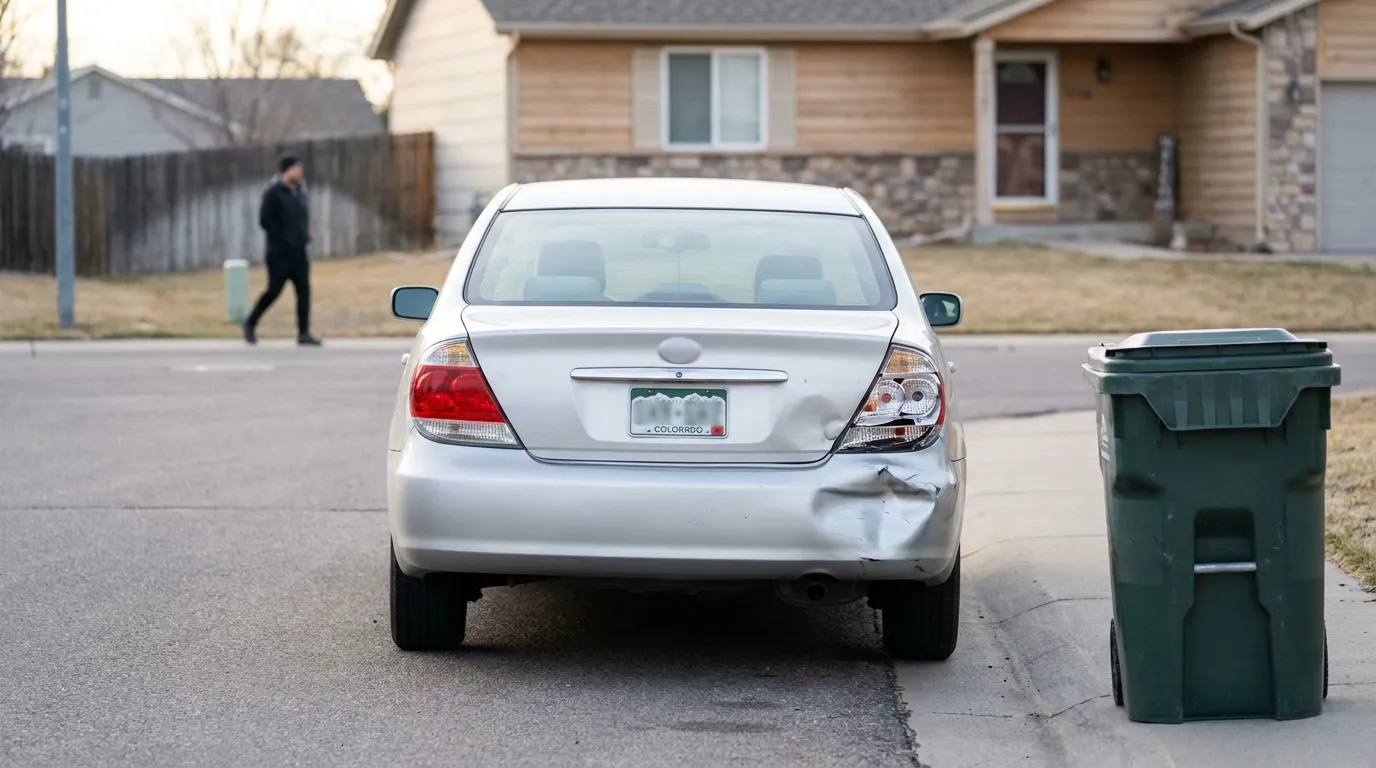
An independent medical exam, or IME, is performed by a physician selected and paid for by an insurance company rather than your own treating doctor. After a crash in Centennial, an insurer evaluating your bodily injury or medical payments claim may request this evaluation to assess whether your injuries and treatment are genuinely connected to the collision. Despite the word "independent," the examining physician is retained by the insurer, and the resulting report may influence how much an adjuster is willing to pay.
If you received an IME notice after a collision, the team at Jacobs Law can explain your options before you attend. Call 303-529-4040 or contact us now to discuss what the insurer is asking of you.
What an Independent Medical Exam Colorado Car Accident Claimants Face Really Involves
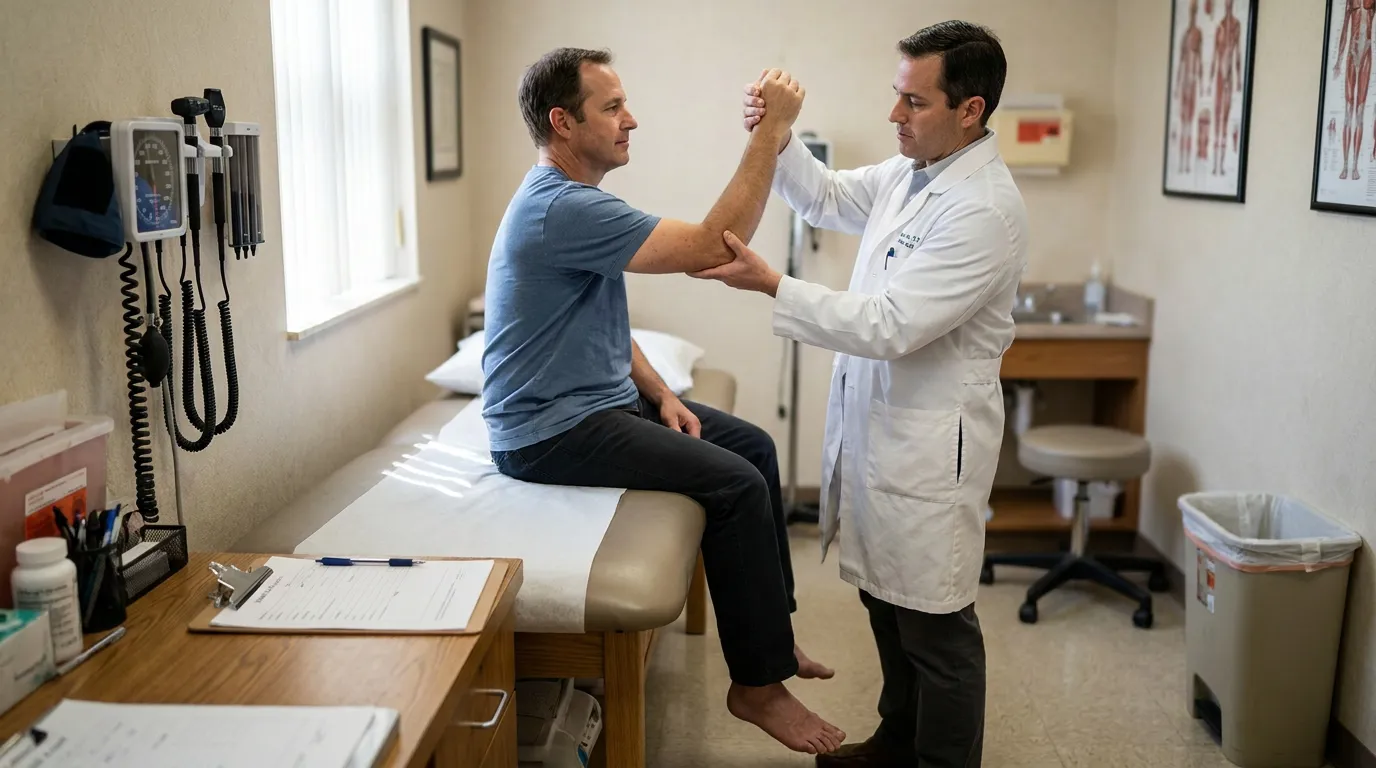
The exam looks like a standard doctor’s visit, but its purpose is evaluative rather than therapeutic. The physician usually reviews your medical records, takes a history of the crash and your symptoms, performs a physical exam, and sometimes reviews imaging. Unlike a visit with your own provider, no treatment relationship is created, and statements made during the exam are generally reported to the requesting party rather than kept confidential.
The physician’s report generally goes to the insurer or defense counsel, not to you automatically. It often addresses causation, the necessity of your treatment, whether you’ve reached maximum medical improvement, and any permanent impairment. Because these conclusions can shape settlement value, claimants often describe the process as a defense medical exam rather than a neutral one.
Where the Insurer’s Authority to Request an Exam Comes From
In a first-party claim, the insurer’s authority generally comes from the policy you bought, not a statute that applies to auto coverage directly. Most auto policies contain a cooperation clause requiring an insured to submit to reasonable examinations as a condition of MedPay or UM/UIM benefits. That language mirrors the standard health and accident policy provision codified at CO § 10-16-202(11), which requires policy text stating that "the insurer at its own expense shall have the right and opportunity to examine the person of the insured when and as often as it may reasonably require during the pendency of a claim hereunder." That statute governs sickness and accident policies rather than motor vehicle policies, but the operative limitation is the same one courts apply to auto policy language: reasonableness. Repeated, distant, or burdensome exam demands may be challenged, and whether a refusal actually forfeits coverage generally depends on the policy wording and any resulting prejudice to the insurer.
In litigation, a separate track may apply. Once a lawsuit is filed, a defendant may move the court for a physical or mental examination under the Colorado Rules of Civil Procedure, which generally require that the person’s condition be genuinely in controversy and that the moving party show good cause; a judge may then impose conditions on the time, place, scope, and examiner. These civil discovery exams are generally distinct from workers’ compensation division IMEs administered through the state’s division independent medical examination process, which applies only to work injury claims.
Why Insurers Order an IME After a Crash
Insurers may order exams because MedPay, when part of the policy, pays regardless of fault, and carriers often want verification first. Colorado repealed its no-fault system in 2003, so MedPay is optional coverage an insurer must offer in an amount of at least $5,000 unless the insured rejects it in writing. Where it applies, Colorado law provides that "medical payments coverage pays for reasonable health-care expenses incurred for bodily injury caused by an automobile accident, regardless of fault, up to the policy limits chosen by the insured" (CO § 10-4-636(4)(a)). That same statute states that "medical payments coverage is primary to any health insurance coverage available to an insured when injured in an automobile accident" (CO § 10-4-636(4)(b)), which may give carriers a financial reason to scrutinize treatment early.
Colorado is generally a fault-based, or tort, state for auto claims, which adds another layer. The at-fault driver’s liability insurance generally bears responsibility for injury damages, and Colorado requires drivers to carry minimum liability coverage for bodily injury and property damage. The Colorado Division of Insurance explains these Colorado auto insurance requirements along with optional coverages such as MedPay, and claims under any of these coverages can trigger an exam request.
Uninsured and Underinsured Motorist Claims
UM/UIM claims are among the more common settings for an insurance medical exam in Centennial. Insurers are generally required to offer uninsured and underinsured motorist coverage, protecting drivers injured by at-fault motorists who lack insurance or carry too little, though an insured may reject that coverage in writing. Because your own carrier evaluates a UM/UIM claim much as a liability insurer would, while still owing you duties of good faith, it may use an IME to test the extent of claimed injuries before settlement discussions advance.
💡 Pro Tip: Ask in writing who requested the exam, under which coverage, and under what authority. The answer can help determine whether a contractual policy provision, a court order, or nothing at all supports the demand.
The Colorado IME Process Step by Step
Most claimants encounter a fairly predictable sequence, though details vary by insurer and by whether a lawsuit is pending.
| Stage | What Generally Happens |
|---|---|
| Notice | The insurer or defense counsel sends a letter identifying the physician, date, and location |
| Records review | The examiner receives your medical records, imaging, and sometimes the crash report |
| The examination | History-taking and a physical exam, often lasting well under an hour |
| Report issuance | Written findings on causation, treatment necessity, and impairment go to the requesting party |
| Claim impact | The adjuster or defense uses the report in valuation, negotiation, or trial |
Preparation may matter more than most people realize. Arrive on time, bring a list of your symptoms and providers, and describe your limitations accurately without minimizing or exaggerating. Consistency between what you tell the examiner, what appears in your treatment records, and what you’ve reported to the adjuster can be among the most important factors in how the report reads.
- Be truthful and specific about pain levels, frequency, and functional limits.
- Avoid guessing about dates or diagnoses; saying you do not recall is acceptable.
- Note the exam’s start and end time and what the physician actually did.
- Assume you may be observed arriving, walking, and leaving the building.
- Request a copy of the report through your attorney after it issues.
How an IME Report Can Affect Your Personal Injury Claim
An unfavorable report does not necessarily end your claim, but it may create a dispute your side must answer. Examiners sometimes attribute symptoms to degenerative conditions, prior injuries, or unrelated causes, or opine that treatment continued longer than necessary. Your treating physicians’ records, imaging, and, in litigation, a retained medical opinion may help rebut those conclusions, and the examiner’s compensation and history of work for insurers may be explored on cross-examination.
Adjusters may use exam findings as leverage in negotiation. Learning how to handle insurance adjusters before and after an exam may help you avoid statements that later appear inconsistent. Outcomes always depend on the specific facts, the quality of your documentation, and the credibility of competing medical opinions.
💡 Pro Tip: Continue following your treating providers’ recommendations. Gaps in care are among the most commonly cited reasons an examiner questions the severity of an injury.
Deadlines That Shape When an Exam Is Requested
Colorado generally gives most crash victims three years to file suit, which frames the entire claim timeline. Under CO § 13-80-101(1)(n), "all tort actions for bodily injury or property damage arising out of the use or operation of a motor vehicle" must be commenced within three years after the cause of action accrues. That is longer than the general two-year tort deadline, and CO § 13-80-102(1)(a) expressly confirms the two-year rule "does not apply to any tort action arising out of the use or operation of a motor vehicle as set forth in section 13-80-101(1)(n)." Contract-based claims against your own insurer, such as UM/UIM benefits, are governed by different limitation periods that may run from different triggering events.
Exceptions exist, but courts generally interpret them narrowly. Tolling for minors or incapacity and discovery-based arguments may apply in limited, fact-dependent circumstances, so no one should assume a deadline extends automatically. Notice requirements for claims against governmental entities under the Colorado Governmental Immunity Act operate separately from these civil limitation periods, are considerably shorter, and can bar a claim entirely if missed.
Why Crash Data Reinforces the Need for Documentation
Crash severity trends help explain why carriers scrutinize injury claims so closely. The National Highway Traffic Safety Administration reported that over 38,000 people died in motor vehicle traffic crashes in 2020, an increase of roughly 7% compared to 2019, even though driving decreased during the pandemic. State-level fatality data compiled by the Insurance Institute for Highway Safety indicates Colorado accounts for a measurable share of these losses. These figures describe national and state trends only and say nothing about the value of any individual claim.
Frequently Asked Questions
1. Am I required to attend an IME after a Centennial crash?
It depends on the source of the request. A policy examination provision, similar to the language standardized for health coverage in CO § 10-16-202(11) and commonly used by auto insurers, may obligate an insured to submit to a reasonable examination, and a court may order one in pending litigation on a showing of good cause. A request from a third-party adjuster with no contractual relationship to you generally carries different weight, which is why the basis for the demand matters.
2. Can I bring someone with me to the examination?
In many cases, yes, though the examiner or a court order may limit who attends and whether recording is permitted. Having an observer present may help document the exam’s length and content. Confirm the ground rules in advance to avoid a dispute at the door.
3. What is the IME meaning in Colorado workers’ compensation versus auto claims?
They are generally different processes. The Division of Workers’ Compensation administers a formal procedure with its own rules, which generally applies to work injuries. Auto claims instead typically rely on policy provisions or civil discovery rules.
4. Will the IME physician treat my injuries?
Generally no. The examination is typically evaluative, and no treatment relationship is formed. Continue seeing your own providers for care.
5. Should I talk to a lawyer before the exam?
Speaking with a Centennial car accident attorney before attending is often worthwhile. Counsel can evaluate whether the request appears reasonable, seek to negotiate its scope, and help prepare you for what the examiner may ask.
Protecting Your Recovery When the Insurer Sends You to Its Doctor
An independent medical exam is a routine but consequential step in many Colorado auto injury claims. The insurer’s authority to request one is generally grounded in policy language and, in litigation, court rules, and the resulting report may influence causation findings, treatment valuation, and settlement posture. Accurate, consistent documentation of your injuries and continued care with your own providers can be among your most useful tools. Because every claim turns on its own facts, general information cannot substitute for an evaluation of your situation.
If an insurer has scheduled an exam or questioned your injuries, reach out to Jacobs Law in Colorado for guidance. Call 303-529-4040 or schedule a consultation today to review your claim before the exam takes place.
Disclaimer: This content is for informational purposes only and is not legal advice. Every case is unique, and results may vary. Consult an attorney about your specific circumstances.