The Hidden Truth About Truck Insurance That Every Colorado Driver Should Know
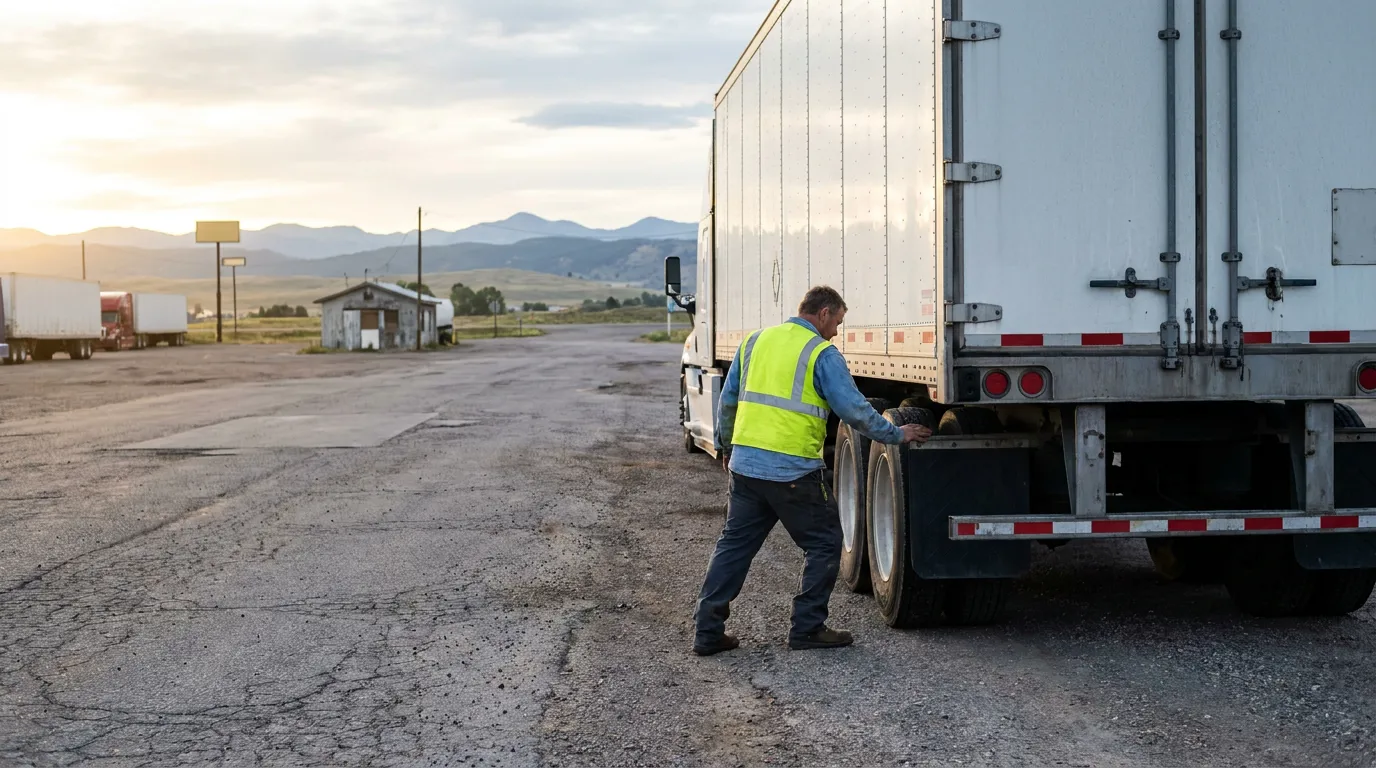
When a massive 18-wheeler crashes into your vehicle on I-25, the last thing on your mind is whether that truck carries enough insurance to cover your medical bills, lost wages, and damaged future. Yet under 49 CFR 387.9, interstate for-hire trucks and commercial vehicles that have a gross vehicle weight rating of 10,001 or more pounds must have at least $750,000 in insurance. While this federal mandate exists to protect victims, many Colorado residents discover too late that this amount barely scratches the surface of catastrophic injury costs. Understanding how FMCSA insurance requirements impact your recovery after a truck accident can mean the difference between full compensation and financial devastation.
💡 Pro Tip: Document everything at the accident scene including the truck’s DOT number, company name, and any visible insurance information – this helps your attorney quickly verify coverage limits and identify all potentially liable parties.
Don’t let the complexities of truck accident insurance leave you high and dry. With Jacobs Law by your side, you can cut through the red tape and confidently seek the compensation you deserve. Reach out today at 303-529-4040 or contact us to get started.

Your Rights When a Truck Accident Lawyer in Denver Explains Federal Insurance Standards
The Federal Motor Carrier Safety Administration established minimum insurance requirements to ensure truck accident victims receive compensation, but these minimums often fall short of actual damages. Any experienced truck accident lawyer in Denver will explain that while $750,000 sounds substantial, a single surgery for spinal injuries can exceed $400,000, leaving victims scrambling to cover ongoing rehabilitation, lost income, and permanent disability accommodations. Colorado law recognizes that motor carriers subject to the minimum limits governed by this section, which are also subject to Department of Transportation limits requirements, are at no time required to have security for more than the required minimum limits established by the Secretary of Transportation in the applicable provisions of 49 CFR Part 387.
Understanding your rights extends beyond just knowing the minimum coverage amounts. Motor carriers subject to these rules shall carry a minimum level of cargo liability coverage of $10,000 for loss or damage to property carried on any one motor vehicle or an amount adequate to cover the value of the property being transported, whichever is less. This means if the truck was carrying valuable cargo that contributed to the accident severity, additional insurance policies might apply to your case.
💡 Pro Tip: Request a copy of the truck’s insurance declaration page through your attorney – many trucking companies carry umbrella policies above the federal minimums that could significantly increase your available compensation.
The Critical Timeline After Your Truck Accident
Time becomes your enemy after a truck accident, not just for healing but for protecting your legal rights. Colorado’s statute of limitations gives you three years to file a lawsuit, but waiting even weeks can compromise your case. Insurance companies representing trucking firms deploy rapid response teams within hours of serious accidents, gathering evidence that could minimize their liability while you’re still receiving emergency treatment.
- First 24 hours: Trucking company investigators arrive at the scene, photograph evidence, and interview witnesses before memories fade
- Within 72 hours: Electronic logging device data and black box information may be downloaded and potentially altered if not preserved by legal order
- First week: Witness memories begin to fade, making their testimony less compelling if not documented immediately
- 30 days: Video surveillance from nearby businesses typically gets overwritten, losing crucial evidence of the accident
- 6 months: Physical evidence at the scene disappears, skid marks fade, and vehicle damage may be repaired without proper documentation
💡 Pro Tip: Send a spoliation letter through your attorney within 48 hours of the accident – this legally requires the trucking company to preserve all evidence including driver logs, maintenance records, and electronic data that could prove negligence.
How a Truck Accident Lawyer in Denver Maximizes Your Recovery Beyond FMCSA Minimums
Smart legal representation goes beyond accepting the basic $750,000 policy limit when your damages exceed this amount. A skilled truck accident lawyer in Denver investigates multiple insurance layers including the trucking company’s umbrella policy, the driver’s personal coverage, cargo insurance, and even the truck manufacturer’s liability coverage if equipment failure contributed to the crash. Jacobs Law has successfully uncovered additional insurance policies that trucking companies deliberately fail to disclose, turning seemingly limited claims into multi-million dollar recoveries for severely injured clients.
The key to maximizing recovery lies in understanding how FMCSR Part 387 Insurance Requirements interact with Colorado state laws and corporate structures. Many trucking companies operate through complex ownership arrangements designed to shield assets, but aggressive legal investigation can pierce these veils to access deeper insurance pockets. Transportation carriers may obtain a certificate of self insurance issued pursuant to § 42-7-501, C.R.S., or part 387 of 49 CFR, which means some large trucking corporations effectively become their own insurance company with substantially more assets available for serious injury claims.
💡 Pro Tip: Never accept a quick settlement offer from the trucking company’s insurance adjuster – these initial offers typically represent a fraction of available coverage and almost never account for future medical expenses or diminished earning capacity.
Understanding Colorado’s Enhanced Truck Accident Data and Your Claim
CDOT Traffic Safety & Engineering Services developed performance dashboards displaying all reporting public roadway crashes in Colorado to better understand numbers, causes, types, and locations of crashes in order to develop effective countermeasures and meet performance targets. This comprehensive data collection benefits accident victims by providing concrete evidence of dangerous trucking corridors, repeat violator patterns, and systemic safety failures that strengthen individual injury claims. When you work with a truck accident lawyer in Denver, they can access this enhanced crash data to demonstrate that your accident location has a history of commercial vehicle incidents, potentially proving the trucking company should have taken extra precautions.
How CDOT’s Data Enhancement Process Strengthens Your Case
CDOT has a process that enhances the crash data received from DOR so that data can be used more efficiently for engineering and research purposes. This process adds an additional field for crash type, corrects common errors, updates the location information where available, and normalizes the data. For truck accident victims, this means your attorney can pull detailed reports showing weather conditions, road design flaws, previous accidents at the same location, and comparative data proving the truck driver’s negligence. The enhanced data often reveals patterns invisible in basic police reports, such as specific trucking companies with multiple violations on the same stretch of highway.
💡 Pro Tip: Ask your attorney to request CDOT’s enhanced crash data for your accident location going back five years – patterns of previous truck accidents can establish the trucking company’s knowledge of dangerous conditions they ignored.
Special Insurance Requirements That Could Increase Your Compensation
Not all trucks fall under the standard $750,000 minimum, and identifying these exceptions can dramatically increase available insurance coverage. Trucks and commercial vehicles that carry non-bulk hazardous materials must have at least $5,000,000 in insurance, yet many accident victims never investigate whether the truck involved in their crash was transporting materials requiring higher coverage. Even seemingly harmless cargo like swimming pool chemicals, industrial cleaners, or agricultural products can qualify as hazardous materials under federal regulations.
Foreign Carriers and 24-Hour Coverage Rules
Foreign motor carriers and foreign motor private carriers (Mexican), subject to the requirements of 49 U.S.C. 13902(c) and 49 CFR part 368 regarding obtaining certificates of registration from the FMCSA, must meet our minimum financial responsibility requirements by obtaining insurance coverage, in the required amounts, for periods of 24 hours or longer. This creates unique opportunities for compensation when accidents involve Mexican trucking companies operating in Colorado, as they often carry multiple insurance policies to comply with both countries’ requirements. Additionally, certain types of operations such as school busses, taxicab services and commuter vans may be exempt from these requirements, meaning alternative insurance structures might apply to your accident.
💡 Pro Tip: If the truck that hit you had any placards, labels, or documentation suggesting hazardous materials, immediately photograph these markers – they could trigger the $5 million insurance requirement even if the truck appeared empty at the accident scene.
Frequently Asked Questions
Common Concerns About Truck Insurance Claims in Colorado
Understanding FMCSA insurance requirements raises numerous questions for accident victims trying to navigate the complex world of commercial vehicle liability. These answers address the most pressing concerns facing Centennial residents after truck accidents.
💡 Pro Tip: Write down all your questions before meeting with an attorney – even seemingly minor concerns about insurance coverage could reveal important claim opportunities.
Next Steps in Your Truck Accident Recovery
Moving forward after a truck accident requires strategic planning and understanding of how federal insurance mandates affect your specific situation. The path to fair compensation involves more than just filing paperwork.
💡 Pro Tip: Create a dedicated email folder for all truck accident correspondence and forward every insurance communication to your attorney immediately – seemingly innocent requests often contain traps that could limit your recovery.
1. What happens if my medical bills exceed the truck’s $750,000 insurance policy?
When damages exceed the federal minimum, your Centennial Colorado truck accident attorney will investigate additional coverage sources including umbrella policies, multiple defendant liability, and underinsured motorist coverage from your own policy. Many trucking companies carry excess liability coverage ranging from $1 million to $10 million specifically for catastrophic injury cases.
2. How do FMCSA insurance requirements Centennial residents should know about differ for hazardous material carriers?
Hazmat carriers must maintain significantly higher coverage – $5 million for non-bulk hazardous materials. This includes trucks carrying everyday items like batteries, paint, pesticides, or compressed gases that many people don’t recognize as hazardous materials requiring enhanced insurance protection.
3. Can I pursue a Centennial Colorado truck accident lawsuit if the driver was an independent contractor?
Yes, federal regulations typically hold motor carriers responsible for their drivers regardless of employment classification. The trucking company’s insurance must cover accidents caused by independent contractors operating under their authority, preventing companies from avoiding liability through contractor arrangements.
4. What role does Colorado truck accident legal help play in dealing with multiple insurance policies?
Experienced attorney understand how to stack multiple policies, identify all liable parties, and navigate coverage disputes between insurers. They can access CDOT crash data, federal safety records, and insurance filings that individual victims cannot obtain, often uncovering millions in additional coverage.
5. How long do I have to file truck accident insurance claims Colorado after my accident?
While Colorado’s statute of limitations provides three years for injury lawsuits, insurance claims have different deadlines. Some policies require notice within 30 days, and waiting too long can result in claim denial even if you’re within the legal timeframe. Immediate legal consultation protects all deadlines.
Work with a Trusted Truck Accident Lawyer
Federal insurance minimums exist to protect truck accident victims, but understanding how these requirements apply to your specific case requires in-depth knowledge of both federal regulations and Colorado law. The $750,000 FMCSA mandate represents just the starting point for compensation in serious injury cases. Identifying additional coverage sources, preserving crucial evidence, and navigating complex insurance structures demands immediate action and experienced legal guidance to ensure you receive every dollar available for your recovery.
Don’t let trucking insurance complexities keep you from the compensation you deserve. Team up with Jacobs Law to cut through the noise and protect your rights. Call us at 303-529-4040 or contact us today!