What Happens When You Share Blame for Your Colorado Car Accident?
The short answer is yes—you can recover damages even if you’re 40% at fault for a motor vehicle accident in Colorado. Being partially responsible for a crash doesn’t automatically disqualify you from receiving compensation for your injuries and losses. Under Colorado’s comparative negligence laws, your compensation will be reduced by your percentage of fault, meaning at 40% fault, you could still recover 60% of your total damages. This legal framework recognizes that accidents rarely involve just one party’s mistakes and allows injured victims to seek fair compensation even when they share some responsibility.
💡 Pro Tip: Document everything at the accident scene, even if you think you might be partially at fault. Your initial assessment of blame might not reflect the legal determination of fault percentages.
Don’t let uncertainty about fault percentages keep you from seeking the compensation you deserve. At Jacobs Law, we’re ready to help you navigate the intricacies of Colorado’s negligence laws and ensure your rights are protected. Reach out today at 303-529-4040 or contact us to start the conversation.

Understanding Colorado’s Modified Comparative Negligence System
Colorado follows a modified comparative negligence system, which means injured victims can recover damages as long as they’re less than 50% at fault for the accident. This rule, codified in Colorado’s comparative negligence statute (§ 13-21-111, C.R.S.), ensures that victims who bear some responsibility for their injuries aren’t completely barred from compensation. When working with a Car Accident Attorney in Denver, they’ll help establish the exact percentage of fault for each party involved, as this determination directly impacts your potential recovery.
The calculation works straightforwardly: if your total damages equal $100,000 and you’re found 40% at fault, you would receive $60,000 after the 40% reduction. This system differs significantly from the harsh contributory negligence rules used in states like Maryland, Virginia, and North Carolina, where being even 1% at fault completely bars recovery. Understanding these defenses in car accident lawsuits becomes crucial when pursuing compensation, as insurance companies often try to shift more blame onto victims to reduce their payout obligations.
💡 Pro Tip: Never admit fault at the accident scene or to insurance adjusters. Even saying "I’m sorry" could be misconstrued as an admission of guilt that affects your fault percentage.
The Path from Accident to Compensation: Your Recovery Timeline
The process of recovering damages when you’re partially at fault involves several critical stages, each requiring careful attention to detail and strategic decision-making. Your Car Accident Attorney in Denver will guide you through each phase, from initial investigation through settlement negotiations or trial. The timeline typically spans several months to over a year, depending on the complexity of fault determination and the severity of your injuries.
- Immediate post-accident period (0-7 days): Seek medical treatment, report to insurance, and begin documenting everything
- Investigation phase (2-6 weeks): Accident reconstruction experts may analyze the scene, especially in complex fault scenarios
- Medical treatment and documentation (ongoing): Colorado crash data from CDOT shows that injury severity often correlates with longer recovery timelines
- Fault determination negotiations (2-4 months): Insurance companies exchange evidence and argue fault percentages
- Settlement discussions or litigation preparation (4-12 months): Your attorney negotiates for fair compensation considering your partial fault
💡 Pro Tip: Keep a daily journal of your injuries, pain levels, and how the accident impacts your daily life. This contemporary evidence can be powerful in demonstrating your damages, regardless of your fault percentage.
Maximizing Your Recovery with a Car Accident Attorney in Denver
Successfully recovering damages when you’re 40% at fault requires skilled legal representation that understands both the nuances of comparative negligence and how to effectively present your case. Jacobs Law has extensive experience handling complex fault scenarios where multiple parties share responsibility. The firm’s approach focuses on minimizing your fault percentage through thorough investigation, witness testimony, and expert analysis while maximizing the documentation of your damages.
Insurance companies often exploit comparative negligence rules by attempting to shift more blame onto injured victims. They know that every percentage point of additional fault they can assign to you directly reduces their payout. A skilled Car Accident Attorney in Denver counters these tactics by building a comprehensive case that accurately represents the true fault distribution and ensures you receive the maximum compensation allowed under Colorado law.
💡 Pro Tip: Request a copy of the police report as soon as it’s available. Officers’ initial fault assessments aren’t legally binding but can significantly influence insurance company positions.
Common Scenarios That Lead to Shared Fault Determinations
Understanding how fault gets assigned in real-world accidents helps you better protect your rights and anticipate potential challenges to your claim. Colorado’s traffic patterns and road conditions create unique scenarios where multiple parties often share responsibility. Recent CDOT data from 2024 shows concerning trends, with teen driver fatalities increasing by almost 60%, highlighting how inexperience can contribute to complex fault situations.
Weather-Related Accidents and Shared Responsibility
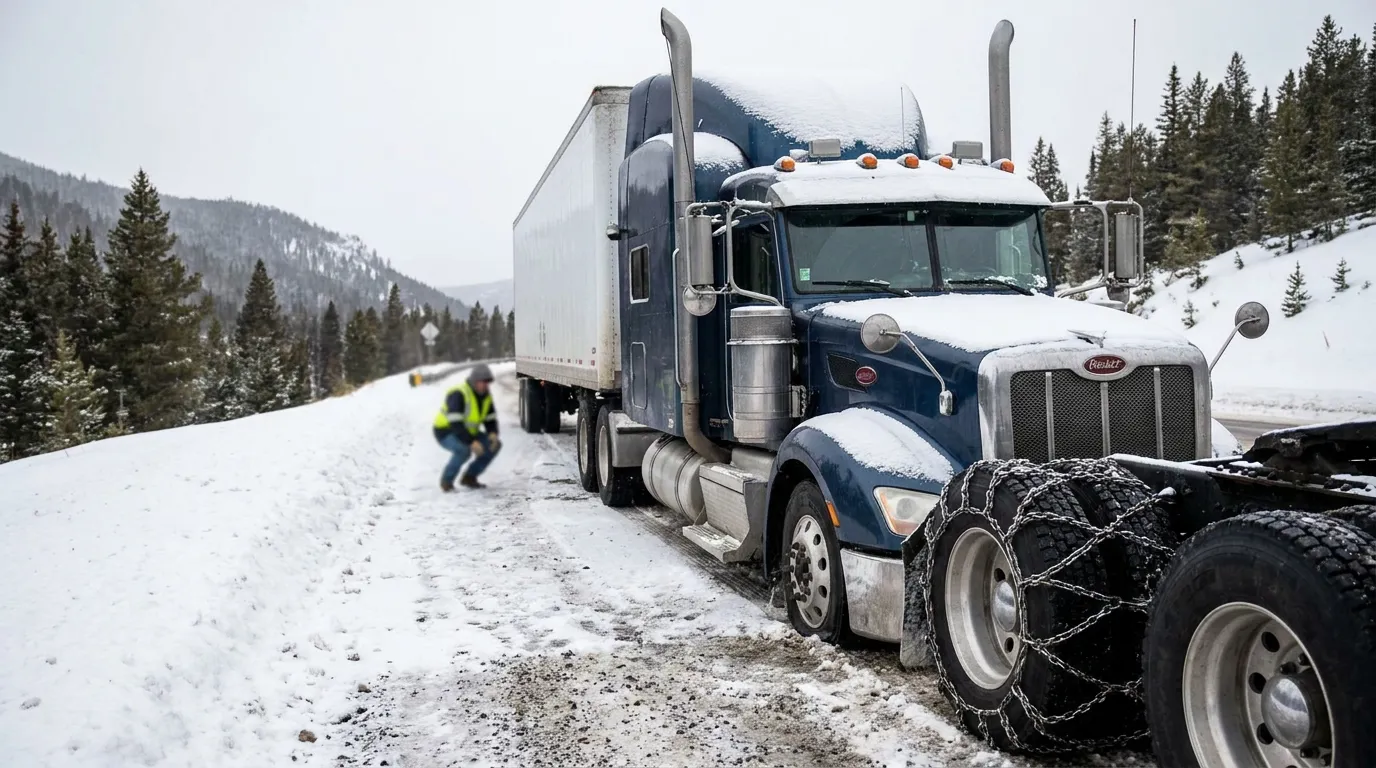
Colorado’s unpredictable weather conditions often create situations where multiple drivers make errors in judgment. For instance, if you’re driving slightly over the speed limit during a snowstorm and another driver runs a red light, hitting you, both parties might share fault. The other driver bears primary responsibility for the traffic violation, but your speed in poor conditions could assign you partial blame. Courts examine whether each driver exercised reasonable care given the circumstances, making weather-related accidents particularly complex for contributory and comparative negligence determinations.
💡 Pro Tip: Always adjust your driving speed and following distance for weather conditions. Colorado courts expect drivers to exercise extra caution during adverse weather, regardless of posted speed limits.
Protecting Your Compensation Rights After a Partial-Fault Accident
Even when you bear some responsibility for an accident, several strategies can help protect your right to fair compensation. Working with a Car Accident Attorney in Denver becomes especially important in these cases, as they understand how to present evidence that minimizes your fault percentage while highlighting the other party’s greater responsibility. The difference between being assigned 35% fault versus 45% fault could mean thousands of dollars in your final recovery.
Evidence That Impacts Fault Determination
The types of evidence that most significantly affect fault percentages include surveillance footage, witness statements, vehicle damage patterns, and accident reconstruction analysis. CDOT’s crash data enhancement system, which corrects common errors and normalizes data for engineering analysis, demonstrates how technical details matter in determining fault. Your attorney can request this enhanced data to support your case, especially when challenging an insurance company’s fault assessment.
💡 Pro Tip: If possible, photograph skid marks, traffic signals, road conditions, and vehicle positions before they’re altered. These details often prove crucial in accident reconstruction.
Frequently Asked Questions
Common Questions About Partial Fault and Compensation
Understanding your rights when you share fault in an accident raises many questions about the legal process and potential outcomes.
💡 Pro Tip: Write down all your questions before meeting with an attorney. Partial fault cases involve numerous details that are easy to forget in the stress of consultation.
Next Steps After a Partial-Fault Accident
Taking the right actions immediately after an accident where you might share fault can significantly impact your ability to recover fair compensation.
💡 Pro Tip: Contact an attorney before giving any recorded statements to insurance companies. Your words can be used to increase your fault percentage.
1. Can I still sue if I’m 40% at fault for a car accident in Colorado?
Yes, you can absolutely pursue a lawsuit if you’re 40% at fault. Colorado’s modified comparative negligence law allows recovery as long as you’re less than 50% at fault. Your damages will be reduced by your fault percentage, so if you have $100,000 in damages at 40% fault, you could recover $60,000.
2. How do insurance companies determine fault percentages in Centennial car accidents?
Insurance companies analyze police reports, witness statements, traffic laws, vehicle damage, and sometimes hire accident reconstruction experts. They examine factors like traffic violations, speed, road conditions, and driver actions. Each company might reach different conclusions, which is why having your own legal representation is crucial.
3. What happens if the other driver and I are equally at fault (50/50) in Colorado?
In Colorado, if you’re found exactly 50% at fault, you cannot recover damages from the other party. This is why the distinction between 49% and 50% fault is critical. The state’s modified comparative negligence rule bars recovery for anyone 50% or more at fault.
4. How long do I have to file a claim if I’m partially at fault for an accident?
Colorado’s statute of limitations for car accident claims is generally three years from the date of the accident, regardless of fault percentages. However, you should act quickly to preserve evidence and witness testimony that could help minimize your fault percentage.
5. Will my partial fault affect my ability to claim all types of damages?
Your partial fault reduces all damages proportionally, including medical expenses, lost wages, property damage, and pain and suffering. However, you can still claim all these damage types—they’ll just be reduced by your fault percentage. Colorado law ensures fair compensation even for partially at-fault victims.
Work with a Trusted Car Accidents Lawyer
When you’re facing a partial-fault accident claim, the complexity of proving fault percentages and calculating reduced damages demands experienced legal guidance. The attorney at Jacobs Law understand Colorado’s comparative negligence laws and have successfully helped numerous clients maximize their recovery even when bearing partial responsibility. Don’t let your partial fault prevent you from seeking the compensation you deserve for your injuries and losses. Colorado law protects your right to recover damages, and with proper legal representation, you can ensure that fault is fairly assigned and your compensation accurately reflects your actual losses.
Ready to tackle those complex fault lines and get the compensation you deserve? At Jacobs Law, we’ve got your back on navigating Colorado’s fault rules. Dial 303-529-4040 or contact us today to start turning the tide in your favor!