When High Seat Belt Compliance Meets Truck Accident Reality
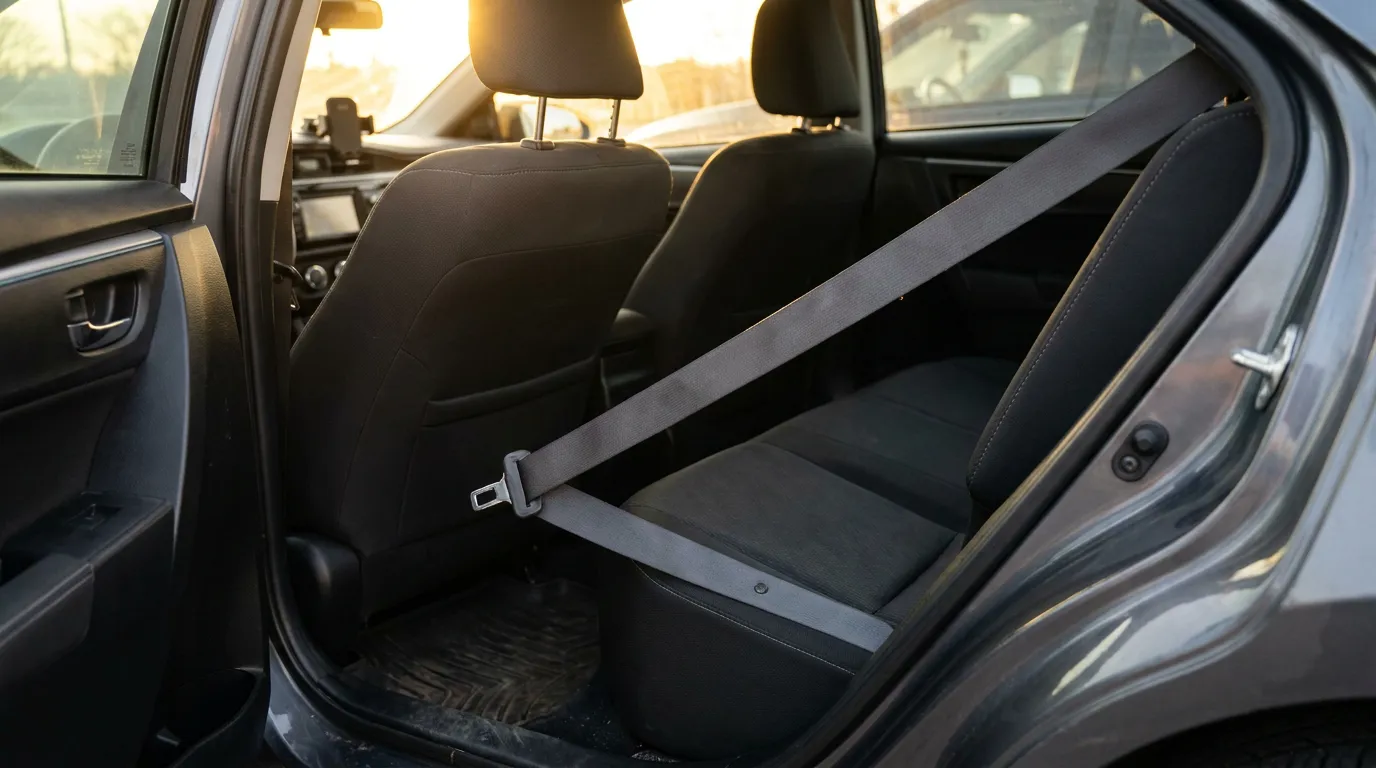
Arapahoe County boasts an impressive 94.58% seat belt usage rate—significantly higher than Colorado’s 88% statewide average—yet truck accidents continue to devastate families across the region. While this compliance rate represents thousands of lives potentially saved, the unique dynamics of truck crashes mean that even properly buckled passengers can face catastrophic injuries when sharing the road with 80,000-pound commercial vehicles. If you’ve been involved in a truck accident despite wearing your seat belt, you’re experiencing firsthand how even the best safety precautions can’t always prevent serious injuries when physics and massive weight differentials collide on Colorado highways.
💡 Pro Tip: Document your seat belt use immediately after any truck accident—insurance companies may try to claim you weren’t buckled despite Arapahoe County’s high compliance rates.
When the road tosses unexpected challenges your way, Jacobs Law is here to transform adversity into action. Don’t let seat belt compliance statistics cloud your path to justice. Reach out today at 303-529-4040 or contact us to steer your case toward resolution with seasoned guidance.

Your Legal Rights as a Truck Accident Lawyer in Denver Explains Them
Colorado’s seat belt laws create a complex legal landscape for truck accident victims. While the state operates under secondary enforcement for adults—meaning officers can’t pull you over solely for not wearing a seat belt—this changes dramatically for teens under the Graduated Drivers Licensing law and children under the Child Passenger Safety law, both of which allow primary enforcement. More importantly, Colorado follows a modified comparative negligence rule, which means your compensation could be reduced if you weren’t wearing a seat belt, even in cases where the truck driver was primarily at fault. A truck accident lawyer in Denver regularly sees how insurance companies attempt to use seat belt non-compliance as a weapon against injured victims, despite the fact that proper restraint use wouldn’t have prevented many truck-crash injuries.
The Federal Motor Carrier Safety Administration’s crash statistics portal reveals that driver restraint usage plays a significant role in large truck and bus crash outcomes. The data, updated through October 2025, shows distinct patterns in injury severity based on restraint use across different vehicle configurations and crash types. Understanding these patterns becomes crucial when building your case, as commercial trucking companies often have teams of investigators who will scrutinize every detail of your vehicle safety compliance.
💡 Pro Tip: Colorado’s secondary enforcement law for adults doesn’t prevent insurance companies from investigating your seat belt use—they often obtain this information through accident reports, witness statements, or vehicle damage patterns.
What to Expect: Your Truck Accident Case Timeline
Understanding the timeline of a truck accident case helps manage expectations and ensures you don’t miss critical deadlines. Colorado’s statute of limitations gives you three years to file a personal injury lawsuit, but waiting that long can severely damage your case. The most successful truck accident cases follow a strategic timeline that balances thorough investigation with prompt action, especially considering that trucking companies are only required to maintain certain records for limited periods.
- First 24-72 hours: Trucking company investigators arrive at the scene, often before victims leave the hospital—this is when critical evidence can disappear if not preserved
- Week 1-2: Electronic logging device data must be preserved before the 30-day automatic deletion cycle common in many commercial trucks
- Month 1-3: Medical treatment establishes the full extent of injuries, while investigators analyze the FMCSA’s Motor Carrier Management Information System data (which remains preliminary for 22 months)
- Month 3-6: Depositions reveal driver history, company safety violations, and maintenance records that could strengthen your case
- Month 6-18: Settlement negotiations intensify as both sides evaluate the strength of evidence and potential trial outcomes
💡 Pro Tip: Don’t wait for your injuries to fully heal before contacting an attorney—trucking companies are required to keep driver logs for only 6 months and maintenance records for just one year.
Finding Resolution When Seat Belts Weren’t Enough Protection
Despite Arapahoe County’s impressive seat belt compliance, the reality remains that seat belts alone cannot prevent all truck accident injuries. The massive weight differential—a fully loaded semi can weigh 20 times more than your car—means that even properly restrained occupants face severe injury risks. Colorado seat belt usage increases 7% since 2014, yet truck accident severity continues to challenge victims and their families. Jacobs Law understands these unique dynamics and works with accident reconstruction experts who can demonstrate how your injuries occurred despite proper safety precautions. A skilled truck accident lawyer in Denver knows that proving seat belt use becomes just one element in a comprehensive strategy that addresses vehicle dynamics, crash forces, and occupant kinematics.
The path to resolution often involves negotiating with multiple insurance companies, federal trucking regulations, and complex liability issues that go beyond simple seat belt compliance. Commercial trucking insurance policies typically carry much higher limits than standard auto policies, but accessing this coverage requires understanding how to counter defensive strategies that focus on victim behavior rather than trucker negligence.
💡 Pro Tip: Keep your seat belt buckled until emergency responders arrive and document its position—some modern vehicles record seat belt usage data that can support your case.
How Truck Configuration Impacts Crash Severity Despite Safety Measures
Large Truck and Bus Crash Statistics from the FMCSA reveal that vehicle configuration plays a crucial role in determining crash outcomes, often overriding the protective benefits of seat belt use. Understanding these dynamics helps explain why Arapahoe County’s high seat belt compliance doesn’t eliminate severe truck accident injuries. The portal’s analysis tools, including the Safety Event Mapping Tool that provides county-level crash data, show distinct patterns based on truck type, load configuration, and impact angles. Working with a truck accident lawyer in Denver who understands these technical aspects can significantly strengthen your case by demonstrating that your injuries resulted from factors beyond simple seat belt use.
Critical Factors Beyond Seat Belt Usage
The physics of truck crashes involve multiple variables that seat belts cannot address. Underride crashes, where smaller vehicles slide beneath truck trailers, can cause catastrophic injuries even with perfect seat belt compliance. Similarly, jackknife accidents create unpredictable crash dynamics that standard vehicle safety systems aren’t designed to handle. Pickup truck occupants, despite buckling up 11% more since 2014, still face unique risks due to their higher center of gravity and different crumple zone designs compared to passenger cars. These configuration-specific risks mean that proving negligence requires expertise beyond simple traffic law violations.
💡 Pro Tip: Request the truck’s "black box" data immediately—it records crucial information about speed, braking, and driver actions that disappear after a set number of engine hours.
The Economic Reality of Truck Accidents in High-Compliance Counties
Arapahoe County’s 94.58% seat belt usage rate represents one of the highest in Colorado, yet the economic impact of truck accidents remains staggering. The disparity between general traffic safety improvements and truck accident outcomes highlights a critical gap in how we measure road safety success. Through August 2024, Colorado saw 122 unbuckled traffic deaths—a decrease of about 15.9% from 145 unbuckled deaths in the same period the previous year—but this statistic doesn’t capture the full story of truck accident victims who were properly restrained yet still suffered life-altering injuries. An experienced Denver truck accident lawyer Centennial understands that high seat belt compliance in Arapahoe County actually strengthens injury claims by eliminating comparative negligence arguments.
Hidden Costs Despite Safety Compliance
The true economic impact extends far beyond immediate medical bills. Victims who followed all safety protocols, including proper seat belt use that aligns with Arapahoe County’s high compliance standards, often face unexpected financial burdens. Lost wages during extended recovery periods, ongoing rehabilitation costs, and vehicle replacement expenses accumulate rapidly. The FMCSA’s crash data analysis capabilities, which include sorting by urban versus rural incidents and time of day, help establish patterns that support higher compensation demands. Centennial residents traveling on I-25 during peak hours face particular risks that standard insurance calculations often undervalue. Choosing a Centennial Colorado truck accident lawyer who understands these local dynamics ensures your claim reflects the true economic impact rather than generic insurance formulas.
💡 Pro Tip: Track all indirect costs from day one—parking fees at medical appointments, medication copays, and mileage to treatment facilities add up to thousands in recoverable damages.
Frequently Asked Questions
Common Legal Concerns About Seat Belt Use in Truck Accidents
Understanding how seat belt usage affects your truck accident claim helps you make informed decisions about legal representation and case strategy. These questions address the most common concerns victims face when high safety compliance meets devastating truck crash realities.
💡 Pro Tip: Always answer questions about seat belt use truthfully—modern vehicle technology and witness accounts make false claims easily discoverable and damage credibility.
Next Steps After Your Truck Accident
Taking the right steps immediately after your accident protects both your health and your legal rights. Understanding the process helps reduce anxiety and ensures you don’t inadvertently harm your case through well-meaning but misguided actions.
💡 Pro Tip: Create a dedicated email folder for all truck accident communications—organizing documents from day one simplifies the legal process and strengthens your case.
1. Can I still recover damages if I was wearing my seat belt but still got seriously injured in a truck accident?
Yes, absolutely. Seat belts cannot prevent all injuries in truck accidents due to the massive size and weight differences between commercial trucks and passenger vehicles. Colorado law recognizes that proper safety equipment use doesn’t eliminate the truck driver’s liability for negligent driving. In fact, your seat belt use strengthens your case by demonstrating responsible behavior and eliminating potential comparative negligence claims.
2. How does Arapahoe County’s 94.58% seat belt compliance rate affect my truck accident lawsuit?
The high compliance rate actually works in your favor by establishing a community standard of safety consciousness. Insurance companies have a harder time arguing that you were likely unbuckled when statistics show nearly 95% of county residents consistently wear seat belts. Your Arapahoe County truck accident lawyer can use this data to support your credibility and counter any attempts to shift blame for your injuries.
3. What if the police report doesn’t specifically mention I was wearing my seat belt?
Don’t panic—police reports often omit details that seem obvious at the scene. Your attorney can gather supporting evidence including vehicle damage patterns, injury locations, witness statements, and modern vehicle data recorders that track seat belt usage. The absence of a specific mention doesn’t mean you weren’t buckled, especially given Arapahoe County’s high compliance rates.
4. How long does a Colorado truck accident lawsuit typically take to resolve?
Most truck accident cases settle within 12-18 months, though complex cases involving severe injuries or multiple liable parties can take 2-3 years. Cases move faster when you hire an experienced truck accident attorney early, as they can preserve evidence and build your case efficiently. Federal trucking regulations create strict timelines for record retention, making prompt action essential for accessing critical evidence.
5. Should I accept the trucking company’s initial settlement offer even though I was properly buckled?
Never accept an initial offer without legal representation, regardless of your seat belt use. Trucking companies and their insurers often make quick, lowball offers hoping victims don’t understand the full value of their claims. An experienced I-25 truck accident attorney Centennial can evaluate whether the offer reflects the true extent of your damages, including future medical needs and lost earning capacity that may not be immediately apparent.
Work with a Trusted Truck Accident Lawyer
When seat belts aren’t enough to prevent serious injuries in truck accidents, you need legal representation that understands both the technical aspects of crash dynamics and the human impact of your injuries. Colorado truck accident compensation Centennial cases require attorney who can effectively counter arguments about safety compliance while focusing on the truck driver’s negligence and the trucking company’s liability. The complexity of federal regulations, multiple insurance policies, and corporate legal teams demands experienced representation from the start. Don’t let high county seat belt statistics minimize your right to full compensation—contact a knowledgeable attorney who can demonstrate why your injuries occurred despite taking all proper safety precautions.
Secure your legal footing with Jacobs Law as truck accidents cast a long shadow over Arapahoe County’s high seat belt compliance. Let us help guide your journey to justice—call us at 303-529-4040 or contact us today and steer your case towards resolution.