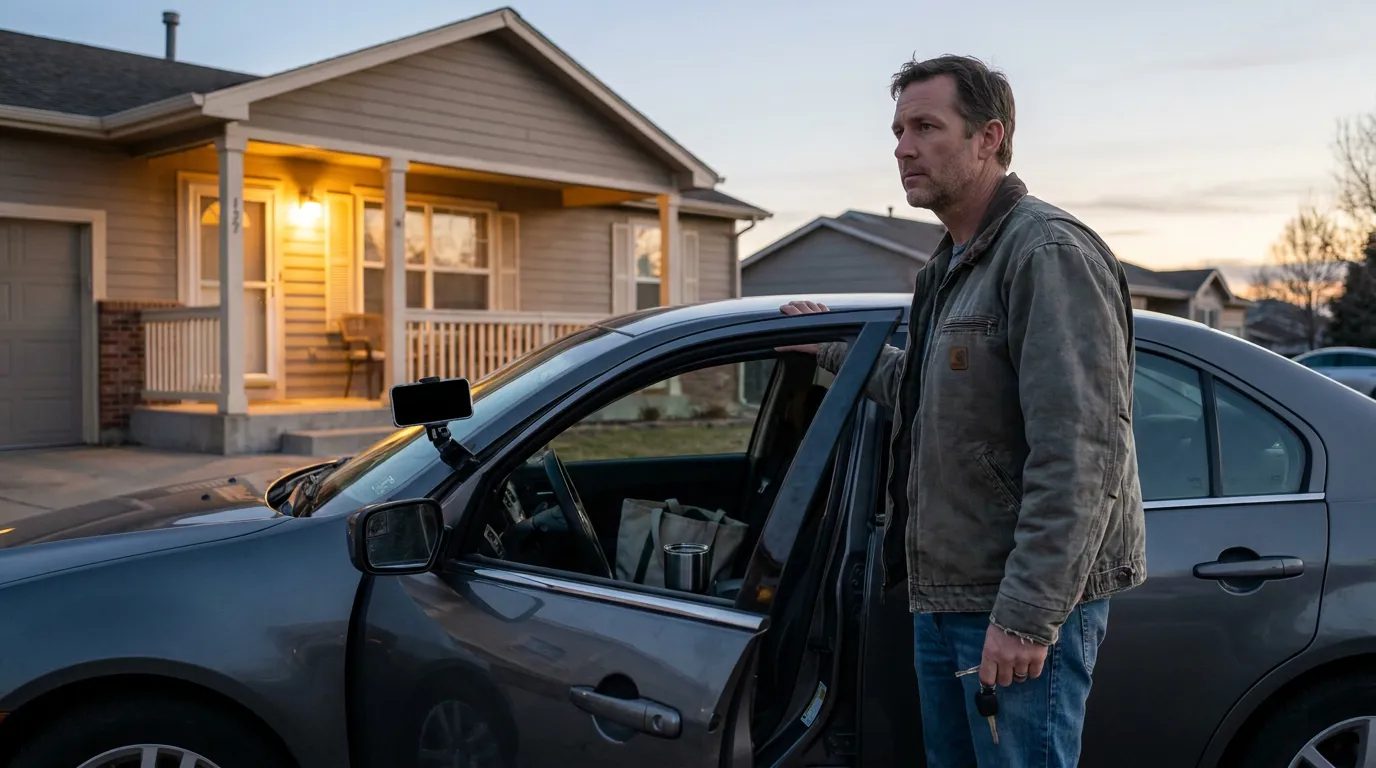
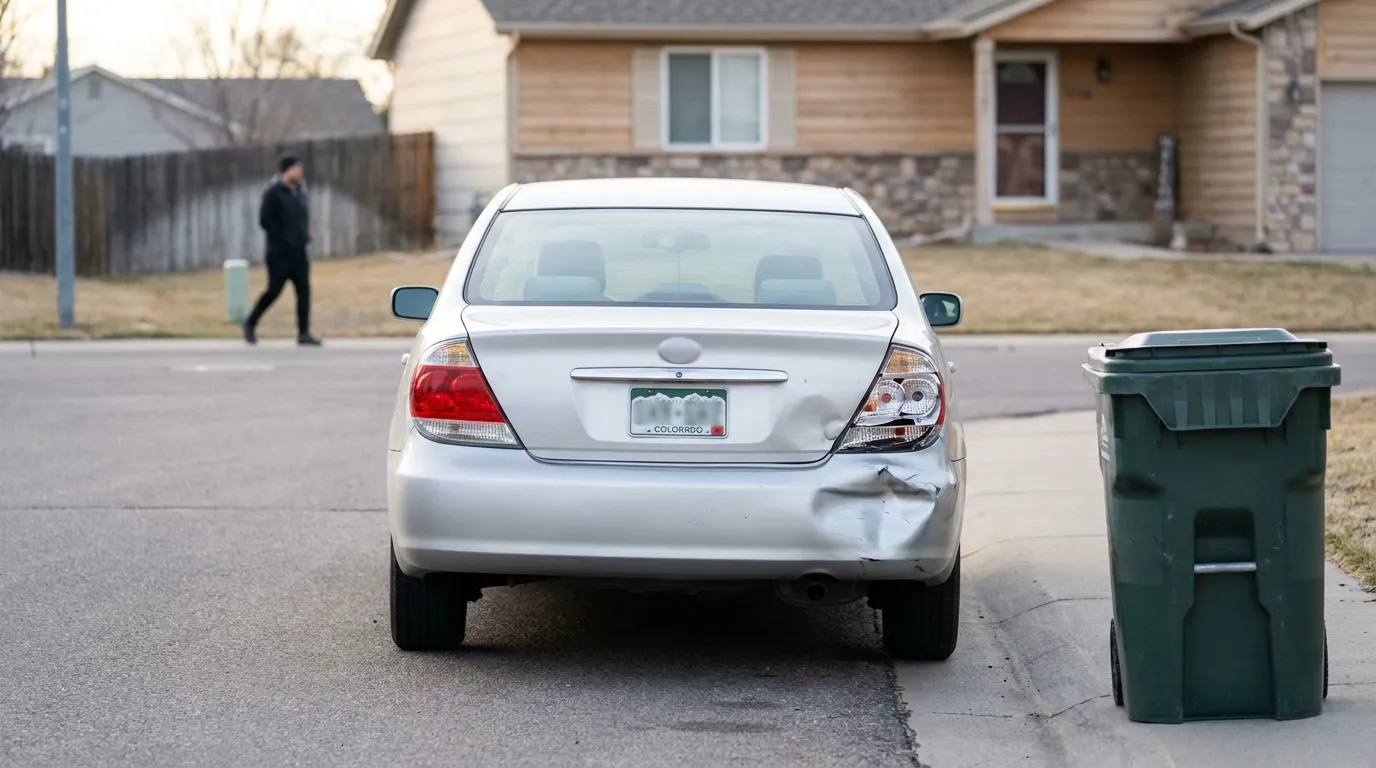
Colorado operates under a fault-based auto insurance system, meaning the driver who caused a collision is financially responsible for resulting injuries and property damage. If you were hurt in a Centennial crash, this system gives you the right to pursue compensation directly from the at-fault driver or their insurer. Understanding how fault-based insurance works can significantly impact your claim approach, evidence gathering, and potential recovery.
If you were recently injured in a Centennial car accident, Jacobs Law is ready to help. Call 303-529-4040 or reach out online to discuss your case today.
How Fault-Based Insurance Works in Colorado
Colorado’s liability coverage system requires the at-fault driver’s insurance to pay for damages they cause. According to the Colorado Division of Insurance, this coverage pays bodily injury damages and property damage when the policyholder is at fault. Unlike no-fault states where each driver’s policy covers their losses regardless of blame, Colorado places the financial burden on the negligent party.
The state mandates minimum liability limits of 25/50/15. Every driver must carry at least $25,000 per person for bodily injury, $50,000 per accident for bodily injury, and $15,000 for property damage. These minimums often fall short of covering serious injuries, making it crucial to understand both your policy and the at-fault driver’s coverage when pursuing a claim.
The Division of Insurance does not determine liability or make coverage decisions. Those determinations rest with insurance companies, meaning fault disputes are resolved between insurers or through litigation. Many injured drivers mistakenly believe a state agency will settle the matter.
💡 Pro Tip: Request a copy of the police report immediately after your accident. The responding officer’s findings about traffic violations and contributing factors serve as critical early evidence when proving fault.
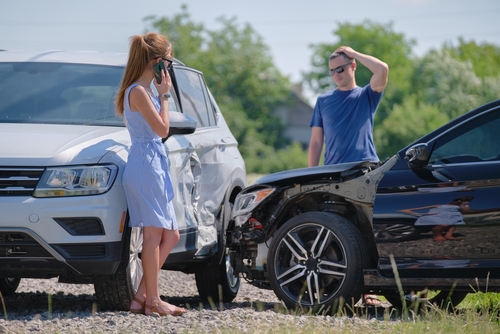
Car Accident Attorney in Denver: Why Fault Determination Matters for Your Claim
Proving negligence is the foundation of every fault-based car accident claim in Colorado. You must establish that the other driver owed you a duty of care, breached that duty, and directly caused your injuries. Police reports, witness statements, medical records, photographs, and traffic camera footage all play crucial roles in building your case.
Colorado follows a modified comparative negligence rule under C.R.S. § 13-21-111, which can reduce or eliminate your recovery. Your compensation is reduced by your percentage of fault. If your negligence equals or exceeds the other party’s negligence, you are barred from recovering damages entirely. Insurance adjusters frequently try to shift blame onto claimants to reduce payouts. You can learn more about Colorado’s comparative negligence rule and how it applies to car crashes.
An experienced car accident attorney in Denver can counter these tactics. When insurers offer lowball settlements or dispute liability, legal representation levels the playing field. A car accident lawyer in Centennial Colorado who understands local courts and Colorado negligence law can negotiate effectively or take the case to trial if necessary.
💡 Pro Tip: Never accept a quick settlement before fully understanding your injuries. Soft tissue damage or traumatic brain injuries may not become apparent for weeks or months after the collision.
Understanding Your Insurance Coverage Options in Centennial
Beyond liability coverage, Colorado offers several additional coverage types that protect you after a crash. Knowing what your policy includes can determine whether you face out-of-pocket costs when the other driver is uninsured or underinsured.
| Coverage Type | What It Covers | Required? |
|---|---|---|
| Liability (25/50/15) | Bodily injury and property damage you cause to others | Yes |
| Uninsured/Underinsured Motorist (UM/UIM) | Your injuries caused by a hit-and-run, uninsured, or underinsured driver | No, but included unless rejected in writing |
| Medical Payments ($5,000) | Health care expenses for you and passengers regardless of fault | No, but included unless rejected in writing |
Uninsured and underinsured motorist coverage deserves special attention. An estimated 15 to 20 percent of drivers carry no insurance. UM/UIM coverage pays for your bodily injury losses when the at-fault driver has no policy or insufficient coverage. Colorado law includes this coverage by default unless you reject it in writing, so check your declarations page.
Medical payments coverage provides a no-fault safety net within Colorado’s fault-based system. This coverage pays up to $5,000 for reasonable health care expenses for you and passengers regardless of who caused the accident. It is included by default unless you opt out, providing valuable coverage while waiting for a liability claim to resolve.
💡 Pro Tip: Even with UM/UIM coverage, document the at-fault driver’s information thoroughly at the scene. Your insurer will need to verify the other driver was uninsured or underinsured before benefits apply.
Recent Changes to Colorado Damages Caps That Affect Your Claim
Colorado recently overhauled its damages caps, significantly expanding compensation available to injured individuals. House Bill 24-1472, signed by Governor Polis on June 3, 2024, made several important changes effective January 1, 2025, directly impacting Centennial car accident claims.
The cap on noneconomic damages in civil tort actions increased to $1.5 million. Previously, the inflation-adjusted cap stood at approximately $729,790. The new law eliminated the enhanced cap provision and replaced it with a single $1.5 million limit. Noneconomic damages cover pain and suffering, emotional distress, loss of enjoyment of life, and similar harms. Starting January 1, 2028, and every two years thereafter, this cap will adjust for inflation. Victims of serious Centennial crashes may now pursue significantly higher compensation.
The same legislation imposed a wrongful death damages cap of $2.125 million with biennial inflation adjustments beginning in 2028. For families who lose loved ones in fatal car accidents, this represents a substantial increase. The legislation also expanded standing for wrongful death actions by allowing siblings to bring claims in certain circumstances.
💡 Pro Tip: Because damages caps now include inflation adjustments, claim timing can affect maximum compensation. Acting promptly helps ensure you benefit from current cap levels and preserves critical evidence.
How Centennial Drivers Can Protect Their Rights After a Crash
Steps you take immediately after an accident can shape your entire claim outcome. Colorado’s fault-based system rewards thorough documentation and quick action, including meeting the 60-day DMV deadline for reporting certain crashes. Consider these steps:
- Call 911 and obtain a police report, even for minor collisions
- Photograph vehicle damage, road conditions, traffic signals, skid marks, and visible injuries
- Collect contact and insurance information from all drivers and witnesses
- Seek medical attention within 24 to 48 hours, even if you feel fine
- Avoid posting about the accident on social media
Colorado’s statute of limitations sets a strict deadline for filing a personal injury lawsuit. Generally, you have three years from the accident date to file suit under CRS § 13-80-101. Missing this deadline can permanently bar your claim. Courts interpret tolling exceptions narrowly, so do not assume circumstances will automatically extend your filing window.
For those dealing with unclear fault or disputed liability, learning how Colorado’s at-fault law applies to Centennial crashes can help you understand what to expect.
💡 Pro Tip: Keep a dedicated folder with all accident-related documents including medical bills, repair estimates, insurer correspondence, and notes about how injuries affect daily life. This organized record significantly strengthens your negotiation position.
What to Do When an Insurer Disputes Fault in Your Centennial Accident
Insurance companies have a financial incentive to minimize or deny your claim. Common tactics include disputing injury severity, arguing you were partially at fault, delaying responses, and offering settlements far below your losses’ true value.
You have the right to challenge an insurer’s fault determination. Independent evidence such as accident reconstruction analysis, surveillance footage, and medical professional testimony can contradict the insurer’s narrative. Building a strong evidentiary record is essential.
Remember that Colorado’s modified comparative negligence system means partial fault does not necessarily eliminate your claim. If you are 20 percent at fault, your recovery would be reduced by 20 percent rather than denied. The key threshold is that your negligence must be less than the other party’s to preserve your right to compensation.
Frequently Asked Questions
1. What does it mean that Colorado is a fault state for car accidents?
The driver who caused the accident is responsible for paying damages. Colorado’s liability insurance system requires the at-fault driver’s policy to cover bodily injury and property damage. If the at-fault driver’s coverage is insufficient, you may need your own UM/UIM or MedPay coverage.
2. How do I prove fault in a Centennial car accident?
You must establish negligence by showing the other driver owed a duty of care, breached that duty, and caused your injuries. Evidence includes police reports, eyewitness accounts, photographs, traffic camera footage, and medical records. An attorney can also retain accident reconstruction professionals for complex collisions.
3. What if the other driver in my Centennial crash has no insurance?
With 15 to 20 percent of drivers uninsured, this is common. If you carry UM/UIM coverage, your own policy can compensate you for bodily injury losses. Colorado includes UM/UIM coverage by default unless you rejected it in writing.
4. How long do I have to file a car accident lawsuit in Colorado?
Colorado generally allows three years from the injury date to file a personal injury lawsuit under CRS § 13-80-101. Limited exceptions may apply, but courts interpret tolling provisions narrowly. Acting sooner preserves evidence and protects your rights.
5. Can I still recover compensation if I was partially at fault?
Yes, under Colorado’s modified comparative negligence rule, you can recover damages as long as your fault is less than the other party’s. Your compensation will be reduced by your percentage of responsibility. If your negligence equals or exceeds the other party’s, you are barred from recovery.
Taking the Next Step After a Centennial Car Accident
Colorado’s fault-based insurance system places the burden on injured drivers to prove negligence and pursue deserved compensation. From understanding minimum coverage requirements and UM/UIM protections to navigating recent damages cap changes, every detail matters when building a strong claim. Acting quickly preserves both evidence and deadlines.
If you or a loved one were injured in a Centennial or Denver metro area car accident, Jacobs Law can help you understand your rights and fight for full compensation. Call 303-529-4040 or contact us today for a case evaluation.