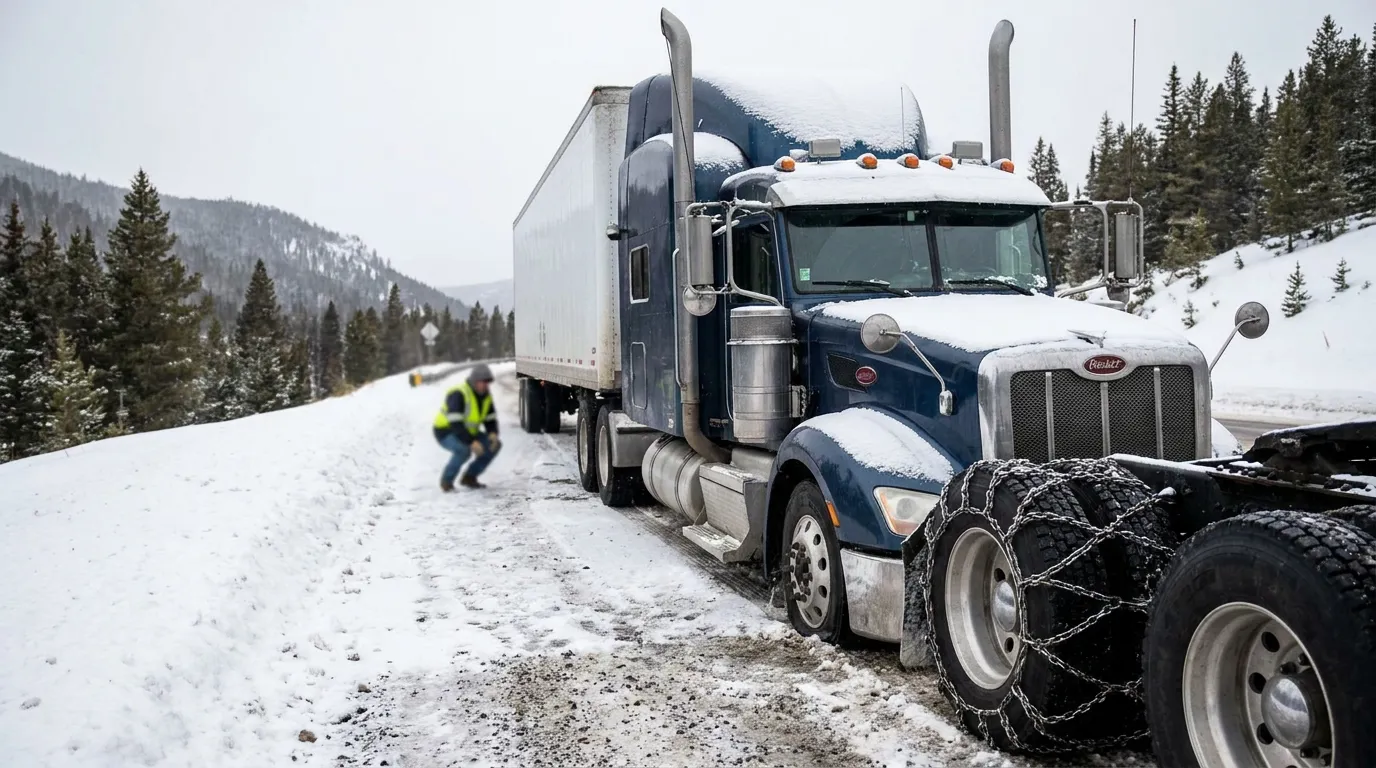
Protecting Your Claim Starts at the Crash Site in Centennial
Key Takeaways: Knowing how to document a car accident scene in Centennial, Colorado can make or break your injury claim, since fault is built from evidence collected over time. The most reliable proof combines wide and close-up crash photos, driver and witness contact details, images of road and weather conditions, and the responding officer’s report number. Colorado law under C.R.S. § 42-4-1603 and § 42-4-1606 requires drivers to stop, exchange information, render aid, and report qualifying accidents. Because Colorado follows modified comparative negligence, recovering damages depends on staying under 50% fault, making thorough documentation essential. Acting quickly to preserve details and avoiding mistakes like apologizing or delaying medical care strengthens your position before evidence fades.
Knowing how to document a car accident scene can shape the outcome of your entire injury claim. The moments right after a collision are chaotic, yet the evidence you gather determines whether an insurer takes your case seriously or tries to undervalue it. In Centennial, where local roads carry heavy traffic, thorough documentation provides a stronger foundation to pursue compensation.
If you were recently injured and feel overwhelmed, the team at Jacobs Law is ready to help. You can reach our office at 303-529-4040 or through our secure contact page to discuss what happened and how to move forward.
Why Scene Documentation Carries So Much Weight
Documentation matters because fault in Colorado is rarely decided in the heat of the moment. Fault is built from evidence collected over time. The photos, names, and notes you capture immediately after a crash can become the backbone of your claim weeks or months later.
This is especially important under Colorado’s negligence framework. Because compensation can hinge on percentages of fault, the quality of your evidence may directly affect what you can recover. Strong documentation helps counter the common insurer strategy of shifting blame onto injured drivers.
Colorado law also requires specific actions after a crash. Under C.R.S. § 42-4-1603, a driver involved in an accident causing injury, death, or damage must give their name, address, vehicle registration number, show their driver’s license on request, and render reasonable aid to anyone injured. Under C.R.S. § 42-4-1606, drivers must give immediate notice of qualifying accidents to the nearest police authority. Following these duties protects both your safety and legal position.
💡 Pro Tip: Save every receipt tied to the crash, including towing, rideshare trips to medical visits, and prescription costs. These details strengthen the full value of a claim.
Building a Clear Record of the Crash
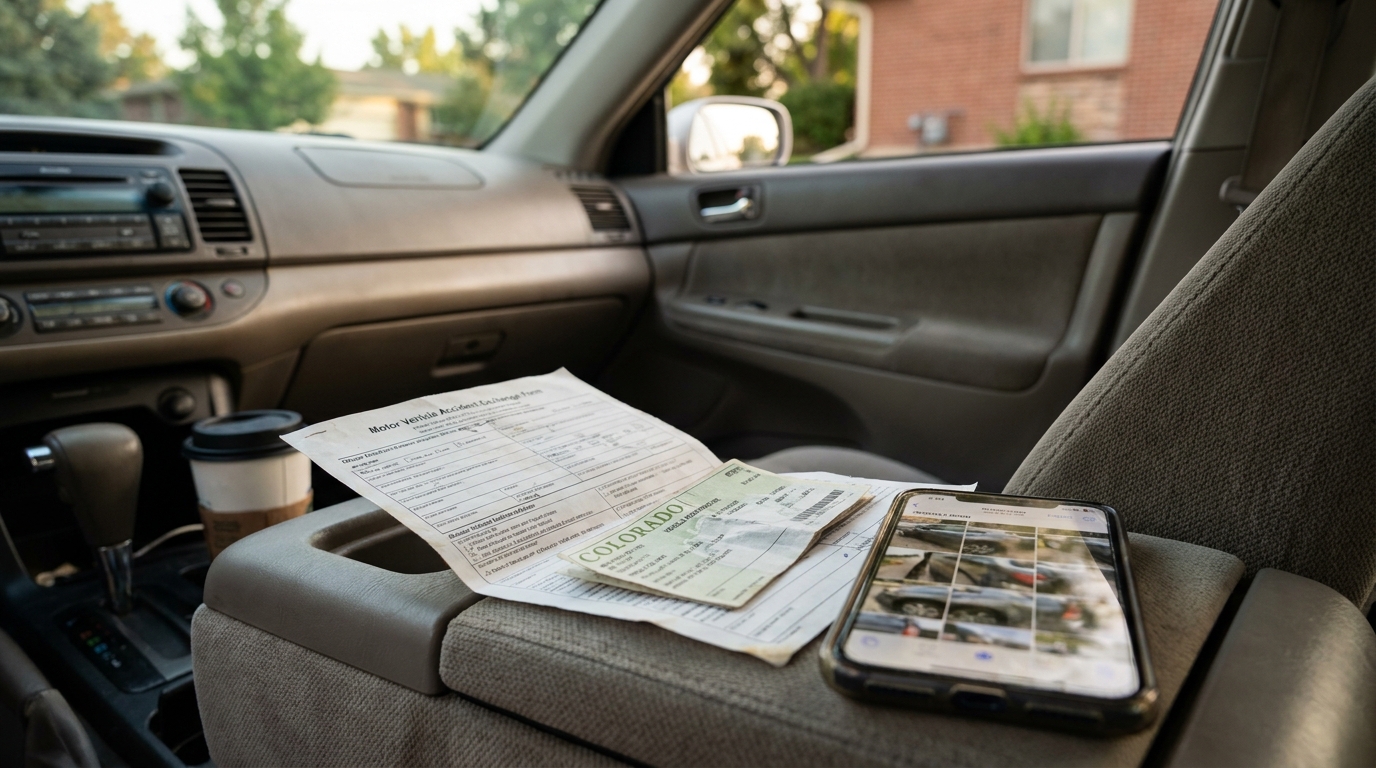
The most useful evidence comes from a combination of sources rather than a single photo or statement. In Colorado car accident claims, evidence commonly used to determine fault includes police reports, photos of vehicle damage, driver and witness statements, traffic laws and road conditions, and medical records. Capturing several categories at once creates a more complete picture.
When you are physically able and it is safe, focus on collecting:
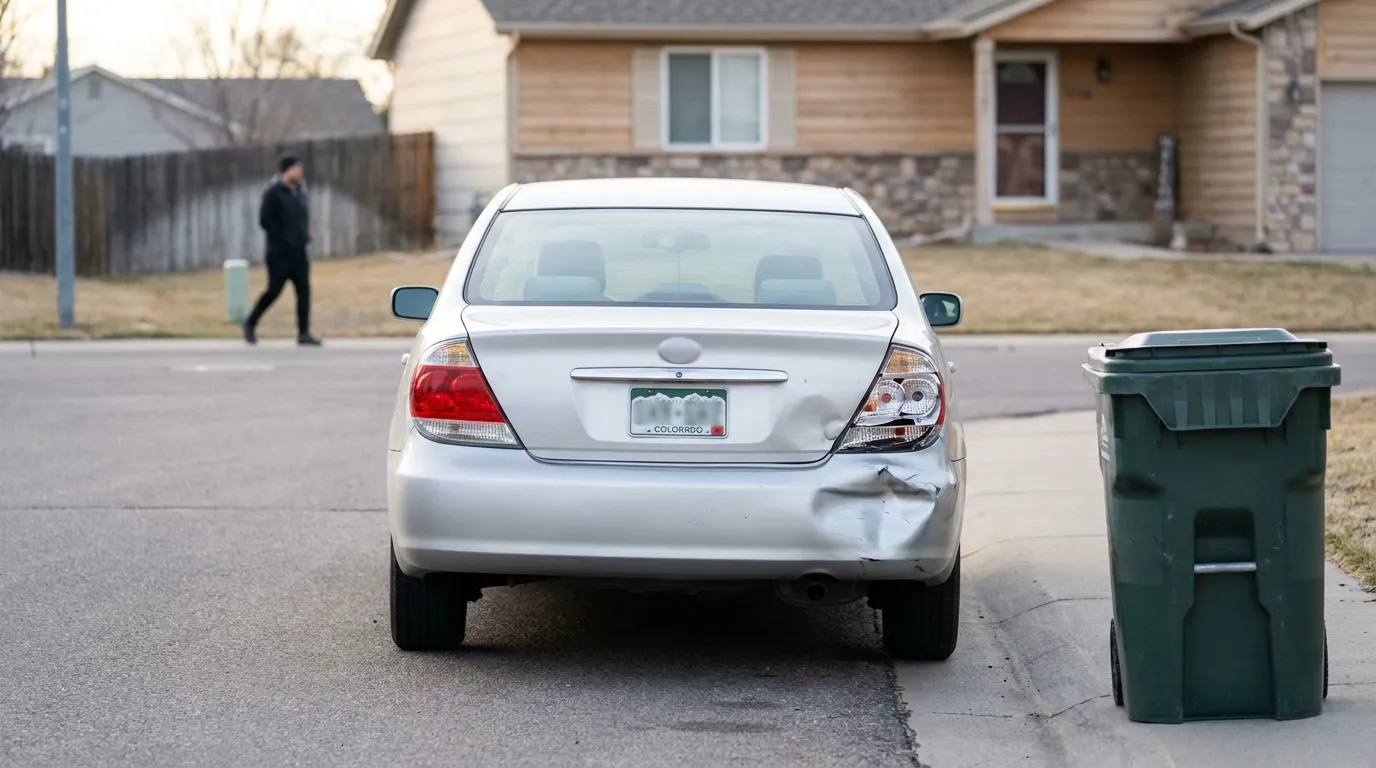
- Wide and close-up car crash photos showing vehicle positions, damage, debris, and skid marks
- Names, phone numbers, and insurance details for every driver involved
- Contact information for witnesses who saw the collision
- Photos of traffic signals, road signs, weather conditions, and lane markings
- The responding officer’s name and report or case number
Each of these items supports a different part of your claim. Photographs preserve conditions that change quickly, while witness contact information lets your attorney follow up before memories fade. For a deeper look at the proof attorney rely on, our guide on how to document car accident Centennial claims explains how each category fits together.
💡 Pro Tip: Use your phone’s video function to narrate a slow walk around the scene. Speaking the date, time, and what you see captures details you might forget under stress.
How a Centennial Car Accident Lawyer Uses Your Evidence
A centennial car accident lawyer takes the raw materials you gather and turns them into a structured case. Photos, witness names, and medical records become more persuasive when organized to establish duty, breach, causation, and damages. Without that structure, even strong evidence can be dismissed by an adjuster.
Experienced counsel can also identify gaps you might miss. They may request surveillance footage, obtain the full crash report, and consult records about road conditions to support a thorough Colorado accident investigation. This is where careful early documentation pays off.
Local knowledge of Centennial roads and Colorado procedures adds further value. A Centennial auto accident attorney understands how regional traffic patterns and reporting practices affect claims. If you are comparing options, learning what a knowledgeable car accident evidence Colorado advocate brings can help you make an informed choice.
💡 Pro Tip: Avoid posting about your accident or injuries on social media. Insurers may review public posts and use them to dispute the severity of your harm.
Colorado’s Fault Rules and Why Your Documentation Matters
Colorado follows a modified comparative negligence rule that can reduce or eliminate recovery based on fault. If you are less than 50% at fault, you may still recover damages, though your recovery is reduced by your percentage of fault. If you are 50% or more at fault, you generally cannot recover damages at all. This threshold makes accurate fault allocation essential.
The broader doctrine of comparative negligence reduces a plaintiff’s recovery by the percentage of fault attributable to them. Thorough scene documentation gives you a better chance of ensuring fault is assessed fairly.
Insurance realities in Colorado add another reason to preserve evidence. Colorado mandates minimum liability coverage of $25,000 per person for bodily injury, $50,000 per accident, and $15,000 for property damage. Liability insurance only covers accidents where the policyholder is at fault, which is why proof of the other driver’s negligence is important. While insurers must offer uninsured and underinsured motorist coverage, drivers may reject it in writing, so you may encounter an at-fault driver with little or no such coverage.
Understanding the Risks on Centennial Roads
Traffic safety statistics provide useful context for why documentation is worth the effort. Colorado has reported a fatality rate of approximately 1.3 deaths per 100 million vehicle miles traveled (1.32 per NHTSA FARS 2023 data), which is slightly above the national average (1.26 in 2023, 1.20 in 2024), and places it near the middle of states in terms of traffic fatality rates at approximately rank 26 out of 51. These numbers reflect real risk on roads many Centennial residents drive daily.
According to the U.S. Department of Transportation, an estimated 36,640 people died in motor vehicle traffic crashes in 2025, a decrease of about 6.7 percent compared to the 39,254 fatalities in 2024. You can review additional figures through the federal national crash statistics database.
💡 Pro Tip: If you are too injured to gather evidence at the scene, ask a passenger, bystander, or family member to take photos and collect names on your behalf.
Common Mistakes That Weaken Accident Claims
Many strong claims are undermined by avoidable errors in the first hours after a crash. Apologizing at the scene, guessing about how the accident happened, or skipping medical care can all be used against you later. Even a short delay in treatment may give an insurer an opening to argue your injuries were not serious.
Failing to preserve evidence quickly is another frequent problem. Vehicle damage gets repaired, skid marks fade, and witnesses become hard to reach. Taking steps to preserve evidence early helps maintain accident scene documentation that holds up during negotiations. When the facts are unclear, this record can make the difference between a denied claim and a fair resolution.
Frequently Asked Questions
- What should I photograph first after a crash in Centennial?
Start with the overall scene showing vehicle positions, then capture close-ups of damage, license plates, and road conditions. Photos of injuries and traffic signs can also help. The goal is to preserve details that may change before an investigation begins.
- Do I have to report every accident to the police?
Under C.R.S. § 42-4-1606, drivers must give immediate notice of accidents involving injury, death, or property damage to the nearest police authority. Reporting is generally wise even in less severe crashes, since an official record supports your version of events.
- Can I still recover damages if I was partly at fault?
Yes, as long as you are less than 50% at fault under Colorado’s modified comparative negligence rule. Your recovery is reduced by your percentage of fault. Because these determinations are fact-specific, outcomes can vary.
- What if the other driver has no insurance?
Because uninsured and underinsured motorist coverage can be rejected in writing in Colorado, you may face an at-fault driver with no coverage. Documenting the scene thoroughly becomes even more important. An attorney can review whether your own policy provides additional protection.
- How soon should I contact a Centennial car accident lawyer?
Reaching out early is beneficial, since evidence and witness memories fade over time. Prompt guidance can help you avoid mistakes that weaken your claim. Specific deadlines apply to injury claims, so timely action matters.
Taking the Next Step Toward Recovery
Careful documentation at the scene is one of the most powerful tools an injured person has in Colorado. From car crash photos and witness details to police reports and medical records, the evidence you preserve shapes how fault is assigned and what you may recover. Because Colorado’s comparative negligence rules and optional coverage gaps can complicate claims, the strength of your records often determines your leverage.
If you have been injured and want experienced guidance on protecting your rights, the dedicated team at Jacobs Law is here to listen. Call us today at 303-529-4040 or reach out through our online contact form to discuss your accident and the next steps. Let a trusted Centennial personal injury lawyer help you pursue the recovery you deserve.