How Are Fault Percentages in a Centennial Car Accident Claim Actually Calculated?
Key Takeaways: In Centennial car accident claims, fault is initially assessed by insurance adjusters, but the binding percentage is ultimately decided by the trier of fact, a jury or judge, under C.R.S. § 13-21-111. Colorado follows modified comparative negligence with a 50% bar: you can recover reduced damages if your fault is less than the defendant’s, but nothing if your fault equals or exceeds theirs. Fault must be expressed as a percentage, and your award is reduced proportionally. Police reports, witness statements, vehicle damage, weather, and traffic-law compliance influence fault determination. In multi-vehicle crashes, courts weigh combined fault of all tortfeasors and designated non-parties. Because the three-year statute of limitations and aggressive insurer tactics can jeopardize recovery, preserving evidence and acting promptly are essential.
If you were recently hurt in a crash, the biggest factor in your recovery is who decides fault percentages and how those numbers are calculated. In Centennial car accident claims, insurance adjusters make initial assessments, but legal authority to assign binding fault percentages rests with the trier of fact, a jury or judge. Understanding this process helps injured parties protect their right to fair compensation.
At Jacobs Law, we help injured Coloradans understand their rights and pursue deserved recovery. Call us at 303-529-4040, visit Jacobs Law, or reach out through our contact page to discuss your situation.

Who Actually Determines Fault in a Colorado Car Accident
The people weighing in on fault change as a claim moves from insurance phase to litigation. Initially, insurance adjusters review police reports, photos, and statements to form liability opinions that drive settlement offers, but these are not legally binding. If your case proceeds to court, Colorado law dictates who has final say.
Colorado statute specifies exactly who decides fault at trial. Under C.R.S. § 13-21-111(2), the court makes findings of fact in nonjury trials, while juries return special verdicts establishing both damages and each party’s negligence in jury trials. When settlement talks fail, a jury or judge, not the insurance company, decides fault.
💡 Pro Tip: Keep every crash-related document, including the officer’s report number, repair estimates, and medical records. Adjusters anchor fault opinions to police reports, so accurate reports matter from day one.
What Does Colorado’s Fault Based System Mean for Centennial Claims
Colorado operates under a traditional at-fault system, which shapes every recovery step. The driver responsible for causing the accident is liable for damages, and that driver’s liability insurer generally pays the claim. Proving the other driver’s negligence is the foundation of your case.
Fault is not all-or-nothing in Colorado. The state follows modified comparative negligence, allowing injured persons to recover even when sharing some blame. To establish negligence, you must show duty, breach, causation, and damages. Strong evidence early gives leverage during negotiations and credibility in court.
How Fault Percentages Affect What You Recover
Once fault is quantified, percentages directly reduce or eliminate compensation. Colorado uses modified comparative negligence with a 50% bar. Under C.R.S. § 13-21-111(1), your negligence doesn’t bar recovery as long as your fault was less than the defendant’s, but damages are reduced proportionally to your share of fault.
Recovery is barred when numbers reach a threshold. Under C.R.S. § 13-21-111(3), if your negligence proportion equals or exceeds the defendant’s, the court enters judgment for the defendant and you recover nothing. Colorado’s approach aligns with over 30 states using modified comparative negligence, a plaintiff-friendlier model than strict contributory negligence.
Here is how shared fault affects outcomes:
|
Your Assigned Fault |
Effect on Recovery |
|---|---|
|
0% |
Full damages, subject to proof |
|
20% |
Damages reduced by 20% |
|
49% |
Damages reduced by 49% |
|
50% or more |
Recovery barred under the statute |
Fault converts into dollars straightforwardly once percentages are set. If a jury values your damages at a certain amount and assigns you blame, your award is reduced by that proportion. Colorado’s modified comparative fault rule helps you anticipate how adjusters or juries might view your role.
💡 Pro Tip: Be careful with statements to the other driver’s insurer. Recorded statements sounding like apologies can push your fault percentage higher, directly shrinking potential recovery.
How Fault Is Quantified and What Influences the Numbers
Colorado law requires fault expressed in concrete numbers, not vague conclusions. Under C.R.S. § 13-21-111(2)(b), special verdicts must state each party’s negligence degree as a percentage. That requirement drives every fault allocation in Centennial cases, with full statutory language in Colorado Revised Statutes Section 13-21-111.
Multi-vehicle crashes add complexity to fault analysis. In accidents involving several drivers, Colorado courts compare the plaintiff’s fault against combined fault of all tortfeasors, including designated non-parties, when deciding whether the 50% bar applies. The Colorado Supreme Court recognizes that plaintiffs may recover if combined fault of all named tortfeasors and designated non-parties exceeds the plaintiff’s fault.
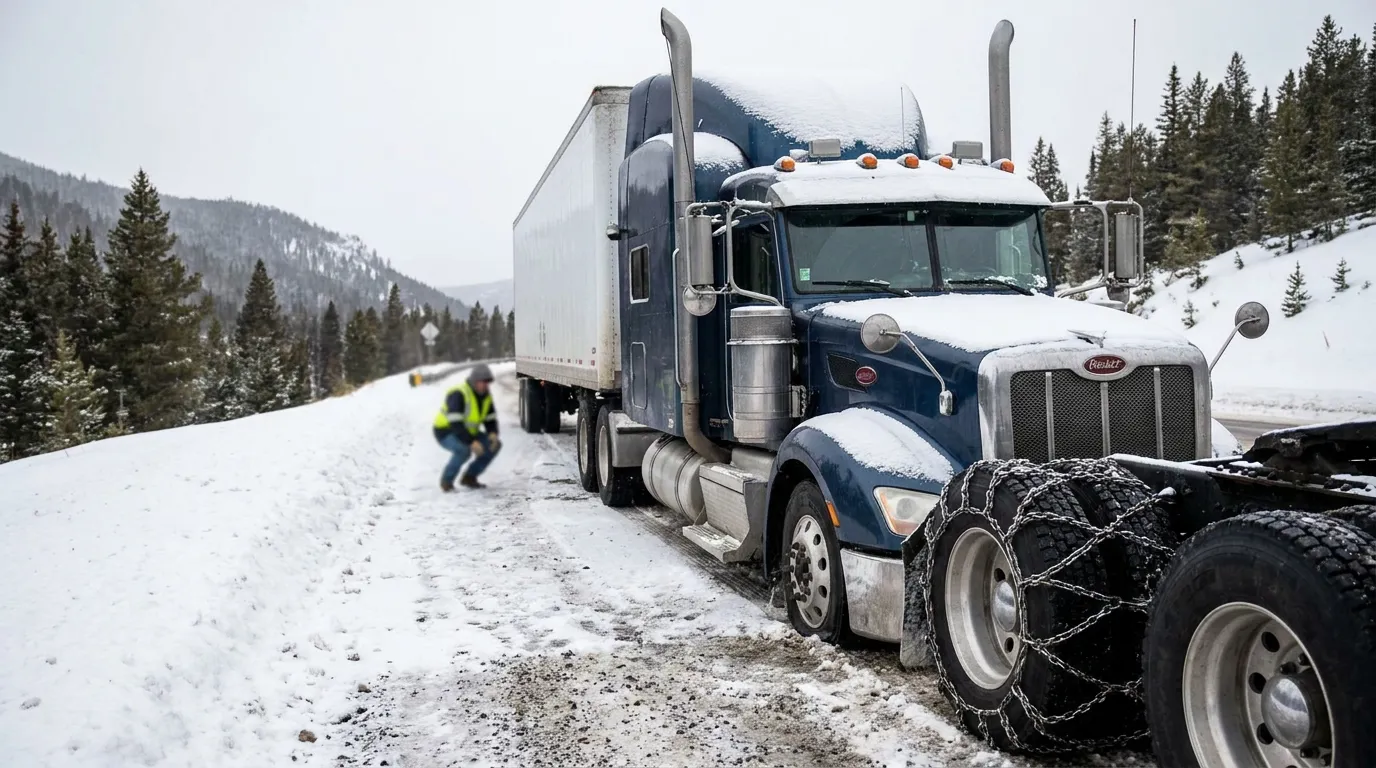
Local conditions can shift how investigators view crashes. Icy or snowy mountain-highway crashes may be weighed differently than dry-weather accidents. Several factors shape fault determination:
-
Police report findings and citations issued
-
Witness statements and traffic camera or dashcam footage
-
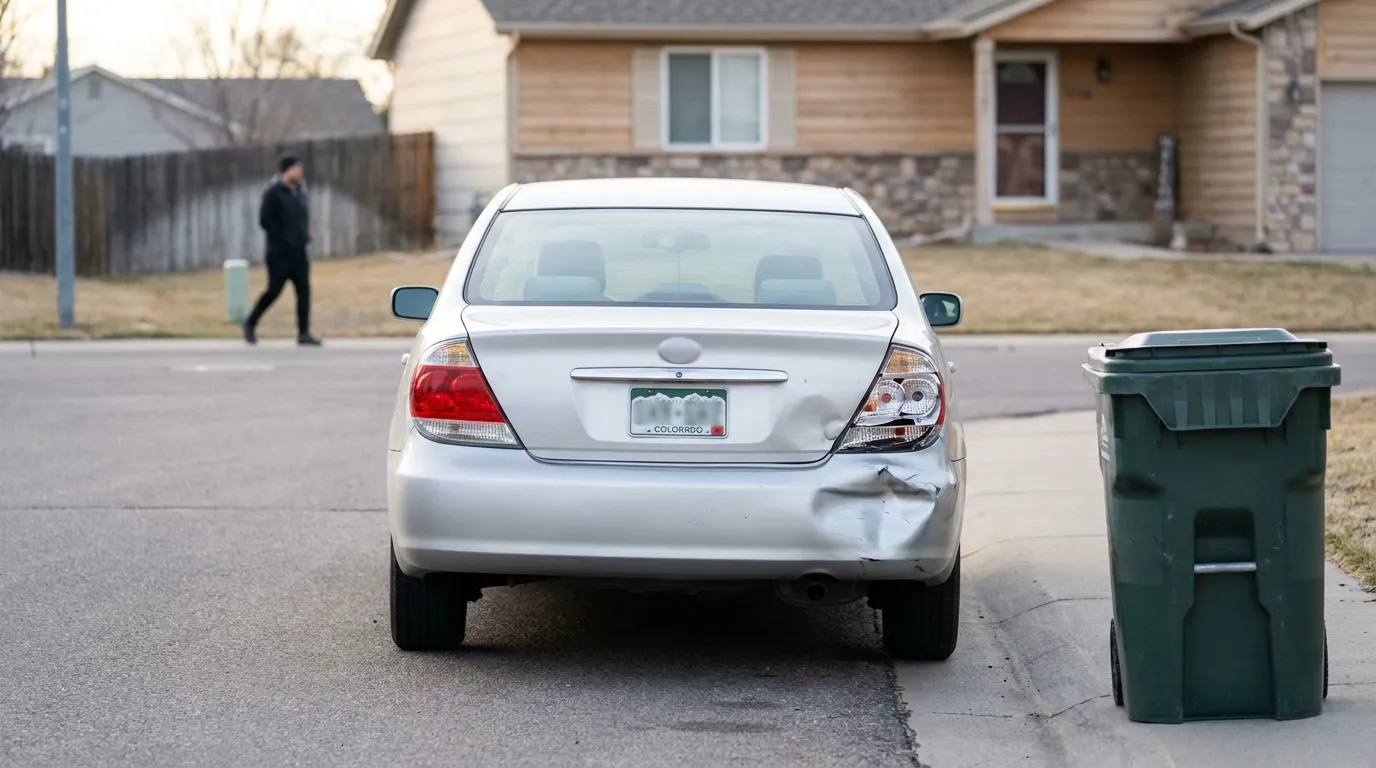
Vehicle damage patterns and accident reconstruction
-
Weather and road conditions at crash time
-
Each driver’s traffic-law compliance
💡 Pro Tip: Photograph the scene, road conditions, and vehicles before they’re moved when safe. Visual evidence of ice, debris, or signage can meaningfully influence comparative negligence analysis.
Protecting Your Claim Within Colorado’s Deadlines
Even strong fault cases can collapse if you miss filing deadlines. In Colorado, claims arising from motor-vehicle operation generally carry a 3-year statute of limitations for both personal injury and property damage, longer than the 2-year period for most other personal injury claims. This is the window for pursuing fault-based claims, and courts interpret exceptions narrowly.
Deadline extensions are limited and never automatic. While tolling or discovery rules may apply in certain circumstances, courts apply these exceptions cautiously. Civil statutes of limitations are separate from government administrative claim deadlines, which can be much shorter. Working with a Centennial Colorado car accident lawyer early ensures evidence preservation and timely filing.
💡 Pro Tip: Gather medical records and wage-loss documentation immediately, even while treating. Building this file early strengthens both damages claims and your position if insurers dispute fault.
Common Challenges Injured Claimants Face
Insurers frequently try assigning you higher fault percentages to reduce payouts. Because every fault point directly lowers recovery, adjusters have financial incentive to argue partial responsibility. Often, they’ll point to speed, following distance, or distraction without strong supporting evidence.
Unclear or disputed fault is among the most common hurdles Centennial residents report. When liability is genuinely contested, outcomes depend heavily on evidence quality and case presentation. Outcomes always depend on specific facts, so no result can be promised in advance.
Frequently Asked Questions
1. Who has the final word on fault in a Colorado car accident claim?
If your case settles, the insurance company’s assessment effectively controls, but it’s not legally binding. At trial, C.R.S. § 13-21-111(2) gives juries or judges authority to assign each party’s negligence percentage.
2. Can I still recover if I was partly at fault?
Yes, in many cases, as long as your fault doesn’t equal or exceed the other party’s. Under Colorado’s 50% bar, you can recover reduced damages if your fault stays below the defendant’s.
3. How are fault percentages actually calculated?
The trier of fact assigns each party a numeric percentage based on presented evidence. C.R.S. § 13-21-111(2)(b) requires verdicts to state each party’s negligence degree as a percentage, drawn from police reports, witness accounts, and reconstruction.
4. Does weather affect how fault is decided in Centennial?
It can. Icy or snowy conditions may be weighed differently than dry-weather crashes, with investigators considering whether each driver adjusted reasonably to conditions.
5. How long do I have to file a car accident claim in Colorado?
Generally three years from the crash date for motor-vehicle injury and property-damage claims. Because courts interpret deadline exceptions narrowly, act well before the limit and confirm your specific deadline with counsel.
Putting Colorado’s Fault Rules to Work for You
Understanding Colorado’s fault-based system gives injured people real advantages when negotiating with insurers. Colorado’s at-fault structure, modified comparative negligence rule, and 50% bar all flow from C.R.S. § 13-21-111, determining whether and how much you recover. Because fault percentages are decided by adjusters first and judges or juries later, strong evidence and timely action are essential.
If you’re facing a disputed claim or lowball offer after a Colorado car accident, the team at Jacobs Law is ready to help. Call us at 303-529-4040 or schedule a consultation online to discuss how Colorado’s fault rules apply to your situation.