Understanding Truck Crash Compensation in Colorado
A truck collision can leave victims in Centennial, Colorado, facing catastrophic injuries, mounting medical bills, and months of lost income. If you or a loved one suffered harm in a crash involving a commercial truck, Colorado law generally allows you to pursue three distinct categories of damages: economic, non-economic, and, in rare cases, punitive. Understanding what types of compensation may be available is the first step toward protecting your rights. The severity of truck accidents often means the stakes are far higher than in typical car crashes.
If you need guidance after a truck crash in the Centennial area, Jacobs Law is ready to help. Call 303-529-4040 or contact us today to discuss your case.

Economic Damages: Recovering Your Financial Losses
Economic damages compensate you for specific, measurable financial losses a truck crash causes. These are the most straightforward damages to calculate because they rely on documentation such as bills, receipts, pay stubs, and financial records. Under Colorado law, there is no statutory cap on economic damages in personal injury cases, and they may include:
- Medical expenses (emergency care, surgery, rehabilitation, future treatment)
- Lost wages and lost earning capacity
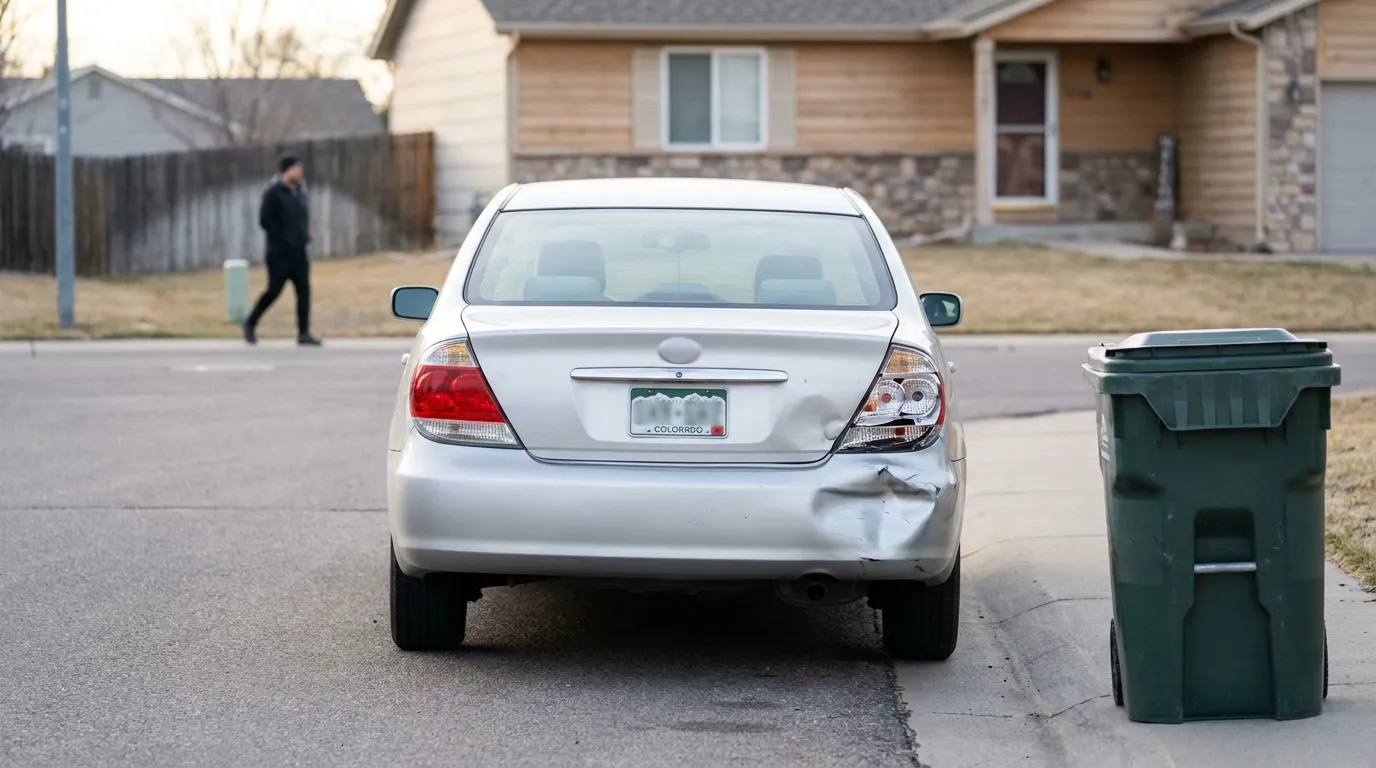
- Property damage to your vehicle and personal belongings
- Out-of-pocket costs related to your recovery
Truck accident medical bills in Colorado can climb rapidly, especially when injuries require long-term care. For example, a victim who suffers fractured ribs or a broken neck may need multiple surgeries, extended hospital stays, and months of physical therapy. Preserving every receipt and medical record from the outset strengthens your ability to prove the full scope of your financial harm.
💡 Pro Tip: Start a dedicated folder for every medical bill, pharmacy receipt, and employer wage statement from the moment of the crash. Insurance companies scrutinize gaps in documentation, and organized records make it far harder for adjusters to undervalue your claim.
Non-Economic Damages: Compensation Beyond the Bills
Non-economic damages address the intangible harms that do not come with a price tag but profoundly affect your quality of life. Colorado recognizes several forms of non-economic loss, including pain and suffering, emotional distress, disfigurement, and loss of enjoyment of life. A spouse of the injured person may also have a claim for loss of consortium, which compensates for the loss of companionship and support. Colorado law caps non-economic damages under CRS § 13-21-102.5, with the cap amount adjusted periodically for inflation, although a court may allow a higher amount upon clear and convincing evidence that the cap is unfair.
Proving non-economic damages typically requires more than paperwork. Journals documenting daily pain levels, testimony from friends and family, and mental health treatment records can all support these claims. An experienced Denver truck accident lawyer can help you build a compelling narrative that resonates with a jury or during settlement negotiations.
💡 Pro Tip: Keep a daily pain and recovery journal starting as soon as possible after the crash. Note your pain levels, emotional state, sleep quality, and activities you can no longer enjoy. This contemporaneous record serves as powerful evidence when calculating non-economic damages.
Punitive Damages: When a Truck Crash Involves Extreme Misconduct
Punitive damages go beyond compensating the victim and instead aim to punish a defendant for extremely reckless or malicious behavior. These damages are rarely awarded in Colorado truck accident cases, but they may apply in situations involving egregious conduct, such as a truck driver operating while intoxicated. Unlike economic and non-economic damages, punitive damages serve as a deterrent.
Because the threshold is high, your legal team must present clear and convincing evidence of misconduct. The conduct must demonstrate willful and wanton disregard for the rights or safety of others, such as knowingly violating safety rules or driving under the influence. Under CRS § 13-21-102, punitive damages are generally capped at an amount equal to the actual damages awarded, though the court may increase the award up to three times the actual damages if circumstances warrant.
| Damage Category | What It Covers | How It Is Proven |
|---|---|---|
| Economic | Medical bills, lost wages, lost earning capacity, property damage | Bills, receipts, pay stubs, financial records |
| Non-Economic | Pain and suffering, emotional distress, disfigurement, loss of enjoyment of life, loss of consortium | Journals, testimony, mental health records |
| Punitive | Punishment for extreme recklessness or malice | Clear and convincing evidence of egregious conduct |
How Comparative Negligence Affects Your Truck Accident Settlement in Colorado
Colorado follows a modified comparative negligence system under CRS § 13-21-111, which means your compensation may be reduced if you share some fault for the crash. Your final award is reduced by your percentage of blame. Critically, under the 50 percent bar rule, you cannot recover any damages if your negligence is 50% or greater.
This rule makes it essential to gather strong evidence early. Trucking companies and their insurers often try to shift blame onto the victim, arguing the injured driver was speeding or distracted. Preserving dashcam footage, witness statements, and the truck’s electronic data recorder information can counter these arguments and protect your right to compensation.
💡 Pro Tip: Never give a recorded statement to the trucking company’s insurance adjuster without first consulting an attorney. Adjusters may use your words to argue you were partially at fault, which could reduce or eliminate your recovery under Colorado’s comparative negligence rules.
The Role of Federal Trucking Regulations in Your Case
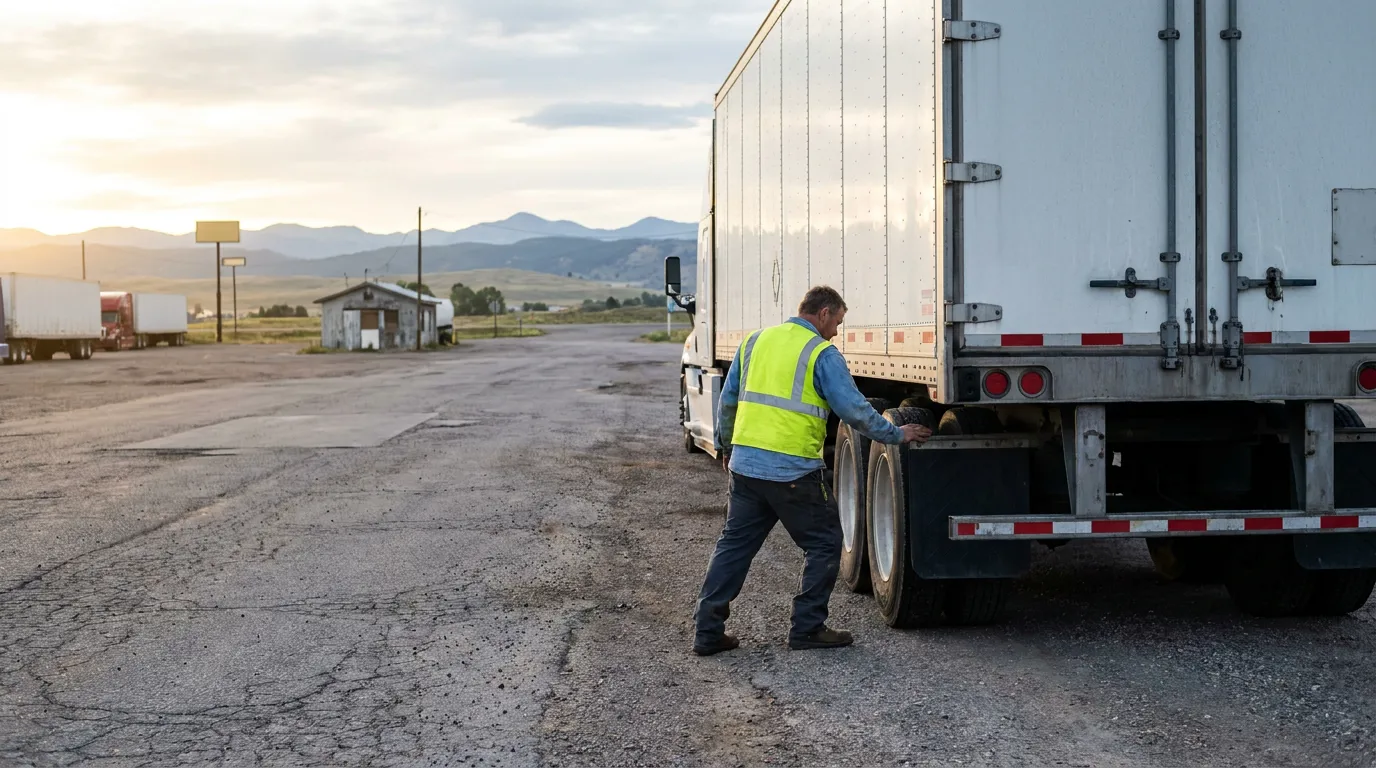
Federal Motor Carrier Safety Regulations under 49 CFR Part 390 set baseline safety standards for commercial motor vehicles and their operators, and violations can serve as critical evidence in your claim. These regulations establish maintenance, inspection, and operational requirements that carriers must follow. When a trucking company or driver fails to comply, that violation may support claims for negligence or negligence per se.
Negligence Per Se and Maintenance Failures
A Colorado truck injury claim may be strengthened when the at-fault party violated a specific safety regulation. For instance, courts have recognized negligence and negligence per se claims based on a trucking company’s failure to maintain a vehicle in good mechanical condition. Proving that a regulatory violation directly contributed to the crash can be a powerful tool for establishing liability.
Whiplash and Other Common Injuries
Even injuries that may initially seem minor, like whiplash, can develop into chronic conditions requiring long-term treatment. Whiplash symptoms include neck pain and stiffness, loss of range of motion, headaches, and fatigue. Some victims also experience blurred vision, sleep disturbances, and difficulty with memory or concentration. Thoroughly documenting these symptoms from the earliest stages supports claims for both medical expenses and pain and suffering compensation.
💡 Pro Tip: Follow up with your doctor even if you feel fine days after a crash. Some whiplash symptoms emerge gradually, and gaps in medical treatment give insurers an opening to argue your injuries are unrelated to the accident.
Colorado’s Statute of Limitations for Truck Crash Claims
Time is not on your side after a truck accident in Centennial, Colorado. Under CRS § 13-80-101(1)(n)(I), tort claims for bodily injury or property damage arising from the use or operation of a motor vehicle must be brought within three years after the cause of action accrues. This three-year period applies to negligence-based claims and is longer than the general two-year limit for most tort actions under CRS § 13-80-102. Note that claims based on strict liability or failure to warn may be subject to different limitation periods.
Missing this deadline generally bars your claim entirely, regardless of how strong your evidence may be. Courts interpret tolling exceptions narrowly. Do not assume any extension will apply without consulting an attorney.
If you are researching truck accident damages in Centennial, acting promptly also helps preserve key evidence such as driver logs and electronic data that trucking companies may overwrite or destroy over time.
💡 Pro Tip: Even if you are still receiving medical treatment, consult a truck injury lawyer well before the three-year deadline. Early legal involvement helps preserve electronic data recorder information and other evidence that may otherwise be lost.
Frequently Asked Questions
1. What is the difference between economic and non-economic damages in a Colorado truck accident case?
Economic damages cover quantifiable financial losses like medical bills, lost wages, and property damage, supported by documentation such as receipts and pay records. Non-economic damages compensate for intangible harms like pain and suffering and emotional distress, though they are subject to a statutory cap under Colorado law.
2. Can I still recover compensation if I was partially at fault for the truck accident?
Colorado’s modified comparative negligence rule under CRS § 13-21-111 allows you to recover damages as long as your fault is less than 50%. Your award will be reduced by your percentage of responsibility. If you are found 50% or more at fault, you are barred from recovering damages.
3. How long do I have to file a truck accident lawsuit in Colorado?
Under CRS § 13-80-101(1)(n)(I), you generally have three years from the date the cause of action accrues to file a negligence-based tort claim for bodily injury arising from a motor vehicle accident. Certain narrow exceptions may apply, and claims based on strict liability may be subject to different deadlines.
4. What role do federal trucking regulations play in my injury claim?
Federal Motor Carrier Safety Regulations under 49 CFR Part 390 establish safety standards for commercial trucks and their operators. A violation of these regulations, such as failing to properly maintain a vehicle, can serve as evidence of negligence or negligence per se in your Colorado truck injury claim.
5. Are punitive damages available in Colorado truck accident cases?
Punitive damages are available in rare circumstances where the defendant’s conduct was extremely reckless or malicious, such as driving a commercial truck while intoxicated. They require clear and convincing evidence and are intended to punish misconduct. Under CRS § 13-21-102, punitive damages are generally capped at the amount of actual damages, though the court may increase this cap up to three times the actual damages.
Protecting Your Right to Full Compensation After a Truck Crash
A truck accident in Centennial, Colorado, can change your life in an instant, but the law provides meaningful paths to recovery. From economic damages that reimburse your financial losses to non-economic damages that acknowledge your suffering, and in extreme cases punitive damages that hold wrongdoers accountable, understanding your options puts you in a stronger position. Colorado’s comparative negligence rules, the three-year statute of limitations for negligence-based motor vehicle claims, and federal trucking safety regulations all shape the outcome of your claim. The sooner you take action, the better your chances of preserving evidence and maximizing your recovery.
Jacobs Law has a proven track record of advocating for truck crash victims across the Denver and Centennial area. Call 303-529-4040 or reach out online to schedule a consultation and take the first step toward the compensation you deserve.