How Black Box Data Can Shape Your Centennial Truck Accident Claim
Key Takeaways:
Black box recorders in commercial trucks capture critical crash data that can prove fault. Electronic Logging Devices (ELDs) record driving time and hours of service compliance, while Event Data Recorders (EDRs) capture vehicle speed, braking, and collision data. Federal law requires ELDs to sync with truck engines and record data in real time, creating tamper-resistant evidence. Because trucking insurance minimums haven’t increased since 1980, victims need strong evidence to pursue full compensation. Preserving this data quickly after a crash is essential.
If you or a loved one suffered injuries in a commercial truck collision in Centennial, Colorado, the data stored inside the truck itself could be key to your case. More than 5,000 people die annually in crashes with large trucks. Black box recorders, both Electronic Logging Devices and Event Data Recorders, capture objective, real-time information about a truck’s operation before, during, and after a crash. Understanding how this data works can significantly impact claim outcomes.
Jacobs Law can help you understand how black box evidence applies to your case. Call 303-529-4040 to discuss your situation, or reach out to our team online to get started.
What Are Black Box Recorders in Commercial Trucks?
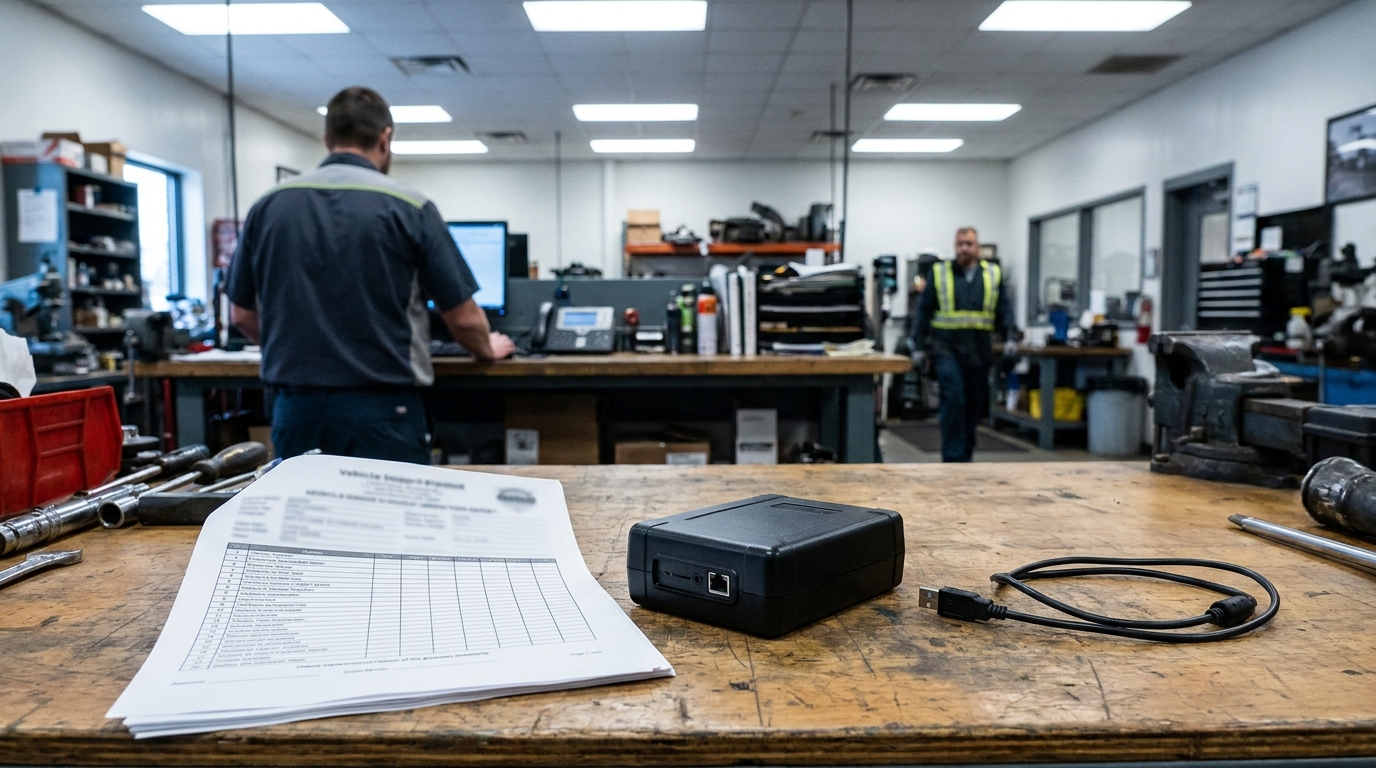
The term "black box" in truck accident cases refers to two distinct electronic recording devices: Electronic Logging Devices (ELDs) and Event Data Recorders (EDRs). Each device serves a different purpose and captures different data categories. Understanding the distinction matters because each recorder provides unique evidence relevant to proving truck driver fault in Colorado.
Electronic Logging Devices (ELDs)
ELDs are congressionally mandated devices that synchronize with a vehicle’s engine to automatically record driving time for hours of service (HOS) compliance. Under 49 CFR Part 395, Subpart B, motor carriers must use only ELDs registered on the FMCSA’s approved list. The ELD mandate became mandatory after December 18, 2017, so truck accident cases after that date should have electronic logging data available as evidence.
Event Data Recorders (EDRs)
EDRs serve a different but equally important function. In commercial trucks, the electronic control module (ECM) functions as an event data recorder, capturing technical information before, during, and after a collision. While 49 CFR Part 563 standardizes EDR requirements for light vehicles (8,500 pounds GVWR or less), most commercial trucks exceed those thresholds. However, most modern heavy truck ECMs voluntarily record data such as vehicle speed, throttle position, brake application, seatbelt use, and air bag deployment timing. This second-by-second data can be pivotal in a truck accident claim in Centennial.
| Feature | ELD | EDR / ECM |
|---|---|---|
| Primary Purpose | Hours of service compliance | Crash reconstruction |
| Data Captured | Driving time, duty status, driver ID | Speed, braking, throttle, engine data |
| Recording Window | Continuous during engine operation | Brief period around a crash event |
| Federal Mandate | 49 CFR Part 395, Subpart B | 49 CFR Part 563 (light vehicles only); no federal mandate for heavy trucks, though most ECMs record crash-related data |
| Key Use in Litigation | Proving HOS violations and fatigue | Proving driver actions before impact |
Why Black Box Evidence Matters for Your Centennial Truck Accident Attorney
Objective data from a truck’s black box can confirm or contradict the narrative a trucking company presents after a crash. Trucking companies and their insurers often have legal teams working to minimize liability immediately. Black box data removes guesswork by providing an electronic record of exactly what the truck was doing in the critical moments.
This evidence becomes critical when considering the financial landscape of truck accident cases. Most truckers carrying general freight across state lines must carry $750,000 in liability insurance under 49 CFR Part 387, but serious crash costs can quickly exhaust that amount. That minimum was established in 1980 and remains unchanged. When insurance limits fall short, victims may need to pursue additional claims against the carrier or other parties, and strong black box evidence supports those efforts.
💡 Pro Tip: Request that your attorney send a spoliation letter to the trucking company immediately after a crash. This letter puts the carrier on legal notice to preserve all black box data, driver logs, and maintenance records.
How ELD Data Creates an Auditable Trail of Driver Conduct
Every time a truck driver starts an engine, the ELD begins building a record traceable to a specific individual. Under § 395.22(c)(1), driver accounts on an ELD require the driver’s first and last name, a unique ELD username, a valid driver’s license number, and the issuing jurisdiction. This creates an auditable trail tying a specific driver to specific driving periods.
Federal regulations also require that ELD data be recorded in real time. Events must be recorded with sequence IDs assigned at the moment they occur. This strengthens the reliability of ELD evidence by reducing the possibility that records were altered after the fact.
💡 Pro Tip: If the trucking company claims its ELD data is unavailable or incomplete, that gap itself can be powerful evidence. Courts may draw negative inferences when a party fails to preserve electronically stored information it was required to maintain.
ELD Compliance Failures as Evidence in Truck Accident Litigation
A malfunctioning or improperly maintained ELD can be as telling as the data the device records. Under § 395.22(f), a motor carrier must ensure that an ELD is calibrated and maintained according to the provider’s specifications. If the device was not properly maintained, that fact may support claims of carrier negligence.
Federal standards require ELDs to power on and become fully functional within one minute of the vehicle’s engine receiving power, remaining operational as long as the engine runs. If an ELD and its required components are not connected and fully functional, they fall out of federal compliance. An experienced Centennial truck accident attorney can use compliance failures to demonstrate that a motor carrier disregarded its legal obligations.
💡 Pro Tip: Ask your attorney whether the trucking company’s ELD was on the FMCSA’s registered device list at the time of the crash. An unregistered device may indicate broader compliance issues.
What Happens When ELD Data Goes Missing
Missing ELD data can undermine a trucking company’s defense and strengthen a victim’s claim. When carriers fail to produce records they were legally required to maintain, courts in many jurisdictions may allow juries to infer that the missing evidence would have been unfavorable to the carrier.
The Shifting Legal Landscape for Truck Crash Victims
Some states have passed laws making it harder for victims to hold trucking companies accountable, raising the stakes for strong physical evidence. For example, Texas passed a law in 2021 requiring bifurcated trials in trucking cases, meaning the trucking company’s conduct cannot be examined unless the driver is first found liable. While Colorado hasn’t adopted this framework, the national trend underscores why objective black box data is increasingly important.
Electronic data recorder evidence can serve as a counterweight to defense tactics designed to limit corporate accountability. Speed data, braking records, and HOS logs don’t change their story based on litigation strategy.
💡 Pro Tip: Even if you believe the truck driver was clearly at fault, don’t assume the trucking company will accept responsibility. Carriers and insurers routinely contest liability, which is why preserving and analyzing black box data early is critical.
Steps to Protect Black Box Evidence After a Centennial Truck Crash
Time is one of the biggest threats to black box evidence. ELD data can be overwritten, and EDR data may be lost if the vehicle is repaired or scrapped. Taking prompt action helps ensure the evidence you need remains available.
- Contact an attorney promptly so a preservation letter can be sent to the trucking company before data is lost.
- Document what you can at the scene, including photos of the truck, its license plate, DOT number, and any visible damage.
- Don’t give recorded statements to the trucking company’s insurer before consulting with legal counsel.
- Request a copy of the police report, which may identify the carrier, driver, and other details needed to pursue data preservation.
💡 Pro Tip: Colorado’s statute of limitations sets deadlines for filing personal injury and wrongful death claims. Don’t delay seeking legal guidance after a truck accident.
Frequently Asked Questions
1. How long is black box data stored after a truck accident in Centennial?
Storage duration varies by device and carrier. ELD data must be retained for at least six months under federal regulations, but EDR data may be overwritten much sooner. Acting quickly to preserve this information is critical.
2. Can a trucking company legally destroy black box data?
Once a trucking company has reason to anticipate litigation, it generally has a duty to preserve relevant evidence, including black box data. Destroying or failing to preserve this data after notice may result in sanctions. However, if no preservation demand is made, data may be lost through routine business practices.
3. What is the difference between ELD data and EDR data in a truck accident case?
ELD data focuses on driver hours, duty status, and engine synchronization, while EDR data captures vehicle dynamics like speed, braking, and throttle position in the seconds surrounding a crash. Both types can prove truck driver fault in Colorado.
4. Do I need an attorney to access black box data from a truck accident?
In most cases, yes. Trucking companies and their insurers are unlikely to voluntarily share black box data with crash victims. An attorney can issue formal preservation demands, subpoena records during litigation, and retain professionals who can download and interpret data from both ELDs and EDRs.
Protecting Your Rights After a Centennial Truck Collision
Black box recorders provide some of the most objective and compelling evidence available in truck accident cases. From ELD logs revealing whether a driver exceeded federal hours of service limits to EDR data capturing the truck’s speed and braking before impact, this electronic evidence can be the foundation of a successful claim. For victims dealing with the aftermath of a serious crash in Centennial, Colorado, understanding that this data exists and acting quickly to preserve it may be the most important steps you take.
If you need guidance on preserving evidence and pursuing a truck accident claim in Centennial, Jacobs Law is ready to help. Call 303-529-4040 to speak with a Centennial truck accident attorney, or contact us today to schedule a consultation.