How the Driver’s App Status Decides Which Policy Pays
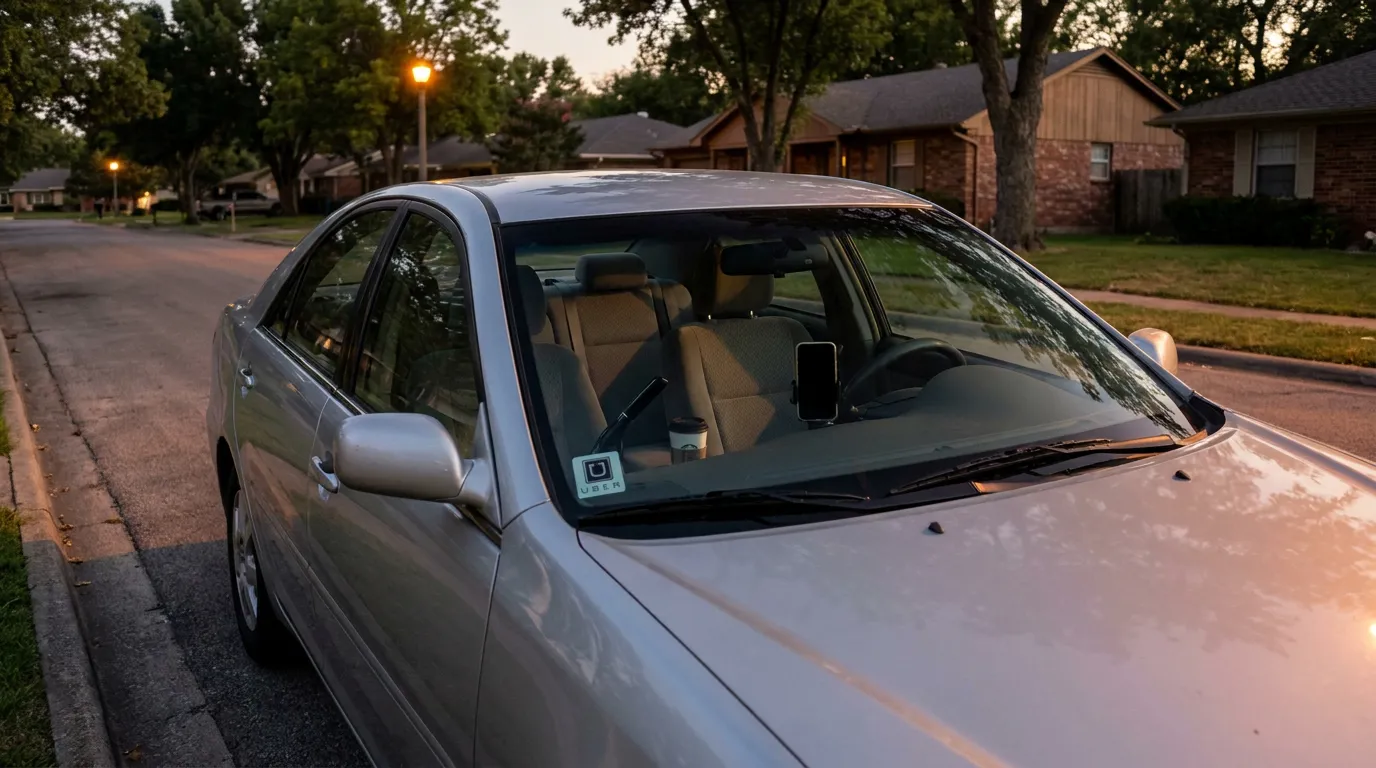
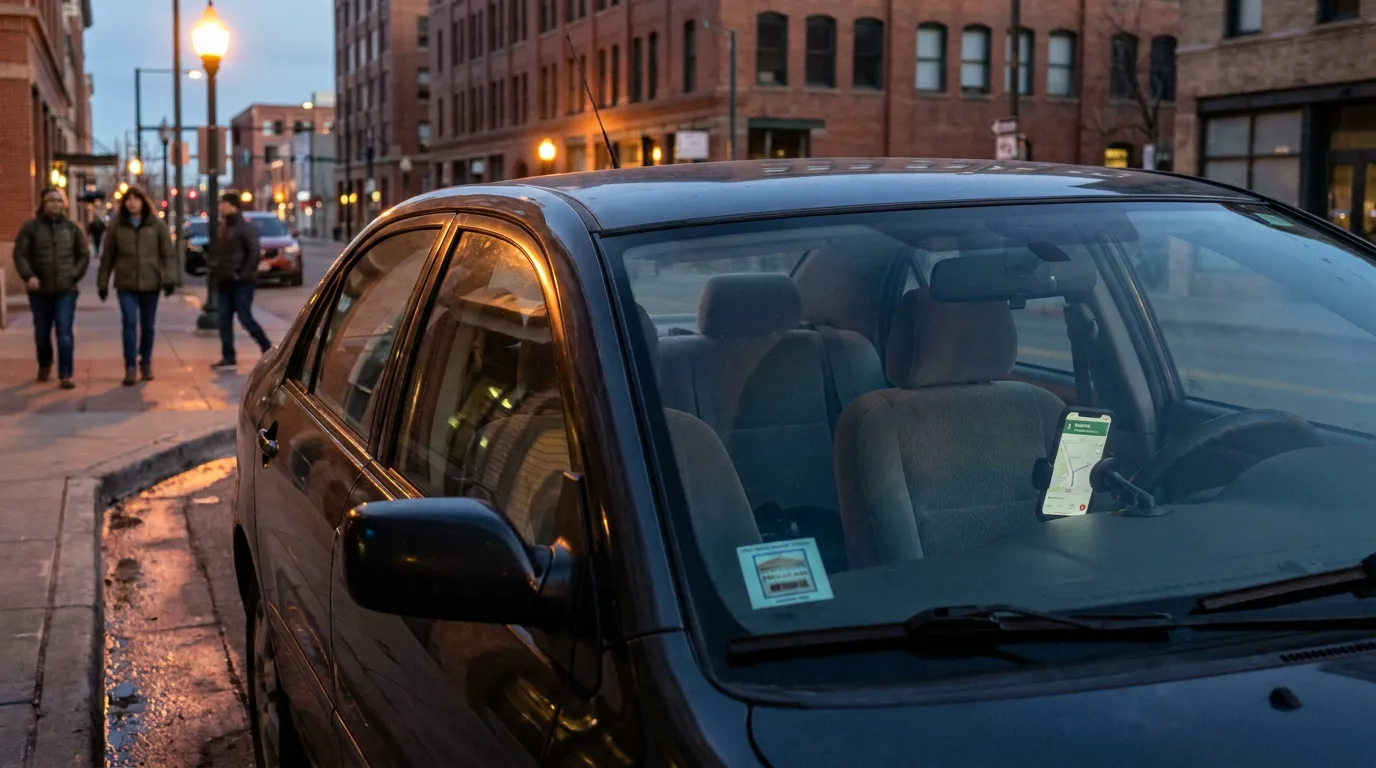
The insurance policy that applies depends entirely on what the Uber driver was doing on the app at the moment of impact. Uber provides liability coverage for drivers, but the amount shifts dramatically based on ride phase. If you are weighing an Uber accident claim in Colorado, a Denver car accident lawyer for rideshare crash claims can help sort out which policy comes first.
A logged-in driver waiting for a ride request carries only limited liability coverage. In that first period, Uber’s coverage limits are far lower than during a trip. Personal auto policies exclude rideshare service coverage, creating gaps that can leave victims vulnerable.
The strongest protection applies in Periods 2 and 3, while the driver heads to a pickup or has a passenger on board. At that point, Uber’s $1 million liability policy applies. Understanding which period was active is critical to identifying the right insurance source for your claim.
Rideshare usage across Colorado keeps growing, rising from 32,060,787 annual transportation tasks in 2023 to 35,081,644 in 2024, so these coverage questions come up often.
Who pays for my injuries if the Uber driver’s app was off during the crash?
If the Uber app was completely off, only the driver’s personal auto insurance applies. That personal policy may carry only the state minimum limits, which may not be enough for serious injuries. You would file a claim against the driver’s personal policy rather than Uber’s commercial coverage.
Does Uber’s $1 million policy always apply to passengers?
Not always. Coverage disputes can arise, and Uber’s insurers may deny coverage for intentional acts or challenge whether the ride was truly active.

Who Can Be Liable After an Uber Crash
In many rideshare collisions, more than one party shares fault. Investigators use police reports, vehicle damage patterns, electronic data recorders, and witness statements to divide fault among all contributors. A second driver who ran a red light, a vehicle manufacturer responsible for a defective component, or even a government entity could share liability alongside the Uber driver.
If another driver caused the crash while you were a passenger, you may have claims against both that driver’s insurance and the rideshare company’s commercial policy. Certain circumstances like negligent driver screening or app malfunctions could create corporate liability for the rideshare company itself.
The PUC mandates specific safety and operational standards for TNC drivers and vehicles, including background checks, hours-of-service limits, medical certifications, and vehicle safety criteria. Documenting any violations of PUC safety requirements can demonstrate negligence per se, strengthening liability arguments.
Liability can also extend to public agencies or contractors when defective road design or malfunctioning traffic signals contribute to the collision. When evidence links the crash to a poorly designed intersection or improper signal timing in Centennial, you may be able to identify the responsible public agency or contractor.
How Shared Fault Affects a Rideshare Claim
How fault is split between the parties directly affects your compensation. Being partly at fault does not end the claim on its own, but it lowers what you can recover. Once your share reaches 50 percent or more, recovery is completely barred. Insurers may also cite the seat belt defense for Uber riders. For example, if you suffered $100,000 in damages but were found 20% responsible for the accident, your recovery would be reduced to $80,000.
For a pedestrian hit by an Uber in Centennial, this means stepping slightly outside a crosswalk or sharing some blame does not necessarily defeat a claim. Not wearing a seatbelt doesn’t bar recovery but may reduce your compensation if it contributed to your injuries.
This rule makes early evidence gathering especially important. Insurance companies for the Uber driver or rideshare platform may attempt to shift blame onto you to reduce or eliminate your payout. Our guide on recovering damages when you share fault in Colorado walks through the 50 percent bar.
Steps to Protect Your Uber Accident Claim
Early action after a rideshare collision gives the claim firmer footing. Evidence gathered in the hours and days following the collision often forms the foundation of a successful case. For more details, review this guide on steps after a Centennial Uber accident.
Documenting the Scene and Your Injuries
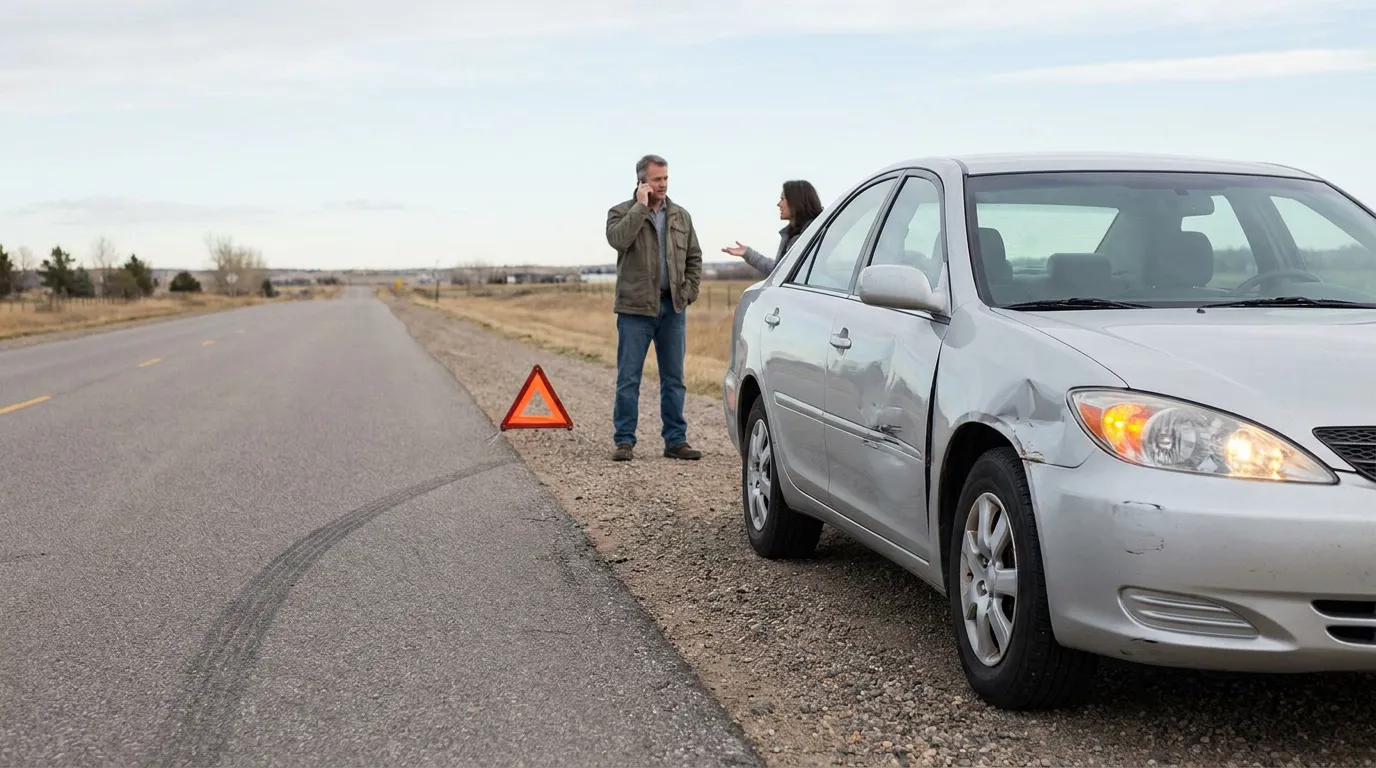
Thorough documentation starts at the crash scene when your injuries allow. Take photos of the damaged vehicles, the state of the road, the signals and your injuries. Obtain a copy of the police report, collect witness contact information, and note the Uber driver’s name and license plate number.
- Seek immediate medical attention, even if injuries seem minor
- Report the crash through the Uber app
- Request ride logs and trip history from Uber’s app
- Keep all medical records, bills, and receipts
- Document lost wages and impact on daily activities
- Keep every email, letter and message from the insurers
💡 Pro Tip: Do not provide a recorded statement to any insurance company before consulting an attorney. An adjuster can use anything you say to cut the claim’s value or turn it down.
Preserving Digital Evidence
App and phone records from a rideshare trip can be lost unless someone moves fast to save them. Uber’s internal records, including GPS data, ride acceptance times, and driver ratings, may be essential to proving liability. Your attorney can send a spoliation letter to Uber demanding preservation of these records.
Electronic data from vehicles may also be available but can be overwritten if not preserved promptly.
Can You Sue Uber After an Accident in Colorado?
A lawsuit tends to come into play when the insurance process stalls: an insurer disputes which coverage period applied, denies coverage, puts too much of the blame on you, or offers less than your documented losses.
A suit can also make sense when several parties may share responsibility or when the facts point to the rideshare company itself. Because settlement talks can run long, a case is sometimes filed to stay inside the filing deadline covered below.
Our post on suing over an Uber crash in Arapahoe County District Court covers the local court.
Riders should also read about how Uber’s arbitration clause affects injury claims.
The Filing Deadline for a Rideshare Injury Lawsuit
A statute of limitations sets the outer time limit for starting a lawsuit, and missing it can permanently end an otherwise valid claim. Colorado generally imposes a two-year statute of limitations for most personal injury claims, with a three-year deadline specifically for motor vehicle accident claims, and a two-year deadline for wrongful death actions.
Tolling may pause the clock, but courts apply these exceptions narrowly. A nonpartisan Colorado Legislative Council Staff memorandum on statutes of limitations in civil cases covers tolling as legally suspending limitations so lawsuits may be filed after the expiration date. Circumstances such as fraudulent concealment or a plaintiff’s legal disability can extend the period in limited situations, but you should never assume an extension applies.
Civil deadlines are distinct from administrative or insurance notice requirements. A claim against an insurer follows the policy’s notice provisions, while a civil lawsuit follows the statutory deadline. Claims against a government body come with an earlier written notice requirement.
💡 Pro Tip: Treat the earliest possible deadline as your working deadline. Building your claim well before any limitations period expires leaves room for negotiation and unexpected delays.
Having a Lawyer Review Your Rideshare Claim
A first offer seldom matches what a claim is really worth, above all when the injuries need continuing care. A lawyer can check an offer against everything you have lost, from future medical needs to reduced earning capacity.
A lawyer can also check which coverage period applied, who else may share fault and how much time is left to file. At Jacobs Law, the first consultation is free.
Our guide on how to choose a rideshare accident lawyer lists questions worth asking.
Talk With Jacobs Law
If you were hurt in a crash in Denver, Centennial or anywhere in the south metro, we can help. Contact Jacobs Law to schedule a free consultation and tell us what happened.