If you were injured in a rideshare accident in Centennial, Colorado, one of the most important factors in your claim is which insurance period applied at the crash. Uber and Lyft structure their coverage around three distinct driving periods, and the protection available changes dramatically depending on whether the driver was waiting for a request, heading to pick someone up, or transporting a passenger. Understanding these Uber insurance periods in Colorado helps you identify who may owe compensation and how much coverage supports your claim for medical bills, lost wages, and pain and suffering.
If you were hurt in a rideshare collision and need guidance, Jacobs Law is here to help. Call 303-529-4040 or reach out online to discuss your case today.
How Colorado Regulates Uber and Lyft Insurance
The Colorado Public Utilities Commission (PUC) serves as the primary regulator for transportation network companies (TNCs) like Uber and Lyft. The PUC ensures these companies are properly licensed and insured before operating in the state. Colorado was the first state to create state-level TNC regulations in 2014, establishing operational standards addressing driver safety and consumer protection under the PUC’s 6000 and 6700 Series Rules.
One critical rule: TNC drivers cannot accept street hails. All rides must be arranged through the digital app. This matters because the insurance period structure is tied directly to the driver’s app status. You can learn more about rideshare consumer protections through the Colorado PUC. Nearly all U.S. states have enacted TNC insurance legislation, but Colorado’s framework includes particularly strong protections for injured parties.

The 3 Uber Insurance Periods Explained
The rideshare insurance system divides a driver’s activity into three coverage periods, each with different policy limits. Knowing which period was active at your accident is essential to building a successful rideshare accident claim in Centennial or the Denver metro area.
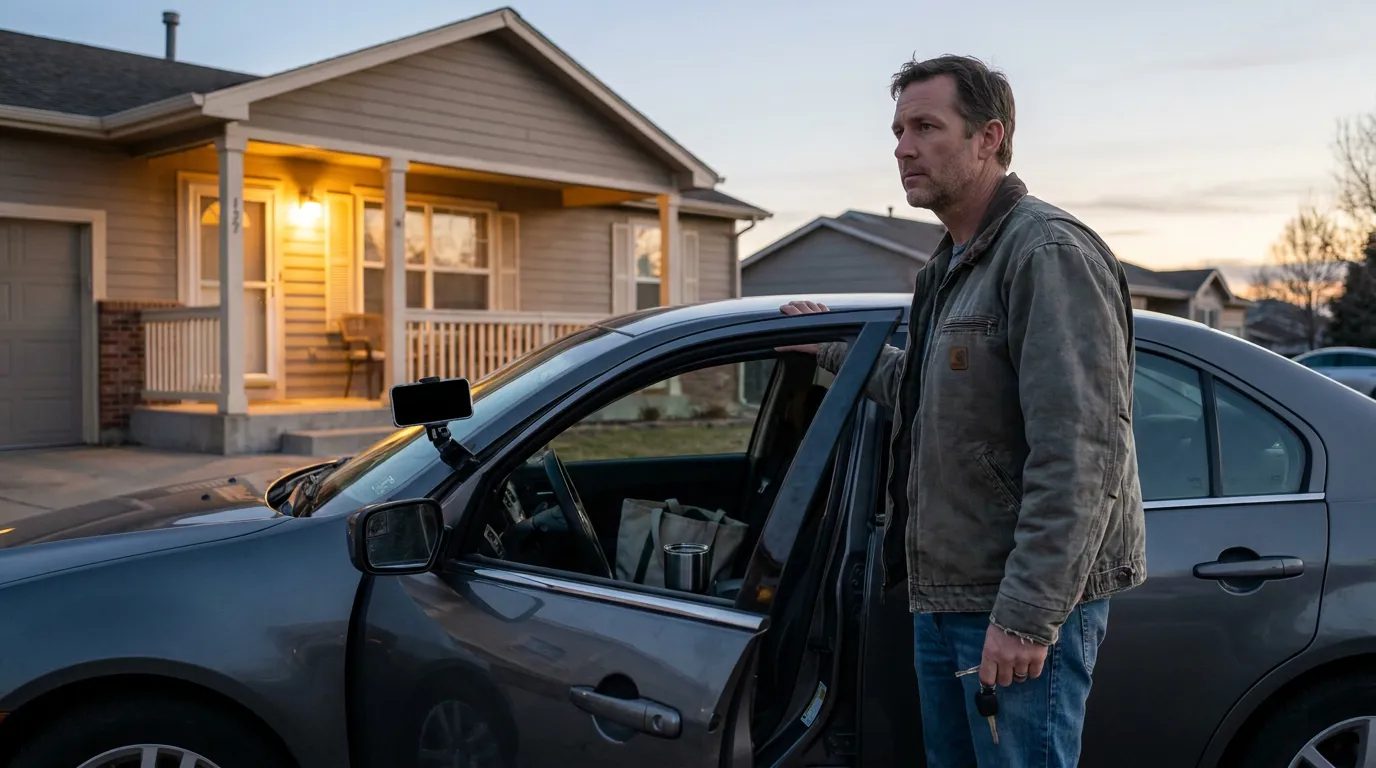
Period 1: App On, Waiting for a Ride Request
During Period 1, the driver has the app on and is available but has not accepted a ride request. This period offers the most limited coverage. Under Colorado law (C.R.S. § 40-10.1-604), TNCs must maintain primary liability coverage with minimum limits of $50,000 per person, $100,000 per incident, and $30,000 for property damage. This coverage is primary. Period 1 represents a significant potential gap for injured victims.
Period 2: Ride Accepted, En Route to Passenger
Period 2 begins when a driver accepts a ride request and is traveling to pick up the passenger. During this period, TNCs must provide $1 million in primary commercial liability insurance. The coverage increase from Period 1 to Period 2 is substantial, which is why identifying the exact crash timing relative to the driver’s app status is critical for your claim.
Period 3: Passenger in the Vehicle
Period 3 covers the time when a passenger is physically in the vehicle until the ride ends. Like Period 2, TNCs provide $1 million in primary commercial liability coverage. If you were a passenger, pedestrian, cyclist, or occupant of another vehicle injured during Period 3, this coverage generally applies to your damages.
💡 Pro Tip: Request the Uber or Lyft trip data as soon as possible after your accident. Ride logs show the driver’s precise app status at the crash, which directly determines available insurance coverage.
Uber Accident Attorney in Denver: Why the Insurance Period Matters for Your Claim
The difference between Period 1 and Periods 2 or 3 can mean the difference between $50,000 and $1 million in available coverage. For someone facing significant medical expenses, ongoing treatment, or lost income, that gap is enormous. An experienced Uber accident attorney in Denver can investigate the driver’s app records, obtain the police report, and determine exactly which policy applies.
Insurance companies and TNCs may dispute which period was active at the collision. This is why preserving evidence early matters. Screenshots, ride confirmations, witness statements, and medical records all help establish the facts. If you need help navigating a rideshare accident claim in Colorado, acting quickly protects your rights.
💡 Pro Tip: If you were a passenger in the Uber at the crash, take a screenshot of your active trip screen before leaving the scene if safe to do so. This can serve as evidence of Period 3 coverage.
The Personal Auto Policy Gap for TNC Drivers
Most personal auto insurance policies exclude coverage when a vehicle is used for livery or commercial purposes. This means if an Uber driver causes an accident while logged into the app, the driver’s personal auto insurer may deny the claim entirely. This exclusion creates a coverage gap, particularly during Period 1 even though Colorado requires TNCs to maintain primary coverage during that period.
Insurers have developed rideshare-specific endorsements that offer enhanced protection during all driving periods, including Period 1. However, not all drivers carry these endorsements. For injured victims, this means you may need to pursue the TNC’s commercial coverage or your own uninsured/underinsured motorist policy.
💡 Pro Tip: Colorado law under C.R.S. § 10-4-619 requires every motor vehicle owner operating on public highways to maintain a complying insurance policy. If the at-fault driver was offline (not logged into any rideshare app), their personal auto policy is the primary coverage source.
Colorado’s Uninsured Motorist Protections for Rideshare
Colorado took a significant step in 2022 by passing House Bill 22-1089, which requires TNCs to provide uninsured motorist insurance coverage for drivers and riders during prearranged rides. The law, effective August 10, 2022, mandates coverage of at least $200,000 per person and $400,000 per occurrence. This protection fills a gap that previously left passengers and drivers vulnerable when struck by an uninsured motorist during an active ride.
Importantly, TNCs in Colorado cannot reject uninsured motorist coverage during periods when a driver is engaged in a prearranged ride. You can review the full text of HB22-1089 for additional details. Understanding why Colorado requires $1M in Uber liability helps illustrate how seriously the state takes rideshare passenger safety.
Coverage Summary by Insurance Period
| Insurance Period | Driver Status | Typical Liability Coverage | UM/UIM Coverage (HB22-1089) |
|---|---|---|---|
| Period 1 | App on, waiting for request | $50K/$100K/$30K (primary) | May vary; limited |
| Period 2 | Ride accepted, en route to pickup | $1 million primary liability | $200K per person / $400K per occurrence |
| Period 3 | Passenger in vehicle | $1 million primary liability | $200K per person / $400K per occurrence |
💡 Pro Tip: If you were injured by an uninsured driver while riding in an Uber in Centennial, you may now have access to UM/UIM coverage through the TNC itself under HB22-1089. Do not assume you have no options because the at-fault driver lacked insurance.
Steps to Protect Your Rideshare Accident Claim
Taking the right steps immediately after an Uber or Lyft accident can significantly strengthen your ability to recover compensation. Here is what you should prioritize:
- Call 911 and obtain a police report documenting the crash
- Seek medical attention promptly, even if injuries seem minor
- Preserve your Uber or Lyft ride receipt and trip confirmation
- Gather witness contact information at the scene
- Document the scene with photos of vehicle damage, road conditions, and visible injuries
Colorado imposes procedural deadlines for filing injury claims, and missing those deadlines may bar your recovery. Consulting with an Uber accident attorney in Denver early helps ensure you meet all applicable timelines.
💡 Pro Tip: Request your medical records and keep a journal documenting your symptoms, treatment, and how injuries affect daily life. This evidence supports claims for both economic and non-economic damages like pain and suffering.
Frequently Asked Questions
1. What determines which Uber insurance period applies to my accident?
The driver’s app status at the crash moment determines the applicable period. Period 1 means the app was on but no ride was accepted. Period 2 means a ride was accepted and the driver was en route. Period 3 means a passenger was in the vehicle. Uber and Lyft maintain digital records obtainable during a claim or through legal discovery.
2. Can I file a claim if the Uber driver was in Period 1 with limited coverage?
Yes, you may still pursue a claim, but available TNC coverage during Period 1 is much lower than Periods 2 or 3. Although Colorado requires TNCs to maintain primary coverage during Period 1, the available limits are lower than in Periods 2 or 3. You may also explore the driver’s personal auto policy or your own uninsured/underinsured motorist coverage. An attorney can help identify all available recovery sources.
3. Does Colorado require Uber to carry uninsured motorist coverage?
Under HB22-1089, TNCs in Colorado must provide uninsured motorist coverage of at least $200,000 per person and $400,000 per occurrence during prearranged rides (Periods 2 and 3). The TNC cannot reject this coverage during active ride periods. This law took effect August 10, 2022.
4. What if I was a pedestrian or cyclist hit by an Uber driver?
Pedestrians and cyclists injured by a rideshare driver may file a claim against the applicable insurance coverage based on the driver’s period status at the collision. If the driver was in Period 2 or 3, $1 million in primary commercial liability coverage generally applies. The claim process is similar to that of a vehicle occupant.
5. How long do I have to file a rideshare accident claim in Colorado?
Colorado generally imposes a two-year statute of limitations on personal injury claims, but the specific deadline may depend on several factors. Courts interpret tolling exceptions narrowly, and certain claims against government entities may have shorter deadlines. Consulting an attorney promptly helps ensure you do not miss a critical filing window.
Protecting Your Rights After an Uber Accident in Centennial
Understanding the three Uber insurance periods in Colorado is a critical first step toward recovering compensation after a rideshare accident. Whether you were a passenger, pedestrian, cyclist, or another driver, the coverage available hinges on the driver’s app status at the crash. Colorado’s regulatory framework, including HB22-1089’s uninsured motorist requirements, provides meaningful protections, but navigating these claims requires careful evidence gathering and timely action.
If you or a loved one was injured in a rideshare accident in Centennial or the greater Denver area, Jacobs Law can help you understand your options. Call 303-529-4040 or contact us today to get started on your claim.