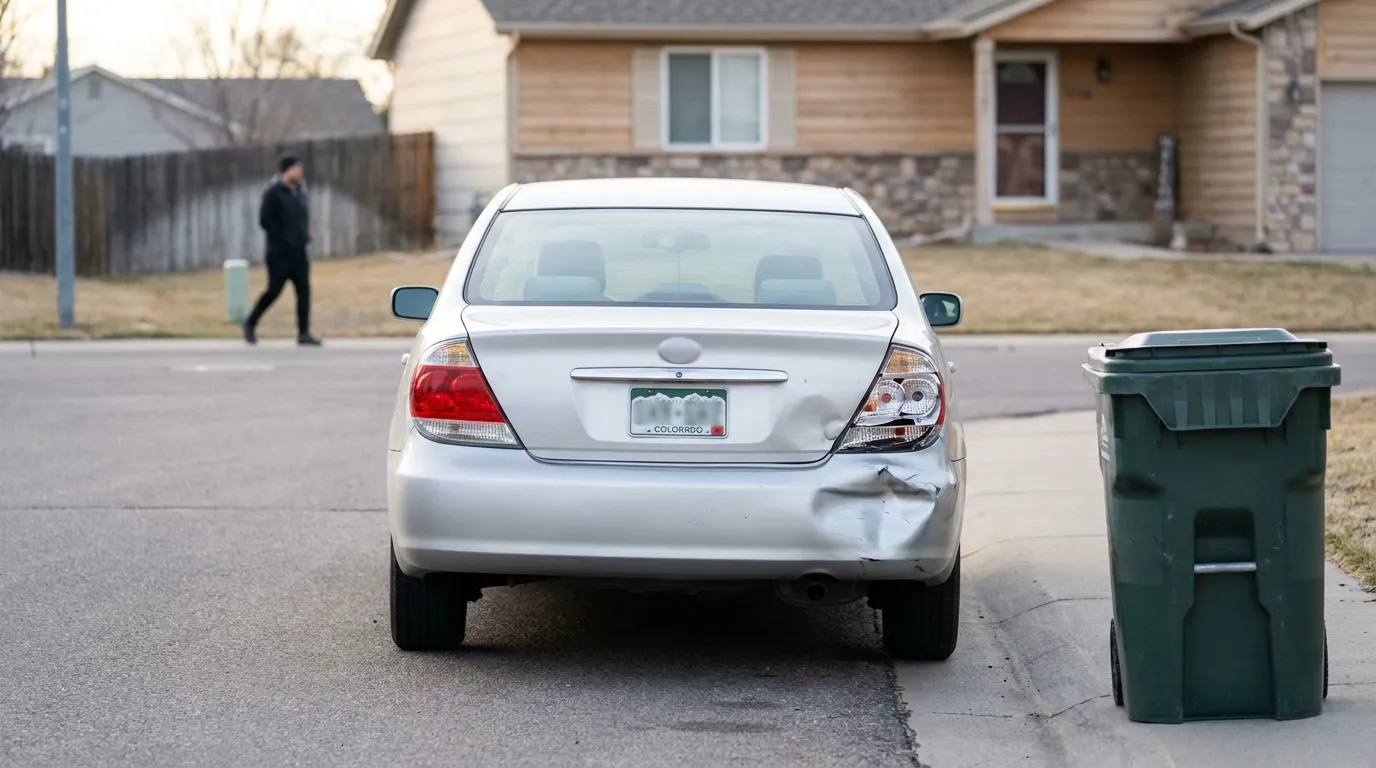
If you were riding as a passenger in a Centennial, Colorado car crash, you may have more legal options than you realize. Unlike drivers, passengers are rarely at fault for a collision, putting them in a strong position to pursue compensation for medical bills, lost wages, and pain and suffering. However, understanding which insurance policies apply, how Colorado’s fault laws work, and what recent legislative changes mean for your claim can make the difference between a lowball settlement and full recovery. This guide breaks down the key rights and legal protections available to passengers injured in Centennial auto accidents.
If you were hurt as a passenger in a recent crash, Jacobs Law can help you understand your options. Call 303-529-4040 or reach out online to discuss your case today.
How Colorado’s At-Fault Insurance System Affects Passenger Injury Claims
Colorado operates as a tort, or at-fault, state for auto insurance purposes. This means the driver who caused the crash is financially responsible for injuries and damages sustained by others, including passengers. Colorado law requires all drivers to carry minimum liability coverage of $25,000 per person for bodily injury, $50,000 per accident for bodily injury, and $15,000 for property damage. These minimums define the baseline insurance available to cover a passenger injury claim, though they often fall short when injuries are serious.
As a passenger, you can file a claim against the at-fault driver’s liability policy. If both drivers share fault, you may have the right to file claims against multiple policies. You can review Colorado’s auto insurance requirements to better understand the coverages that may apply to your situation.
💡 Pro Tip: Keep a copy of the police report and collect insurance information from every driver involved. As a passenger, you may be eligible to file against more than one policy, and having this documentation early strengthens your claim.

Insurance Coverages That Protect Injured Passengers in Centennial
Several types of auto insurance coverage can apply to a passenger’s injury claim, sometimes from multiple policies at once. Understanding these coverages is critical because the at-fault driver’s minimum liability limits may not fully cover your medical expenses and losses.
Medical Payments Coverage (MedPay)
Medical payments coverage pays for your health care expenses after a crash, regardless of fault. In Colorado, insurers must offer at least $5,000 in MedPay coverage, automatically included in a policy unless the policyholder rejects it in writing. As a passenger, you may access MedPay from the driver’s policy in the vehicle you occupied.
Uninsured/Underinsured Motorist Coverage (UM/UIM)
An estimated 15 to 20 percent of Colorado drivers are uninsured, creating real risk for injured passengers. Uninsured and underinsured motorist coverage is not required in Colorado but must be offered by insurers at limits equal to the policyholder’s bodily injury liability coverage and is automatically included unless rejected in writing. UM/UIM coverage protects passengers when the at-fault driver has no insurance or insufficient limits to cover your losses.
| Coverage Type | What It Covers | Default Inclusion |
|---|---|---|
| Liability (25/50/15) | Injuries/damages you cause to others | Required by law |
| MedPay ($5,000) | Your medical expenses, regardless of fault | Included unless rejected in writing |
| UM/UIM | Your injuries when at-fault driver is uninsured/underinsured | Included unless rejected in writing |
💡 Pro Tip: Even if you do not own a car, you may still have access to UM/UIM or MedPay coverage through the policy of the vehicle you were riding in or through a household member’s policy. Ask an attorney to review all available policies.
How Comparative Negligence Impacts a Car Accident Attorney in Denver Cases
Colorado follows a modified comparative negligence system, which can reduce or eliminate a passenger’s recovery depending on the circumstances. Under this rule, an injured party can recover damages only if they are less than 50% at fault. If a jury determines you were 50% or more to blame, you receive no compensation. If you are found partially at fault but below the 50% threshold, your award is reduced by your percentage of fault.
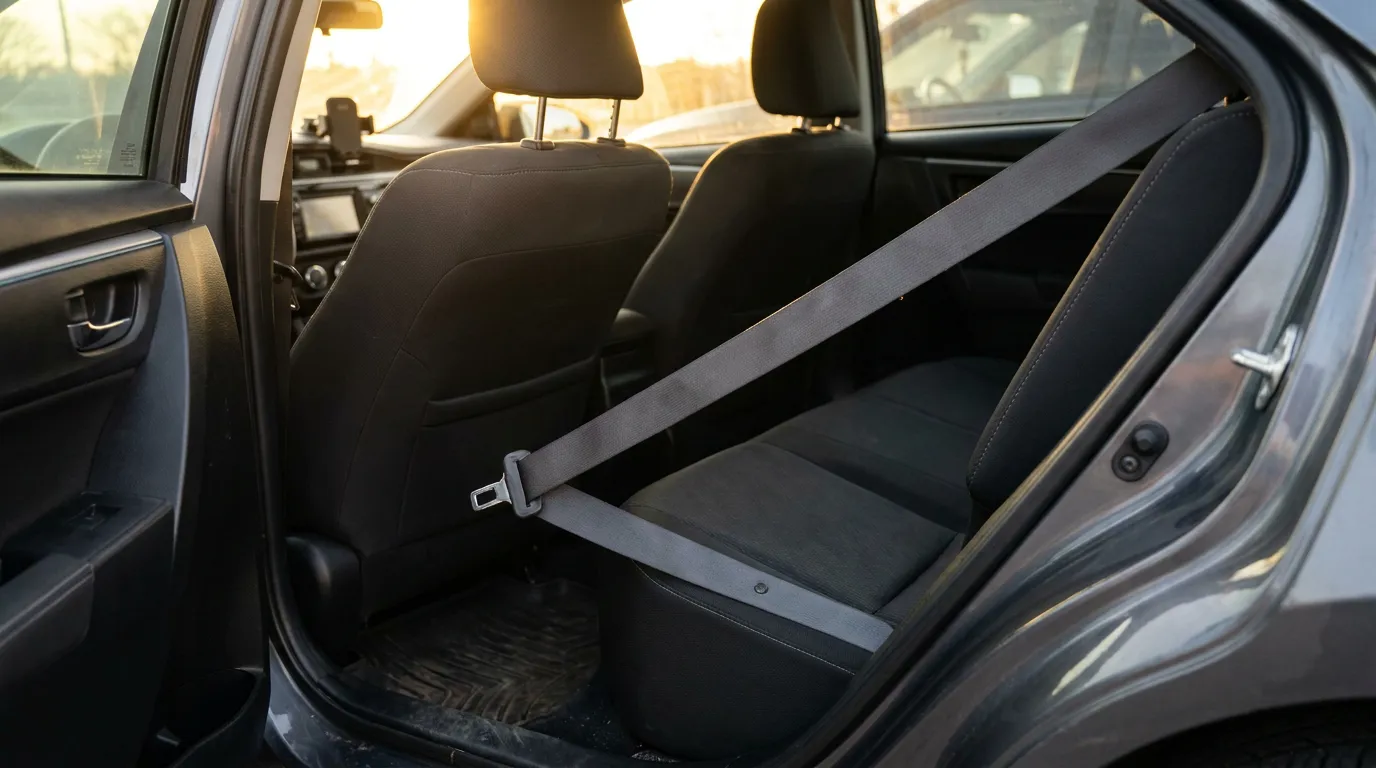
For passengers, comparative fault defenses are less common but not impossible. All road users, including passengers, have a duty to use reasonable care for their own safety and the safety of others. Failure to wear a seatbelt, distracting the driver, or knowingly riding with an impaired driver could potentially be raised as comparative negligence defenses. However, your negligence must have actually contributed to causing the accident for comparative fault to apply.
💡 Pro Tip: Insurance adjusters sometimes argue that passengers share blame to reduce payouts. Document everything, including seatbelt use, and avoid giving recorded statements before speaking with an attorney.
Recent Colorado Law Changes That Increase Passenger Compensation
Colorado HB24-1472, signed by the Governor on June 3, 2024, and effective January 1, 2025, significantly increased the damages caps that apply to personal injury and wrongful death cases. These changes directly benefit injured passengers pursuing civil claims in Centennial and throughout Colorado.
Higher Noneconomic Damages Cap
The act increased the cap on damages for noneconomic loss or injury to $1.5 million for civil actions filed on or after January 1, 2025. The new law eliminated the previous provision that allowed courts to exceed the cap upon clear and convincing evidence. Biennial inflation adjustments will begin in 2028, meaning this cap will continue to rise. Noneconomic damages cover pain and suffering, loss of enjoyment of life, and similar harms that do not carry a specific dollar amount. You can review the full text of HB24-1472 for additional details.
Medical Malpractice and Wrongful Death Caps
The medical malpractice noneconomic damages cap is incrementally increasing from $300,000 to $875,000 over five years starting January 1, 2025, with biennial inflation adjustments beginning after the phase-in period. Additionally, the act established a wrongful death damages cap of $2.125 million, with biennial inflation adjustments beginning January 1, 2028. The act also added siblings of the deceased as parties who may bring a wrongful death action in certain circumstances.
💡 Pro Tip: Because Colorado’s damages caps changed significantly in 2025, the filing date of your case matters. Claims filed on or after January 1, 2025, benefit from the higher limits. Do not delay in discussing your timeline with an attorney.
Steps to Protect Your Passenger Injury Claim After a Centennial Car Crash
Taking the right steps immediately after a crash can significantly strengthen your claim for passenger injury compensation in Colorado. While your legal position as a passenger is generally favorable, failing to preserve evidence or meet deadlines can weaken your case.
- Seek medical attention immediately, even if injuries seem minor. Delayed symptoms are common, and medical records create essential documentation.
- Obtain the police report and gather contact and insurance information from all drivers involved.
- Document the scene with photos of vehicle damage, road conditions, and your injuries.
- Avoid providing recorded statements to any insurance company before consulting with an attorney.
- Keep records of all expenses, including medical bills, prescriptions, lost wages, and treatment-related transportation costs.
If you were a passenger in a rideshare vehicle, the claims process may involve additional insurance layers. Rideshare companies carry commercial policies that may provide higher coverage limits. Learn more about how a Centennial Uber accident attorney can protect your rights in those situations.
Why Injured Passengers Should Work With a Car Accident Attorney in Denver
Navigating insurance claims as an injured passenger often involves dealing with multiple policies, multiple adjusters, and competing interests. The driver you were riding with and the other driver may both point fingers, and their insurance companies may try to minimize what they owe you. A car accident lawyer in Colorado with experience in passenger claims can identify every available source of coverage and handle negotiations on your behalf.
An attorney can also help you avoid common pitfalls that reduce compensation. These include accepting early settlement offers before understanding the full extent of your injuries, missing filing deadlines, or inadvertently saying something that an insurer uses to argue comparative fault.
💡 Pro Tip: Colorado’s statute of limitations for most personal injury claims is generally two years from the date of the injury, though motor vehicle accident claims have a three-year statute of limitations. Claims against government entities under the Colorado Governmental Immunity Act require written notice within 182 days of discovery of the injury. Consult with an attorney early to protect your deadline.
Frequently Asked Questions
1. Can a passenger file a claim against the driver of the car they were riding in?
Yes. If the driver of the vehicle you occupied was at fault or partially at fault for the crash, you can file a claim against that driver’s liability insurance. Your relationship with the driver does not eliminate your legal right to seek compensation.
2. What happens if the at-fault driver has no insurance?
If the at-fault driver is uninsured, you may still recover compensation through uninsured motorist coverage on the policy of the vehicle you were in or through a household member’s policy. Given that an estimated 15 to 20 percent of Colorado drivers lack insurance, UM coverage is particularly valuable.
3. Can a passenger be found partially at fault for a car accident in Centennial?
It is uncommon but possible. Passengers have a duty to exercise reasonable care, and actions like distracting the driver or failing to wear a seatbelt could potentially be raised as comparative fault. However, the negligent conduct must have actually contributed to causing the accident. If you are found partially at fault but below the 50% threshold, your compensation is reduced proportionally.
4. How much compensation can an injured passenger recover in Colorado?
The amount depends on the severity of injuries, available insurance coverage, and applicable damages caps. For civil actions filed on or after January 1, 2025, the noneconomic damages cap is $1.5 million under HB24-1472. Economic damages such as medical bills and lost wages are not subject to this cap.
5. How long do I have to file a passenger injury claim in Colorado?
Colorado’s statute of limitations for most personal injury claims is generally two years from the date of the injury, though motor vehicle accident claims have a three-year statute of limitations. However, specific circumstances, such as claims involving government entities, may impose shorter deadlines (for example, written notice within 182 days). Consulting an attorney early helps ensure you do not miss a critical filing date.
Taking Action After a Centennial Car Crash
Passengers injured in Centennial car accidents have strong legal protections under Colorado law, including access to multiple insurance coverages and recently increased damages caps. The key is acting quickly to document your injuries, preserve evidence, and understand which policies apply. An experienced attorney can help you navigate the process and pursue the full compensation you deserve.
Jacobs Law is ready to help injured passengers in Centennial and throughout the Denver metro area. Call 303-529-4040 or contact us today for a case evaluation.