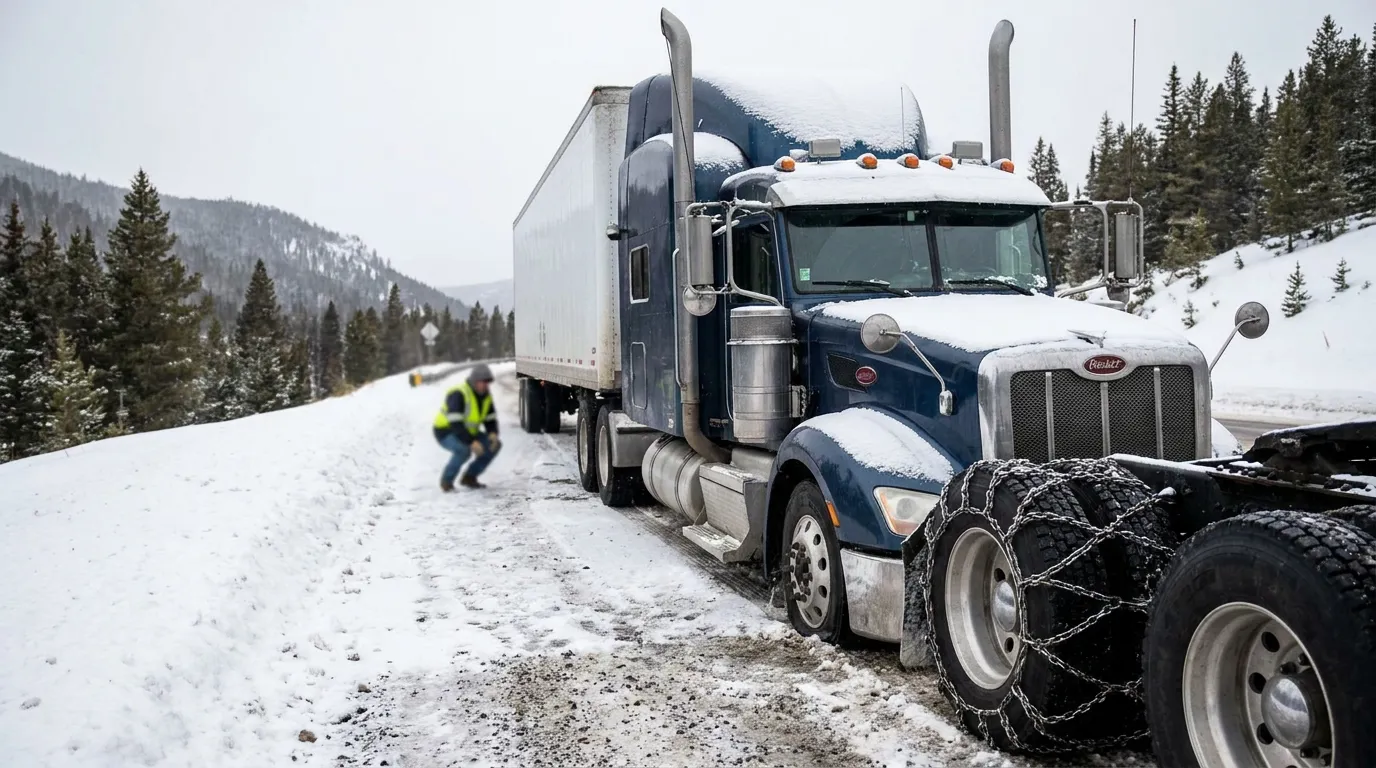
Understanding Shared Fault After a Centennial Crash
Key Takeaways: A Centennial driver who is partly at fault can usually still recover damages under Colorado’s modified comparative negligence rule found in section 13-21-111, C.R.S. Your compensation is reduced in proportion to your share of blame, so being 20 percent at fault typically trims a $100,000 award to $80,000. However, Colorado enforces a 50 percent bar rule, denying recovery if your fault equals or exceeds the other party’s. Fault percentages are decided by jury through special verdict, and defendants may designate nonparties to shift blame within strict time limits. Insurers often inflate a victim’s fault to reduce payouts, so preserving evidence and staying below the 50 percent threshold is critical. Acting promptly to meet filing deadlines and working with a knowledgeable attorney can significantly protect your recovery.
A Centennial driver who is partly at fault can often still recover damages under Colorado law. Colorado does not follow the harsh all-or-nothing approach that some states use. Instead, the state allows a partly-at-fault driver to pursue compensation, provided their share of blame stays below a critical threshold. If you were hurt in a collision and worry that your own mistake will erase your claim, the reality is usually more forgiving than you expect.
If you are facing an insurance dispute after a shared fault car crash, the team at Jacobs Law is ready to help you understand your options. Call us at 303-529-4040 or reach out through our online contact page to discuss your Centennial car accident claim.
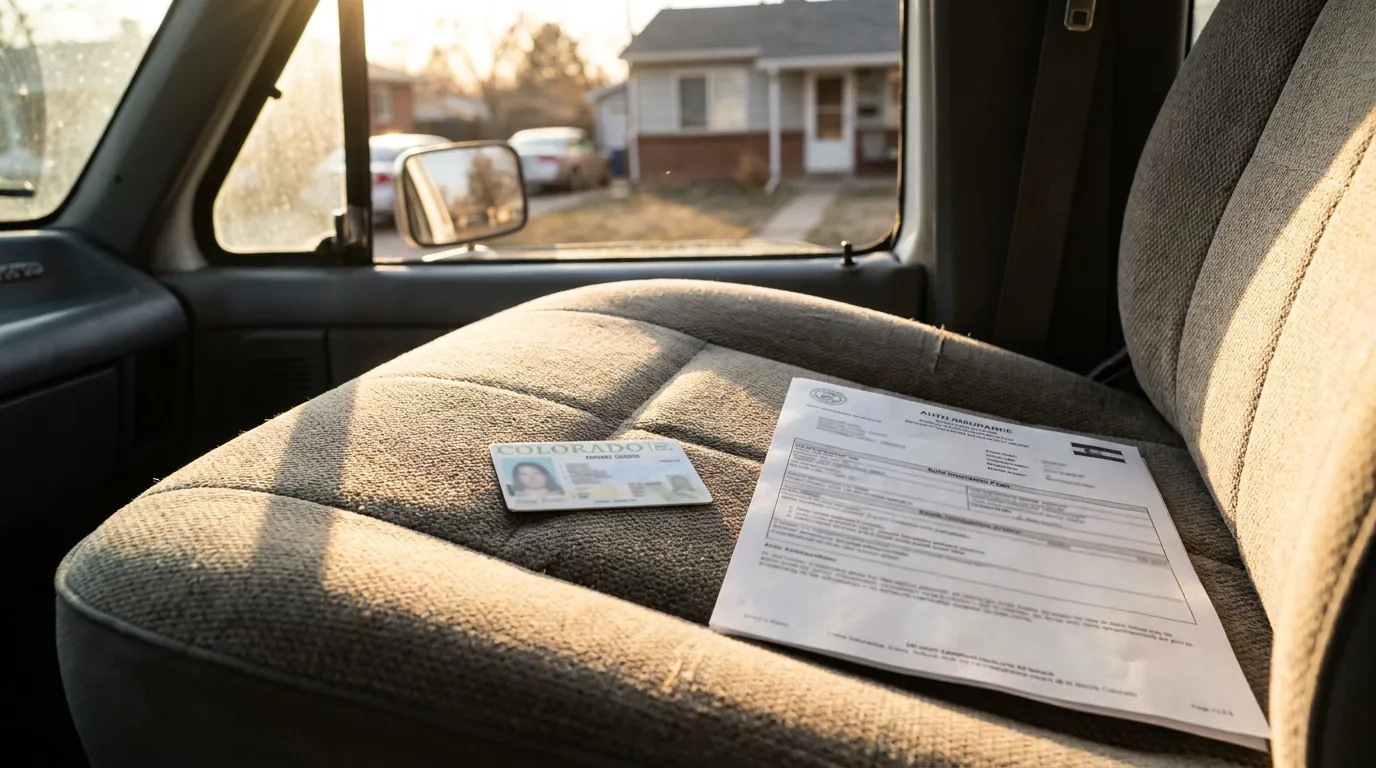
What Does Colorado’s Fault Based System Mean for Centennial Claims
The core of what does Colorado’s fault based system mean for Centennial claims is that your recovery is reduced, not eliminated, when you share blame. Colorado applies a modified comparative negligence rule codified at section 13-21-111, C.R.S. Under this framework, contributory negligence shall not bar recovery in any action if such negligence was not as great as the negligence of the person against whom recovery is sought. A partly-at-fault driver can still recover as long as their fault does not equal or exceed the other party’s.
This rule matters because many real collisions have multiple causes. A Centennial driver who was speeding slightly when another motorist ran a red light did not necessarily forfeit the right to compensation. Colorado’s comparative fault approach was designed to sort out exactly these kinds of mixed-fault situations.
Colorado’s version of the rule includes a firm ceiling known as the 50% bar. Under section 13-21-111(3), C.R.S., if the plaintiff’s proportion of negligence is equal to or greater than the negligence of the party they are suing, the court enters judgment for the defendant. A plaintiff cannot recover if they are found 50 percent or more at fault. Staying below that line separates a reduced recovery from no recovery at all.
How Your Damages Are Reduced When You Share Blame
When you are partly responsible, your compensation is trimmed to match your share of fault. Section 13-21-111(1), C.R.S. directs that any damages allowed shall be diminished in proportion to the amount of negligence attributable to the injured person. If a jury values your total losses at $100,000 but finds you 20 percent at fault, your award drops to $80,000. This proportional reduction is the heart of Colorado’s fault law.
The reduction is calculated using specific percentages assigned by the fact-finder. Section 13-21-111(2), C.R.S. requires the jury to return a special verdict stating both the recoverable damages absent contributory negligence and the degree of negligence of each party, expressed as a percentage. Colorado’s official pattern jury instructions guide this process. The applicable comparative negligence instructions are Instructions 9:22 and 9:26 through 9:28D.
Fault is not always confined to the two drivers involved. Under section 13-21-111.5(3)(b), C.R.S., the negligence of a nonparty may be considered if the defending party gives notice designating that nonparty within ninety days following commencement of the action. This means a defendant may try to shift blame onto someone who is not named in the lawsuit. Courts apply these designation rules carefully, and while the ninety-day requirement is generally enforced, a court may permit a longer period when it finds good cause for the delay.
💡 Pro Tip: Keep every document that helps establish the other driver’s fault, including the police report, photos, and witness contact information. The lower your assigned percentage of fault, the more of your damages you may preserve.
The Jury’s Role and Your Attorney’s Voice in Court
When comparative fault is disputed, the judge must explain to the jury how its fault percentages affect the outcome. Section 13-21-111.5(5), C.R.S. provides that the trial court shall instruct the jury on the effect of its finding as to the percentage of negligence between plaintiffs and defendants. The same provision confirms that attorney for each party are allowed to argue the effect of that instruction. This gives your legal team a meaningful opportunity to frame how blame should be divided.
Colorado also uses a several liability system that generally limits each defendant to their own share of fault. Under section 13-21-111.5, C.R.S., the court makes special findings determining the percentage of fault attributable to each party and enters judgment accordingly, with limited exceptions such as parties acting in concert. For an injured driver, understanding how fault gets divided among multiple parties can significantly shape a settlement strategy.
A skilled advocate can push back when an insurer inflates your percentage of fault. Insurers frequently assign an exaggerated share of blame to reduce what they must pay. If you want to understand how partial fault plays out at a specific percentage, our discussion of whether you can recover damages at 40 percent fault walks through a common scenario. Having someone marshal the evidence early can make a real difference.
How Colorado Compares to Other States
Colorado’s modified comparative negligence rule places it in the company of most states. Nationally, over 30 states use some form of modified comparative negligence, while about a dozen states use pure comparative negligence, and only a few states use contributory negligence. The table below summarizes the three main systems.
| Approach | Effect on a Partly-At-Fault Driver |
|---|---|
| Contributory negligence | Recovery barred if the plaintiff is at fault at all |
| Pure comparative negligence | Recovery reduced by the plaintiff’s fault percentage, with no cutoff |
| Modified comparative negligence | Recovery allowed only if fault stays below a 50% or 51% threshold |
These distinctions are more than academic. A national overview of comparative and contributory negligence laws shows how dramatically results can differ across state lines. Colorado’s 50% bar rule is generally more generous than the strict contributory negligence used in a handful of jurisdictions, though the 50 percent ceiling means that fault allocation deserves close attention.
Practical Steps to Protect Your Recovery
Protecting your claim starts with preserving evidence that supports a lower fault percentage. Because your recovery shrinks as your assigned fault grows, the documentation you gather early can shape the entire outcome. Consider these steps after a collision when you are able to do so safely:
- Photograph the vehicles, the roadway, traffic signals, and any visible injuries
- Request a copy of the official crash report and note the responding agency
- Collect names and contact details for any witnesses at the scene
- Seek prompt medical care and keep records of all treatment and expenses
- Avoid giving a recorded statement to the other insurer before speaking with counsel
Timing also matters because civil claims are subject to filing deadlines. Colorado generally allows three years to file a lawsuit for injuries arising from the use or operation of a motor vehicle, a longer period than the two-year limit that applies to most other injury claims. These civil deadlines are separate from any government administrative claim requirements, which can carry their own shorter timelines. Missing a deadline can bar an otherwise valid claim.
Working with a knowledgeable advocate helps you counter lowball offers and unfair fault assignments. A firm trusted for handling collision cases can gather evidence, work with the pattern instructions, and argue your fault percentage. If you want a deeper overview of your rights, our resources for a car accident attorney Centennial drivers rely on can help you understand the process.
Frequently Asked Questions
1. Can I recover damages if I was 30 percent at fault in a Centennial crash?
Generally, yes. Because Colorado follows a modified comparative negligence rule under section 13-21-111, C.R.S., a driver found 30 percent at fault can typically recover damages reduced by that percentage. Your award would be diminished proportionally, but not eliminated.
2. What happens if I am found exactly 50 percent at fault?
At 50 percent, recovery is generally barred. Section 13-21-111(3), C.R.S. provides that a plaintiff whose negligence equals or exceeds the defendant’s cannot recover. This is why staying below the 50 percent threshold is critical.
3. Who decides my percentage of fault?
In a jury trial, the jury decides. Under section 13-21-111(2), C.R.S., the jury returns a special verdict stating total damages and the degree of negligence of each party as a percentage. Attorneys for each side may argue how fault should be divided.
4. Can the other driver blame someone who is not part of the lawsuit?
Sometimes, yes. Section 13-21-111.5(3)(b), C.R.S. allows a defendant to designate a nonparty whose negligence may be considered, provided notice is given within ninety days after the action commences unless the court allows a longer period. This can affect how fault and recovery are allocated.
5. How long do I have to file a car accident claim in Colorado?
Civil injury claims are subject to statutory deadlines. Colorado generally sets a three-year limitation period for auto accident claims under section 13-80-101, C.R.S. Because deadlines vary by claim type, confirming the applicable period early is generally wise.
Moving Forward After a Shared Fault Collision
A partly-at-fault Centennial driver usually retains the right to pursue compensation, subject to Colorado’s 50 percent bar. The state’s modified comparative negligence framework under section 13-21-111, C.R.S. reduces your recovery in proportion to your fault rather than wiping it out entirely. Understanding what does Colorado’s fault based system mean for Centennial claims can help you avoid accepting less than your case is worth.
If you were injured and are unsure how partial fault affects your case, the attorney at Jacobs Law are here to guide you through Colorado comparative fault questions. Call 303-529-4040 today or send us a message through our confidential case review form to take the next step toward protecting your recovery.