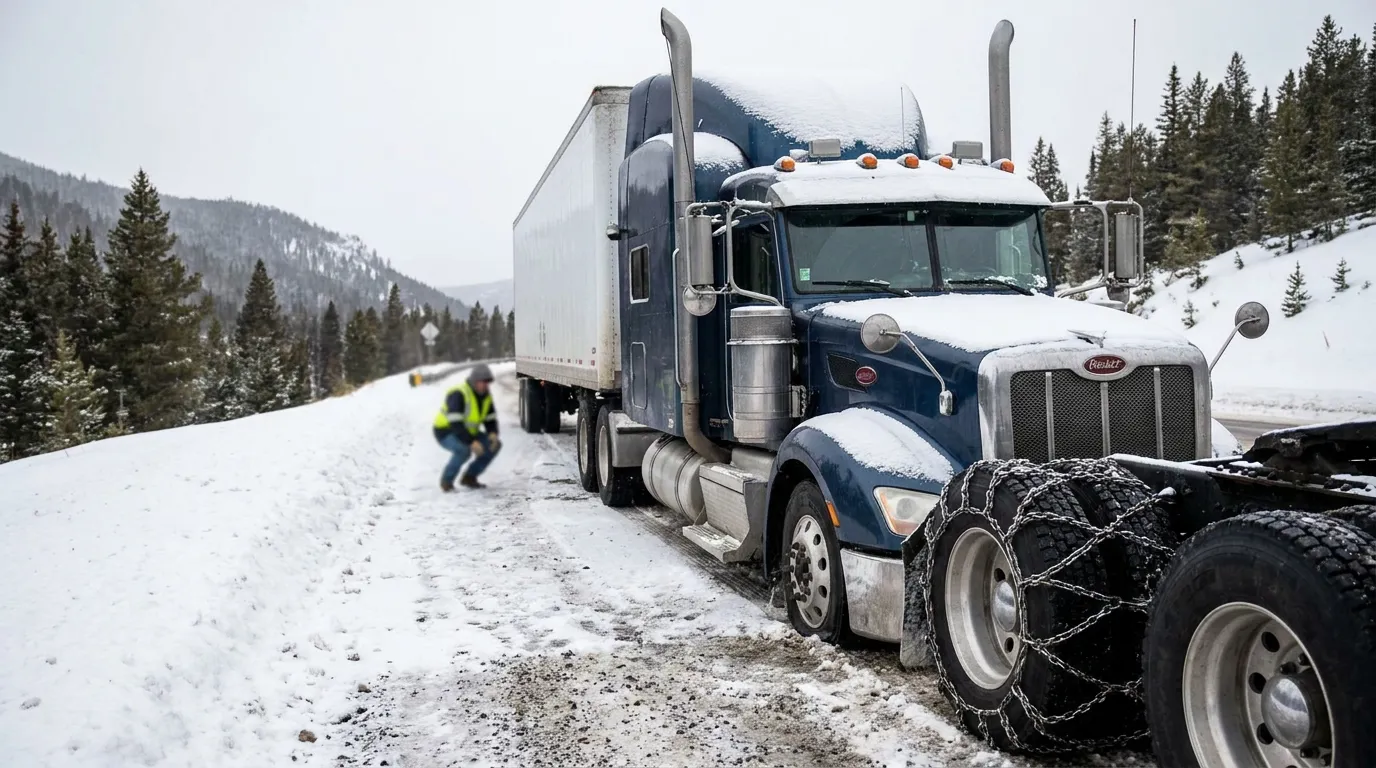
Your Right to Recover After a Centennial Rideshare Collision
Key Takeaways: Yes, a Centennial Uber crash victim can generally sue in Arapahoe County District Court, since Centennial lies within Arapahoe County and venue rules allow filing where the collision occurred. Uber liability depends on the driver’s app status at the crash time and vicarious liability principles under Colorado law. You must prove duty, breach, causation, and damages while identifying every responsible party. A statute of limitations sets a firm deadline that can bar your claim. Colorado’s modified comparative negligence rules reduce recovery in proportion to your fault and bar recovery entirely at 50 percent or more fault; available damages include economic losses, capped noneconomic losses, and impairment. Preserve evidence such as ride logs, trip receipts, and the police report promptly.
Yes, an injured rideshare passenger, pedestrian, cyclist, or driver can pursue a civil lawsuit after a Centennial Uber crash, and Arapahoe County District Court is typically the proper venue. Centennial sits within Arapahoe County, so personal injury cases tied to local collisions are typically filed there when jurisdictional rules are satisfied. The real questions are where, when, and against whom you sue, and how you prove negligence caused your harm. This article walks through those issues so you understand your options and protect your rights early.
If you were hurt in a rideshare wreck, the team at Jacobs Law is ready to listen. Call us at 303-529-4040 or reach out through our confidential case review form to discuss what happened. Acting promptly preserves evidence and deadlines your claim depends on.
Can You Sue Uber After an Accident in Centennial Colorado?
In many cases, you can, but the path depends on who was at fault and the driver’s status at the crash moment. A rideshare collision may involve claims against the at-fault driver, another motorist, or, under certain circumstances, the rideshare company itself. Under Colorado law (C.R.S. Section 13-21-111.5(1.5)), when an employer acknowledges vicarious liability for an employee’s negligence, a plaintiff’s direct negligence claims against the employer, such as negligent hiring or supervision, are not barred, allowing both respondeat superior and direct negligence claims to proceed simultaneously, though each defendant remains liable only for their proportionate share of fault. However, rideshare drivers are frequently classified as independent contractors rather than employees, which can make vicarious liability against the company harder to establish and often shifts focus to insurance coverage.
Whether a company is legally responsible often turns on the driver’s app status when the crash occurred. Coverage and liability differ depending on whether the driver was offline, waiting for a ride request, en route to a passenger, or actively transporting a rider. Because these distinctions are fact-heavy and frequently disputed, outcomes depend on specific evidence. Preserving the ride log, trip records, and police report early can make a meaningful difference.
💡 Pro Tip: Screenshot your Uber trip receipt and ride history immediately after a crash. These records help establish the driver’s on-trip status, which can be central to identifying correct insurance coverage.
Where a Centennial Rideshare Case Belongs
A civil suit arising from a Centennial crash is generally filed in Arapahoe County District Court because that is where Centennial is located and where the collision occurred. Venue rules allow filing where the incident happened or where a defendant resides. District courts handle civil disputes above the county court’s monetary threshold. If you are unsure about where to file an Uber lawsuit, an attorney can evaluate venue and jurisdiction.
Filing in the correct court matters because procedural missteps can delay or complicate your case. For a broader overview, our discussion of whether you can sue Uber Centennial residents’ options addresses common rideshare collision questions.
Proving Negligence After an Uber Crash
To recover in a Colorado negligence case, an injured victim must establish four core elements. The Colorado Jury Instructions confirm that a plaintiff must prove the existence of a legal duty, a breach of that duty, causation, and damages, drawing on United Blood Servs. v. Quintana, 827 P.2d 509 (Colo. 1992). Each element must be supported by evidence, and the absence of any one can defeat a claim.
Duty and Breach
A legal duty of care in Colorado generally arises when there is a foreseeable and unreasonable risk of harm to others. Colorado authority explains that a duty to use due care responds to a foreseeable and unreasonable risk of harm, citing Quintana, 827 P.2d at 519. A driver who runs a red light or follows too closely may breach that duty. Specialized doctrines can also apply, including negligence per se for violating a statute, sudden emergency, and res ipsa loquitur.
Causation and Damages
Even a clear breach does not create liability unless it actually caused your injuries. You must connect the defendant’s conduct to the harm and document the resulting losses. Medical records, imaging, and treatment histories often carry this burden. Courts consider specific facts, so thorough documentation strengthens the causation and damages picture.
Holding the Right Parties Accountable
Identifying every responsible party can expand available recovery sources. A rideshare crash may involve the Uber driver, a third motorist, or the company under vicarious liability theories. The core negligence doctrines are laid out in Colorado’s official civil jury instructions, which practitioners rely on when framing liability. Because multiple defendants can complicate fault allocation, careful early investigation is important.
Deadlines That Can Bar Your Claim
A statute of limitations sets the maximum time you have to file, and missing it can bar your lawsuit entirely. This deadline is the single most important timing factor determining whether a Centennial crash victim can still bring an Uber injury lawsuit in Colorado. A statute of limitations is a law specifying the maximum length of time allowed to initiate legal proceedings. Tort claims arising from motor vehicle use carry a limitations period of generally three years from the crash date under C.R.S. § 13-80-101, rather than the two-year period that applies to most other negligence claims, so confirm the applicable deadline for your facts early.
The filing window can be affected by related doctrines such as tolling. Colorado’s Legislative Council Staff explains that tolling factors can extend or alter the statute of limitations filing deadline in certain situations, though courts interpret such exceptions narrowly; statutes of repose, by contrast, generally may not be tolled. Tolling or a discovery rule does not apply automatically. You can review the state’s official summary of the statute of limitations rules for background, but treat any extension as fact-dependent rather than guaranteed.
It is also worth distinguishing civil deadlines from government administrative claim deadlines, which are separate and often shorter. If a public entity or public employee is involved, the Colorado Governmental Immunity Act generally requires written notice of claim within 182 days of injury discovery, and missing that notice can bar the claim.
How Comparative Negligence Shapes Your Recovery
Colorado applies modified comparative negligence and pro rata liability, so your own fault share can reduce what you recover, and can bar recovery altogether. These principles are reflected in §§ 13-21-111 and 13-21-111.5, C.R.S. Under modified comparative negligence, a court assigns fault percentages, and a plaintiff assigned partial fault recovers only the defendant’s share, but a plaintiff who is 50 percent or more at fault is barred from recovering anything. For example, if the defendant is assigned 60 percent fault and the plaintiff 40 percent, the plaintiff recovers only 60 percent of damages.
This doctrine reduces recoverable damages in proportion to each party’s degree of negligence, up to the 50 percent threshold at which recovery is barred entirely. Cornell’s legal reference describes comparative negligence as a principle courts use to reduce a plaintiff’s recovery according to the negligence each party contributed. The concept is explained in this overview of fault-based damage reduction. Fault allocation applies even when several defendants are involved.
Damages a Centennial Crash Victim May Pursue
Colorado allows recovery of several categories of losses, though some are subject to statutory limits. Recoverable damages commonly include:
- Economic losses such as medical bills and lost wages
- Noneconomic losses, including pain and suffering, capped under § 13-21-102.5, C.R.S.
- Physical impairment or disfigurement
- Aggravation of a preexisting condition under the "thin skull" doctrine
Colorado also prohibits duplicative recovery, so you cannot collect twice for the same harm. Instruction 6:14 confirms that multiple recovery is prohibited even when a plaintiff sues on alternative claims. Because the noneconomic damages cap and comparative fault both affect the final figure, projected recovery ranges should be treated as fact-specific. If you want a clear explanation, speaking with a rideshare accident attorney Centennial residents trust can help.
Frequently Asked Questions
1. Can I sue Uber directly, or only the driver?
It depends on the facts. You may have claims against the driver, another motorist, or the company under vicarious liability principles when a driver was acting within rideshare work scope, though independent-contractor status can make direct claims against the company more difficult. The driver’s app status at crash time is often decisive.
2. How long do I have to file an Uber accident claim in Colorado?
Deadlines are set by statute and can bar late claims. Tort claims from motor vehicle use generally must be filed within three years of the crash under C.R.S. § 13-80-101, and certain doctrines like tolling may apply only in limited circumstances. Confirm your specific deadline promptly.
3. Will my own fault reduce my compensation?
It can. Under §§ 13-21-111 and 13-21-111.5, C.R.S., a plaintiff assigned partial fault recovers only the defendant’s percentage, and a plaintiff who is 50 percent or more at fault recovers nothing. Fault allocation is decided by the court based on evidence.
4. What evidence should I preserve after a Centennial rideshare crash?
Preserve everything you can. Ride logs, trip receipts, the police report, photographs, witness statements, and medical records all help establish liability, causation, and damages. Gathering these early strengthens a potential rideshare lawsuit in Centennial.
5. Is there a limit on pain-and-suffering damages?
Yes, in negligence cases. Colorado caps noneconomic loss under § 13-21-102.5, C.R.S. The final award may also reflect comparative fault and the prohibition on duplicative recovery.
Moving Forward With Confidence
A Centennial Uber crash victim generally can sue in Arapahoe County District Court, provided the venue, timing, and negligence elements support the claim. Success depends on proving duty, breach, causation, and damages, identifying the right defendants, respecting the statute of limitations, and accounting for comparative fault. Because these issues are fact-sensitive, the outcome turns on the specific evidence you preserve and present.
If you are weighing whether you can sue Uber after an accident in Centennial Colorado, the attorney at Jacobs Law are here to help. Call 303-529-4040 or send us a message through our online contact page to schedule a conversation about your situation. The sooner you reach out, the sooner we can safeguard the evidence and deadlines your case depends on.