Understanding Digital Evidence in Centennial Rideshare Collisions
Key Takeaways: Uber GPS data reveals vehicle speed, route, timing, and driver app status at impact, helping prove fault in Centennial crashes. Colorado’s modified comparative negligence system divides fault by percentage and bars recovery if you are 50% or more at fault, making evidence quality critical. Act quickly to preserve trip receipts, scene photos, witness details, and police reports, as digital records can be overwritten or deleted. Rideshare crash claims carry a three-year filing deadline under C.R.S. § 13-80-101(1)(n), longer than the two-year deadline for other negligence claims. Confirm your timeline early and consult an attorney to protect your rights.
Yes, Uber GPS data can be a powerful tool for proving fault in a Centennial crash, though it rarely tells the whole story on its own. When you are injured as a passenger, pedestrian, cyclist, or another driver in a rideshare collision, the digital footprint left by the Uber app may reveal the vehicle’s speed, route, timing, and driver app status at impact. This information helps establish negligence and how responsibility should be divided. Because Colorado allocates fault by percentage, evidence quality shapes claim value.
Knowing how to preserve digital evidence after an Uber crash in Centennial is one of the most practical early steps an injured person can take. This article explains what Uber GPS data shows, how Colorado law uses it to apportion fault, and the deadlines affecting your recovery.
If you were hurt in an Uber Accident in Centennial, the team at Jacobs Law is ready to help. Call us at 303-529-4040 or reach out through our online case review form to discuss preserving critical evidence.
How Uber GPS Data Can Establish Fault After a Crash
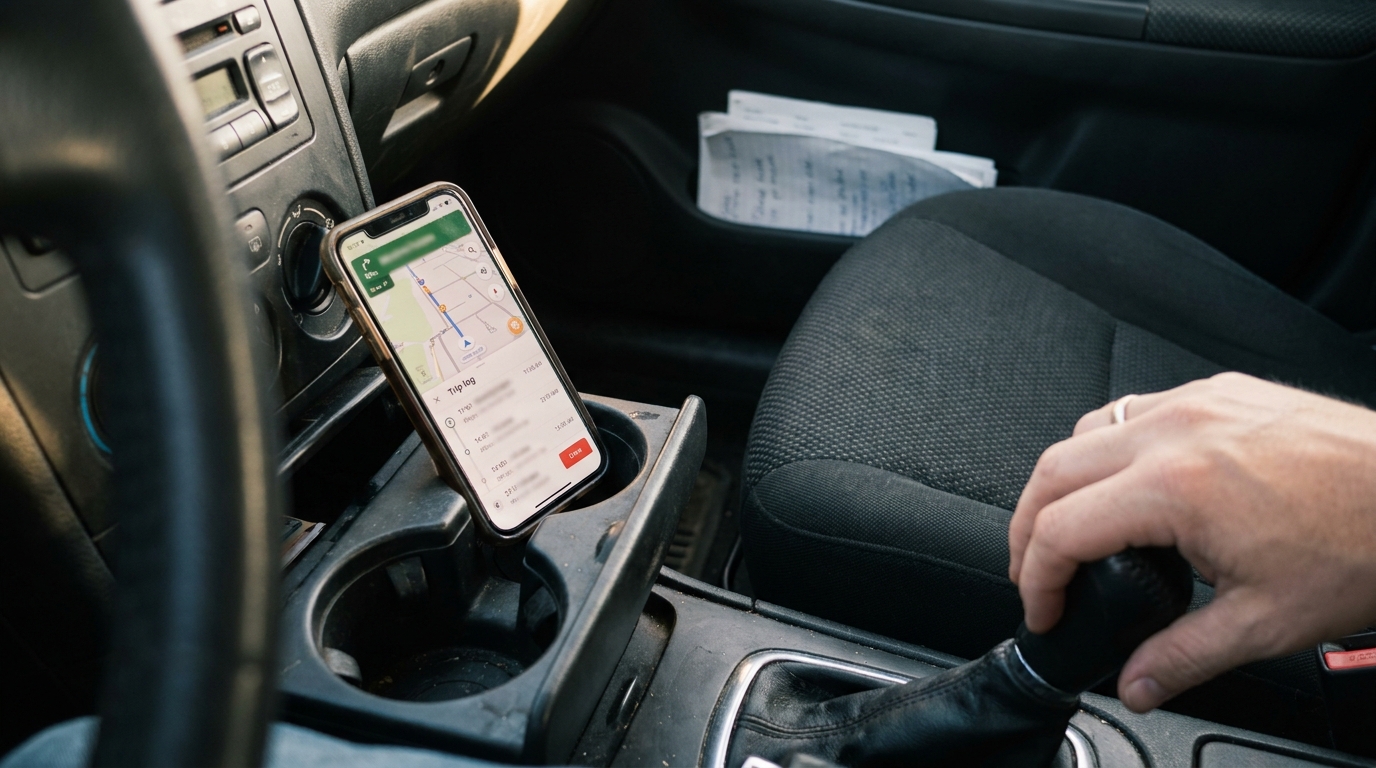
Uber GPS data is generated automatically every time a driver uses the app, creating a time-stamped record of vehicle movement. This data can include trip route, location pings, estimated speed, and whether the driver was logged in, waiting for a ride request, en route to pickup, or actively transporting a passenger. Each status carries different insurance implications, making pinpointing driver app status critical in rideshare claims.
Uber trip route records help reconstruct seconds before a collision. If telematics show a rideshare vehicle accelerating through an intersection or deviating from the expected route, that digital evidence can corroborate witness accounts and physical evidence. When paired with a police report, this rideshare accident evidence can distinguish contested claims from well-supported ones.
💡 Pro Tip: Screenshot your ride receipt and trip map immediately after a crash. The passenger app version may not be preserved indefinitely.
Why App Status Drives the Insurance Question
The driver’s status at impact determines which insurance coverage applies. Whether a driver was off-app, waiting for a request, or mid-trip changes available coverage limits. Because GPS and app logs document status with timestamps, this digital evidence in an Uber accident frequently decides which insurer is responsible.
Colorado’s Comparative Negligence Rule and Why Evidence Matters
Colorado follows a modified comparative negligence system, meaning an injured party’s partial fault does not bar recovery if that party is less than 50% at fault. Under C.R.S. § 13-21-111, a plaintiff found 50% or more at fault is barred from recovering, while a plaintiff below that threshold recovers damages reduced by their percentage of fault. This is why detailed evidence like GPS records carries significant weight.
Under comparative negligence principles, courts assign each party a percentage of fault that directly affects recovery. When an injured victim is partially at fault, a court assigns percentages to both sides. If a defendant is found 60% at fault and the plaintiff 40%, the plaintiff recovers only 60% of damages.
Fault rules vary significantly from state to state, so Centennial crash outcomes depend on Colorado’s specific approach. There are different forms of comparative negligence recognized across the United States. Colorado’s proportional, evidence-driven fault analysis makes solid digital evidence Uber accident records pivotal.
💡 Pro Tip: Because fault is divided by percentage, even minor evidence, such as a timestamp showing seconds of delay, can meaningfully shift your fault share.
How to Preserve Digital Evidence After an Uber Crash in Centennial
Knowing how to preserve digital evidence after an Uber crash in Centennial begins with acting quickly and documenting everything accessible. Digital records can be overwritten, deleted under retention policies, or become harder to obtain over time. Taking organized steps early protects proof needed to support a Centennial Uber crash claim.
Preserve these categories of rideshare accident evidence:
- Your Uber trip receipt, trip map, and any in-app messages or ride history
- Photographs and video from the scene, including vehicle positions and road conditions
- Names and contact information for passengers and independent witnesses
- The police report number and responding agency contact details
- Medical records and bills documenting injuries and treatment
A skilled attorney can also send a preservation request, sometimes called a spoliation letter, asking Uber and involved insurers to retain relevant data. Because rideshare companies control much of the underlying Uber GPS data, formal legal channels are often necessary for complete records. For a deeper walkthrough, our guide on how to preserve digital evidence after an Uber crash in Centennial offers practical detail.
💡 Pro Tip: Avoid giving recorded statements to any insurer before understanding your rights. Adjusters may use early statements to argue you share larger fault percentage.
Colorado Accident Reporting Duties and the Documentary Record
Colorado law imposes a statutory duty to report traffic accidents involving injury, serious bodily injury, death, or property damage. Under C.R.S. § 42-4-1606(1), the driver must give immediate notice to the nearest police authority. This official reporting framework creates a contemporaneous record that can be compared against the app’s GPS timeline.
The statute reinforces the role of on-scene investigation in establishing fault. Under C.R.S. § 42-4-1606(1), if directed by police, a driver must return to and remain at the scene until officers complete investigation. The state may also require supplemental reports and witness statements under C.R.S. § 42-4-1606(3), expanding the documentary record supporting telematics data.
Keep in mind that these administrative reporting duties are separate from any civil lawsuit you may bring, even though the records they generate can support that case.
Damages and Deadlines in a Centennial Uber Crash Claim
Once fault is established, Colorado law distinguishes between economic and noneconomic losses when calculating damages. Colorado’s pattern jury instructions address negligence cases with limitations on damages for noneconomic loss or injury under C.R.S. § 13-21-102.5. Recoverable categories include personal injuries, loss of consortium, aggravation of preexisting conditions, and property damage.
Colorado’s deadline for motor vehicle crash claims is three years, setting the baseline timeline for rideshare injury claims. While C.R.S. § 13-80-102 imposes a general two-year deadline for most negligence actions, it expressly carves out motor vehicle tort actions and directs them to the longer three-year period under C.R.S. § 13-80-101(1)(n). Courts interpret exceptions such as tolling or the discovery rule narrowly.
| Issue | What Colorado Authority Provides |
|---|---|
| Filing deadline | Three years for motor vehicle crash claims under C.R.S. § 13-80-101(1)(n) |
| Fault allocation | Percentage-based modified comparative negligence with a 50% bar |
| Damage categories | Economic and noneconomic loss under C.R.S. § 13-21-102.5 |
| Reporting duty | Immediate notice required under C.R.S. § 42-4-1606(1) |
Because deadlines and exceptions are fact-sensitive, confirm your specific timeline early. Missing the applicable limitations period can permanently bar an otherwise valid claim. If you have questions about Colorado rideshare liability and your filing window, speaking with a knowledgeable Colorado car accident lawyer can help you avoid costly mistakes.
💡 Pro Tip: Do not wait for treatment to finish before consulting counsel. Evidence preservation and deadline calculations often need to begin long before medical recovery is complete.
Frequently Asked Questions
- Can I get Uber GPS data myself after a crash?
How do I obtain the GPS records?
As a passenger, you can typically access your trip receipt and route map through the app, but complete telematics often require legal channels. Rideshare companies control detailed location and speed data, and obtaining the full record may require a formal preservation request or discovery in litigation. An attorney can help pursue these records.
- Does it matter whether the Uber driver was on a trip?
Why does app status affect my claim?
Yes, the driver’s app status determines which insurance coverage applies. Whether the driver was offline, waiting for a request, or actively transporting a passenger changes available coverage. GPS and app logs document status with timestamps, making this evidence critical.
- What if I was partly at fault for the crash?
Can I still recover damages?
Under Colorado’s modified comparative negligence approach, partial fault does not prevent recovery if you are less than 50% at fault. Your damages are reduced by your assigned percentage, and recovery is barred entirely if you are 50% or more at fault. Detailed evidence, including Uber trip route records, can help keep your fault share low.
- How long do I have to file an Uber accident claim in Centennial?
What is the deadline?
Claims arising from motor vehicle crashes, including rideshare collisions, generally must be filed within three years under C.R.S. § 13-80-101(1)(n), rather than the two-year deadline for other negligence claims. Some exceptions may extend or alter that period, but courts apply them narrowly. Confirming your specific deadline early helps protect your rights.
Protecting Your Rights After a Centennial Rideshare Crash
Uber GPS data can be decisive when proving fault in a Centennial crash, but its value depends on preserving it correctly and pairing it with strong supporting evidence. Colorado’s modified comparative negligence system rewards thorough documentation because fault is divided by percentage. From understanding driver app status to meeting the three-year filing deadline for motor vehicle crashes, each step you take to protect rideshare accident evidence strengthens your position.
If you were injured in a rideshare collision, the attorney at Jacobs Law are prepared to help you preserve evidence, identify responsible parties, and pursue the compensation Colorado law allows. Call 303-529-4040 today or contact us through our confidential consultation request to take the next step toward protecting your claim.