Understanding Your Filing Window After a Centennial Truck Crash
Key Takeaways: In Centennial, the three-year truck accident filing clock generally starts when your cause of action "accrues", typically the collision date when injury and cause become apparent. Colorado applies a three-year statute under C.R.S. § 13-80-101(1)(n), distinct from the standard two-year tort deadline. However, wrongful death claims carry a shorter two-year deadline from the date of death, the discovery rule may delay accrual when harm is not immediately obvious, and tolling can apply for minors or those under legal disability. Product-defect and failure-to-warn theories may fall under different deadlines, and government-owned truck claims carry separate notice requirements. Because C.R.S. § 13-80-101 contains "and not thereafter," deadlines landing on weekends or holidays are no longer pushed to the next business day per a Colorado Court of Appeals decision under Supreme Court review. Since courts interpret exceptions narrowly and evidence disappears quickly, early action is essential.
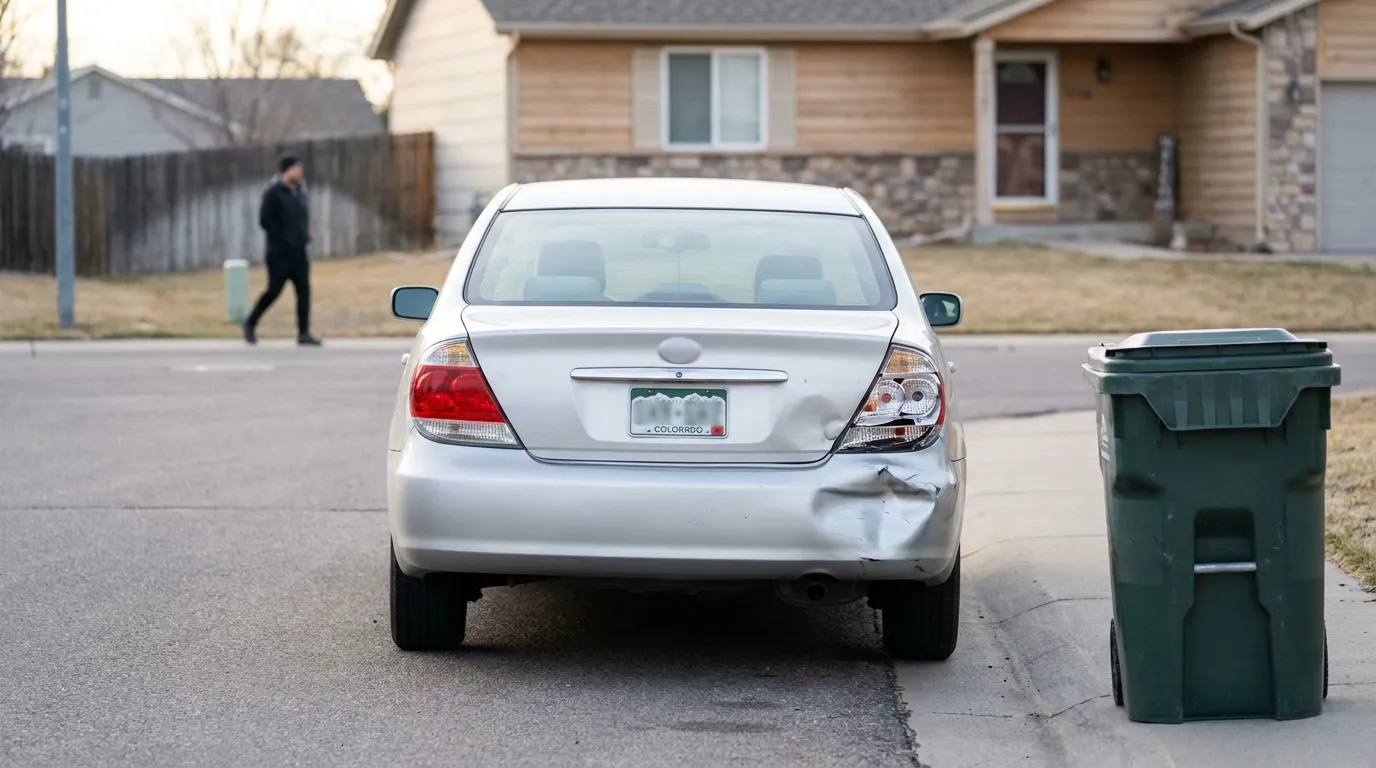
If you were hurt in a commercial truck collision in Centennial, you generally have three years from the date the cause of action accrues to file a lawsuit. Colorado treats motor vehicle claims differently from most injury cases, and the clock doesn’t always start on the crash date. Understanding when that clock begins can mean the difference between preserving your case and losing your right to recover.
If you have questions about your specific deadline, the team at Jacobs Law is ready to help. Call us at 303-529-4040 or reach out through our online contact form to discuss your situation before critical time limits pass.

The Colorado Truck Accident Statute of Limitations Explained
The Colorado truck accident statute of limitations for injury and property damage claims is three years, not the two-year period for most torts. Under C.R.S. § 13-80-101(1)(n), tort actions must be commenced within three years after the cause of action accrues, expressly including bodily injury or property damage arising from motor vehicle operation.
This three-year window is a deliberate carve-out. C.R.S. § 13-80-102(1)(a) explicitly excludes motor vehicle claims, routing them to the separate three-year track in section 13-80-101(1)(n). You can review the full text of the three-year motor vehicle limitation to see the statute’s structure.
| Type of Claim | Governing Statute | General Deadline |
|---|---|---|
| Motor vehicle / truck injury or property damage | C.R.S. § 13-80-101(1)(n) | 3 years |
| Most other tort actions | C.R.S. § 13-80-102(1)(a) | 2 years |
| Wrongful death (motor vehicle) | C.R.S. § 13-80-102(1)(d) | 2 years (4 years for vehicular homicide with leaving the scene) |
| Strict liability, absolute liability, failure to warn | C.R.S. § 13-80-102(1)(b) or § 13-80-106 | Different, often shorter period |
Not every truck-related claim uses the three-year rule. C.R.S. § 13-80-101(1)(n)(II) excludes actions for strict liability, absolute liability, or failure to instruct or warn, which fall under C.R.S. § 13-80-102(1)(b) or § 13-80-106. If a defective truck part is involved, a different and sometimes shorter deadline may control.
When Does the Clock Actually Start Running?
The filing clock starts when your cause of action "accrues." Colorado’s limitations statutes tie the deadline to when the cause of action accrues, and not thereafter. For most truck crash victims, accrual happens at or near the collision, when the injury and its cause become apparent.
The Accrual Rule for Injury and Property Damage
In a typical Centennial truck crash claim, accrual occurs when you know, or through reasonable care should know, both the injury and its cause. This usually aligns with the wreck date, meaning the three-year deadline generally runs from that day. Because severe truck-crash injuries are often immediately obvious, waiting to see how you heal can quietly erode your available time.
Wrongful Death and the Date of Death
When a truck crash victim later dies from their injuries, the wrongful death claim carries a shorter deadline that doesn’t necessarily start on the crash date. A wrongful death action arising from a motor vehicle crash must generally be commenced within two years under C.R.S. § 13-80-102(1)(d), and that period can extend to four years where the defendant committed vehicular homicide and left the scene. Under C.R.S. § 13-21-204, a wrongful death action is not complete until death occurs, so the limitation period begins at death. The wrongful death clock can begin when the damage or injury from the alleged negligence, from which death later results, becomes known or could have been discovered. These are fact-sensitive determinations requiring careful review.
The Discovery Rule and Its Limits
A discovery rule can, in limited circumstances, delay accrual until the injury or its cause is reasonably discoverable. This matters when harm is not immediately apparent, but Colorado courts interpret such exceptions narrowly. Timely filing remains essential, and commencing an action within the statutory time is treated as indispensable to the liability the wrongful death statutes permit. Because the discovery rule is fact-dependent, never assume it extends your deadline without legal guidance.
💡 Pro Tip: Write down the date of the crash, the date you first received a diagnosis, and the dates of any later complications. These dates help an attorney pinpoint when your clock most likely started.
Why Weekends and Holidays No Longer Extend Your Deadline
Don’t count on a Monday grace period if your deadline lands on a weekend or holiday. In Gomez v. Walker, the Colorado Court of Appeals held that many statutes of limitations are not extended when the period ends on a weekend or court holiday. The determining factor is statutory wording: the court reasoned that a Colorado limitations statute containing "and not thereafter" is not extended if the period expires on a Saturday, Sunday, or legal holiday. The Colorado Supreme Court has agreed to review this decision.
Because the motor vehicle statute uses that exact "and not thereafter" language, this ruling directly affects truck accident claimants. You can read more about this weekend deadline ruling and how it narrows the safety net many wrongly assume exists. Given the pending review, the safest course is to file well before the final day.
Exceptions and Special Situations That Can Change the Timeline
Several narrow circumstances can pause or shift the standard three-year deadline, though courts apply them cautiously. The following situations may affect your Centennial injury claim deadline:
- Minors and legal disability: The period under C.R.S. § 13-21-204 may be tolled by C.R.S. § 13-81-103 for persons under a disability, which can apply when children are among survivors or claimants in a fatal truck crash.
- Government-owned trucks: When a claim involves a public entity, the three-year deadline in C.R.S. § 13-80-101 governs. Separate administrative notice requirements apply, including written notice to the public entity within 182 days under the Colorado Governmental Immunity Act, a deadline distinct from and much shorter than the civil lawsuit deadline.
- Product and defect claims: Strict liability or failure-to-warn theories may carry a different, often shorter, limitation period under C.R.S. § 13-80-106.
These exceptions are not automatic. Colorado courts read carve-outs narrowly, and the burden falls on the claimant to show an exception applies. If you believe one of these situations fits your case, prompt legal review is critical.
Practical Steps to Protect Your Centennial Truck Crash Claim
Acting early does more than satisfy the deadline; it protects the evidence that proves your case. Commercial trucking claims often rely on records that can disappear without quick action. Consider these steps:
- Preserve police reports, photographs, and medical records tied to the collision.
- Request preservation of driver logs, DOT records, maintenance files, and electronic data recorder (black box) information before they are overwritten or discarded.
- Keep a file documenting lost wages, treatment costs, and ongoing symptoms.
Trucking companies and their insurers often begin building their defense within days of a crash. Preserving evidence early helps level the field. For additional context, our guide explaining whether you have three years to file a Centennial truck accident lawsuit offers more detail. You can also learn how our team approaches related collision matters by visiting our page for a Centennial Colorado truck accident lawyer.
Frequently Asked Questions
1. How long do I have to file a truck accident claim in Centennial?
Generally, the Colorado truck accident statute of limitations gives you three years from the date the cause of action accrues under C.R.S. § 13-80-101(1)(n). Certain claims and parties can alter that window, so confirming your exact deadline early is wise.
2. When does the statute of limitations start in Colorado?
The clock starts when the cause of action accrues, when you knew or reasonably should have known of the injury and its cause. The exact accrual date can be fact-dependent, especially where injuries or causes are not immediately apparent.
3. Does my deadline move to Monday if it falls on a weekend?
Generally, no. Because C.R.S. § 13-80-101 contains "and not thereafter," the Colorado Court of Appeals held in Gomez v. Walker that the deadline is not extended when it lands on a weekend or court holiday. That decision is under Supreme Court review, so the law may change, but treating the actual date as final and filing early remains safest.
4. Is the deadline different if my loved one died in a truck crash?
Often, yes. A wrongful death claim generally must be filed within two years under C.R.S. § 13-80-102(1)(d), and under C.R.S. § 13-21-204 that action is not complete until death occurs, so the two-year period may run from the date of death rather than the crash date.
5. Can the deadline ever be paused for a minor?
In limited circumstances, the period may be tolled under C.R.S. § 13-81-103 for persons under a legal disability, including minors. Courts apply tolling narrowly, so it should never be assumed without review.
Protecting Your Right to Recover
Understanding when the three-year clock starts is the foundation of any successful Centennial truck accident case. The default deadline under C.R.S. § 13-80-101(1)(n) is three years from accrual, but the shorter two-year wrongful death deadline, the discovery rule, public-entity notice requirements, product-defect theories, and the potential loss of the weekend grace period can all reshape that window. Because courts interpret exceptions narrowly, waiting to act carries real risk. The sooner your circumstances are reviewed, the more options you preserve.
Don’t let the truck accident filing deadline in Colorado quietly run out on your claim. Contact Jacobs Law today by calling 303-529-4040 or completing our confidential case review form so we can help you understand your deadline and next steps.