More Than 4,700 CO Truck Crashes in 2024: Need a Denver Lawyer?
Colorado’s highways witnessed a staggering reality in 2024: more than 4,700 truck crashes shook communities from Denver to Centennial and beyond. These collisions involving semi-trucks, 18-wheelers, and commercial vehicles left families devastated, victims facing mountains of medical bills, and survivors wondering how to hold negligent trucking companies accountable. With truck crash fatalities rising over 50% nationally in the past decade, understanding your legal rights after a collision has become critical for protecting your future and securing fair compensation.
If you or a loved one suffered injuries in a truck crash, Jacobs Law can help you navigate Colorado’s complex legal landscape. Call 303-529-4040 or contact us now to discuss your case with attorneys who understand the devastating impact of truck accidents.
Understanding Colorado’s Truck Crash Crisis
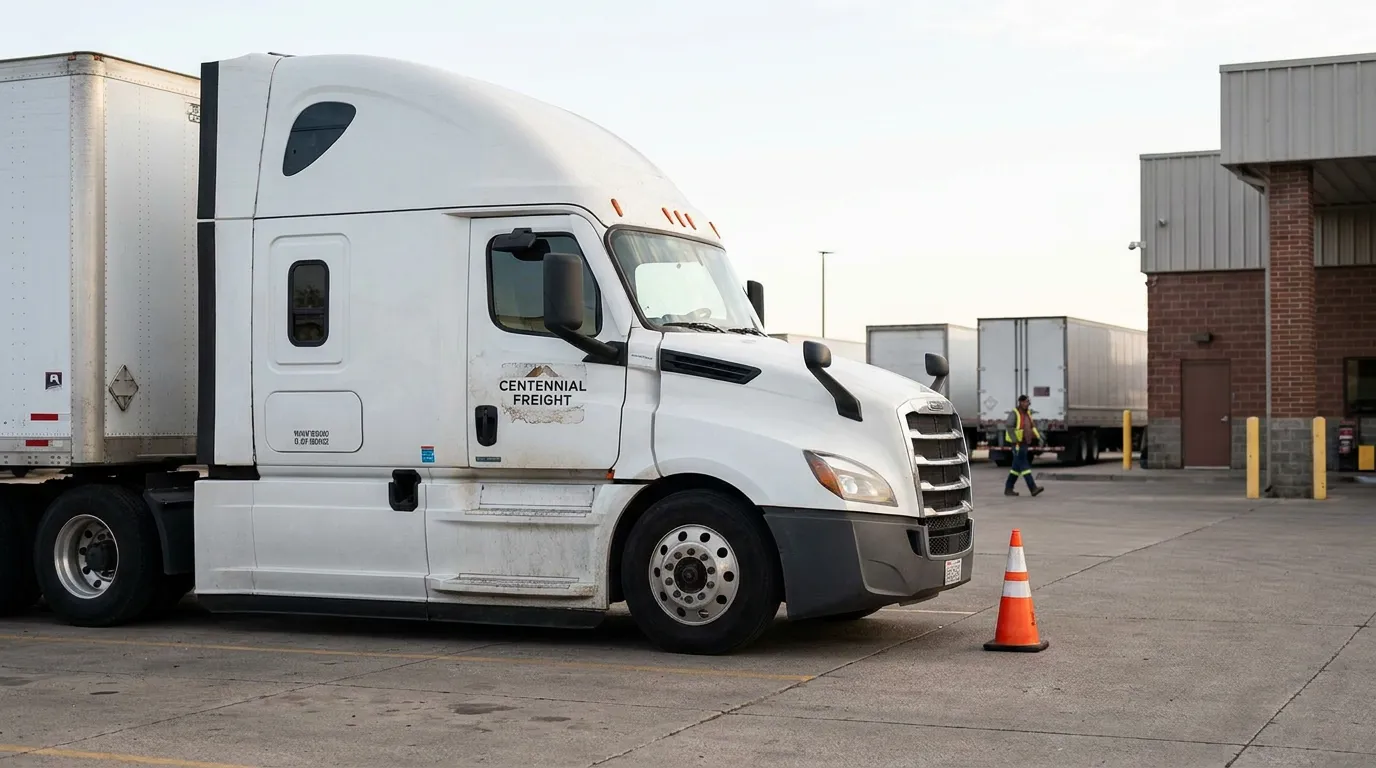
Truck crashes in Colorado represent far more than statistics. They’re life-altering events that demand immediate legal attention. The sheer physics involved when an 80,000-pound commercial truck collides with a passenger vehicle often results in catastrophic injuries or wrongful death. Unlike typical car accidents, truck crashes involve multiple potentially liable parties: the driver, trucking company, cargo loader, maintenance provider, and sometimes vehicle manufacturers.
Federal regulations govern commercial trucking operations, creating a complex web of rules that experienced attorneys use to prove negligence. Hours-of-service violations, inadequate vehicle maintenance, improper cargo loading, and driver fatigue frequently contribute to these devastating crashes. When trucking companies prioritize profits over safety, innocent motorists pay the price.
💡 Pro Tip: Always request the police report immediately after a truck crash. This document contains crucial information about citations issued, witness statements, and initial fault determinations that can strengthen your case.

Why a Truck Accident Lawyer in Denver Matters for Your Recovery
Securing fair compensation after a truck crash requires navigating Colorado’s comparative negligence system while battling well-funded insurance companies. Colorado’s jury instructions establish that plaintiffs must prove four critical elements: the defendant’s legal duty, breach of that duty, causation linking the breach to your injuries, and actual damages. This legal framework becomes particularly complex in truck accident cases where multiple parties may share liability.
Insurance companies representing trucking firms deploy aggressive tactics to minimize payouts, knowing that federal minimum coverage of $750,000 often falls short of covering catastrophic injuries. This outdated insurance minimum, unchanged since Congress set it in 1980, means victims frequently face coverage gaps when medical costs, lost wages, and long-term care needs exceed available insurance. Trucking companies may also self-insure under Colorado law, adding another layer of complexity to recovery efforts.
The trucking industry’s push for tort reform poses additional challenges for crash victims. Seven states have already enacted laws limiting victims’ ability to sue or capping compensation, and this trend could reach Colorado. These reforms often shield trucking companies from legitimate liability, reducing their financial incentive to invest in crash prevention measures.
Critical Evidence in Centennial Truck Collision Cases
Preserving evidence immediately after a truck crash can determine the success of your claim. Electronic logging devices (ELDs) are federally required on most commercial trucks, while dash cameras and GPS data are commonly used but not legally mandated; engine control modules are standard hardware. Together, these technologies provide crucial insights into driver behavior before impact. This digital evidence can reveal hours-of-service violations, speeding, hard braking events, or route deviations that establish negligence.
Physical Evidence That Builds Strong Cases
Documentation from the crash scene forms the foundation of successful truck accident claims:
- Skid marks indicating braking patterns and vehicle speeds
- Debris fields showing impact force and direction
- Cargo displacement revealing improper loading
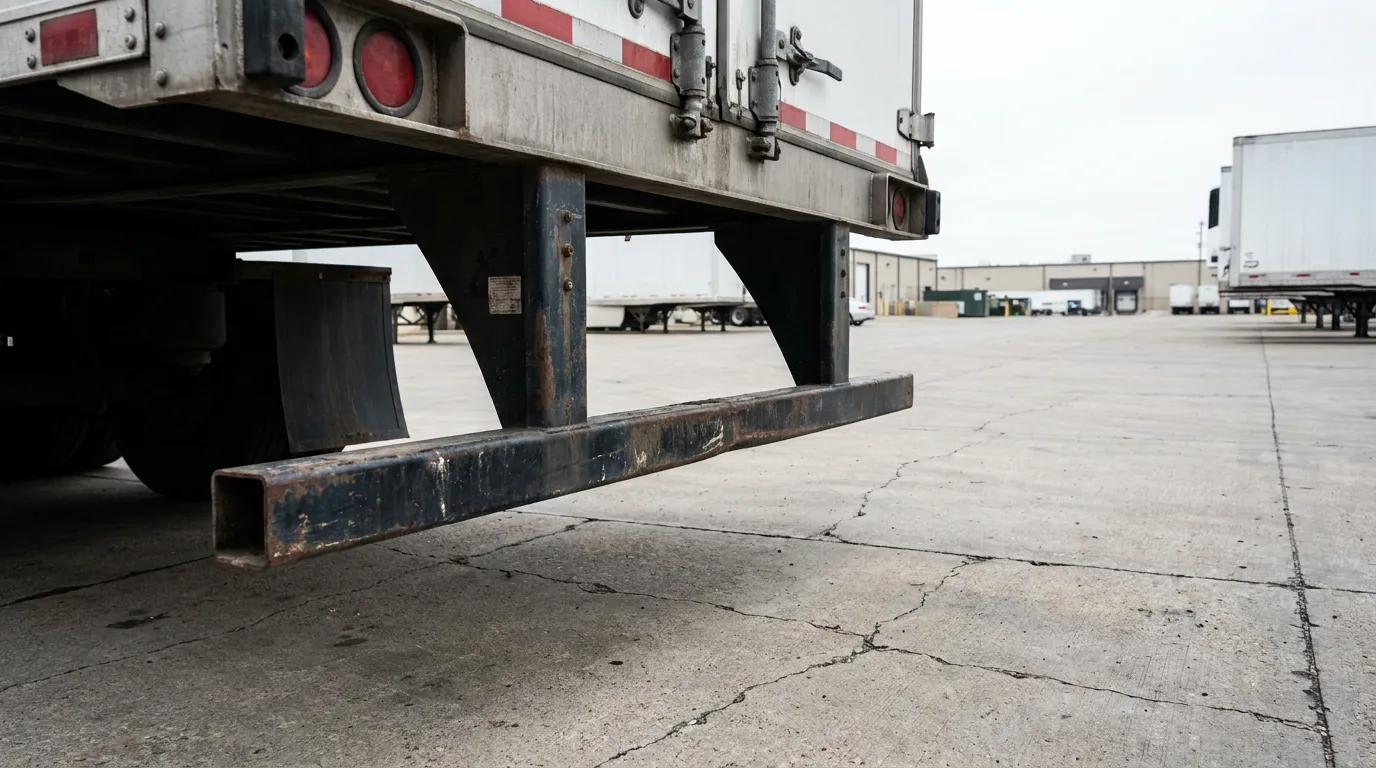
- Vehicle damage patterns demonstrating collision dynamics
- Road conditions affecting liability determinations
Medical documentation requires equal attention, as insurance companies scrutinize every treatment to challenge injury severity. Comprehensive records linking injuries directly to the truck crash help counter defense arguments about pre-existing conditions or unnecessary treatment.
💡 Pro Tip: Photograph everything at the scene if you’re physically able, including vehicle positions, road conditions, weather, traffic signs, and your injuries. These images become invaluable when memories fade and insurance companies dispute facts.
Colorado Truck Crash Statistics and Their Legal Implications
The surge in truck crashes across Colorado reflects national trends, with fatal collisions claiming over 5,000 lives annually nationwide. This represents a shocking 50% increase compared to a decade ago, highlighting the growing danger on our highways. For Centennial and Denver residents, these statistics translate into real risks during daily commutes on I-25, I-70, and local arterials where commercial trucks frequently operate.
Understanding crash patterns helps attorneys identify systemic safety failures within trucking companies. When carriers repeatedly violate safety regulations or push drivers beyond legal limits, patterns of negligence emerge that strengthen individual injury claims. Your truck wreck lawyer in Centennial can use this data to demonstrate how industry practices contributed to your specific crash.
Federal Regulations and Negligence Per Se
Violations of Federal Motor Carrier Safety Regulations can establish negligence per se under Colorado law. When truck drivers or companies break specific safety rules, like exceeding hours-of-service limits or failing to maintain vehicles properly, courts may find them negligent as a matter of law. This legal doctrine simplifies proving liability by eliminating the need to establish what a reasonable trucking company would have done.
Common regulatory violations that trigger negligence per se include:
- Driving beyond the 11-hour daily limit
- Falsifying logbooks to hide violations
- Operating vehicles with known mechanical defects
- Employing drivers without valid commercial licenses
- Failing to conduct required drug and alcohol testing
Navigating Insurance Claims After Semi-Truck Accidents in Denver
Initial insurance offers rarely reflect the true value of truck accident claims, particularly for severe injuries requiring long-term care. Insurance adjusters work to settle cases quickly and cheaply, often approaching victims before they understand their injuries’ full extent or consult legal counsel. Accepting these early offers can leave you without recourse when medical complications arise or permanent disabilities become apparent.
Colorado’s statute of limitations adds urgency to truck accident claims. While some states have reduced personal injury filing deadlines, with Florida recently cutting theirs from four years to just two, Colorado law still provides important protections for injured victims. However, government claims and certain procedural requirements may impose shorter deadlines that make prompt legal consultation essential.
💡 Pro Tip: Never give recorded statements to insurance companies without legal representation. Adjusters use these statements to twist your words and undermine your claim, especially when you’re still recovering from trauma.
Arapahoe County Truck Crash Complexities
Truck accidents in Arapahoe County present unique challenges due to the mix of urban and rural roads, varying speed limits, and heavy commercial traffic. The convergence of major highways with local streets creates dangerous conditions where large trucks interact with passenger vehicles, pedestrians, and cyclists. Understanding these local factors helps attorneys build stronger cases by demonstrating how specific road conditions or traffic patterns contributed to crashes.
Local ordinances and county-specific regulations may provide additional avenues for proving negligence. While federal regulations establish baseline safety standards, Colorado counties and municipalities often impose stricter requirements for commercial vehicles operating within their boundaries. Violations of these local rules can strengthen negligence claims and demonstrate a pattern of disregard for public safety.
The Role of Comparative Negligence in Colorado
Colorado’s comparative negligence system means your own actions may affect recovery, making skilled legal representation crucial. Under state law, juries apportion fault among all parties, including plaintiffs. If you’re found partially at fault, your compensation reduces proportionally. However, you can recover damages only if your fault is less than 50%; recovery is barred if your fault is 50% or greater.
Defense attorneys aggressively push comparative negligence arguments to reduce trucking company liability. They might claim you were speeding, following too closely, or distracted at the time of impact. Experienced truck accident attorneys anticipate these tactics and gather evidence to minimize your assigned fault while maximizing the trucking defendants’ liability.
Frequently Asked Questions
1. How long do I have to file a truck accident lawsuit in Colorado?
Colorado generally provides specific time limits for filing personal injury lawsuits after truck accidents. These deadlines vary based on claim types and defendants involved. Government claims often have much shorter filing requirements. Because missing deadlines can forever bar your recovery, consulting an attorney promptly protects your rights and ensures compliance with all applicable limitations periods.
2. What damages can I recover in a Colorado truck accident claim?
Truck accident victims may recover various damages including medical expenses, lost wages, future earning capacity, pain and suffering, and property damage. In cases involving willful and wanton conduct, such as drunk driving or extreme recklessness, additional damages may be available. Each case’s value depends on injury severity, impact on your life, and the defendant’s degree of fault.
3. Should I accept the trucking company’s insurance offer?
Initial settlement offers rarely account for long-term medical needs, permanent disabilities, or full economic losses from truck crashes. Insurance companies capitalize on victims’ immediate financial pressure and lack of legal knowledge. Before accepting any offer, understanding your injuries’ true extent and consulting legal counsel helps ensure fair compensation that covers all current and future needs.
4. How does Colorado’s comparative fault law affect my truck accident case?
Colorado’s modified comparative fault system allows recovery only if your fault is less than 50% (i.e., under 50%), but reduces compensation by your percentage of fault. For instance, if you’re deemed 20% at fault in a $500,000 case, you’d recover $400,000. Skilled attorneys work to minimize your assigned fault while proving the truck driver and company bear primary responsibility.
5. What if the truck driver was violating federal safety regulations?
Federal Motor Carrier Safety Regulation violations can establish negligence per se, meaning the trucker is considered negligent as a matter of law. Common violations include hours-of-service breaches, inadequate vehicle maintenance, and improper cargo loading. These violations significantly strengthen your case by eliminating debates about whether the trucker’s conduct was reasonable.
Protecting Your Rights After a Colorado Truck Crash
The aftermath of a truck accident brings overwhelming challenges: physical pain, emotional trauma, financial strain, and complex legal battles against well-funded opponents. With over 4,700 truck crashes impacting Colorado communities in 2024 alone, victims need advocates who understand both the human toll and legal complexities these cases present. The combination of rising crash rates, outdated insurance minimums, and aggressive insurance tactics makes securing experienced legal representation more critical than ever.
Don’t let trucking companies and their insurers minimize your suffering or shortchange your recovery. Jacobs Law stands ready to fight for the compensation you deserve while you focus on healing. Our attorneys understand the tactics trucking companies use to avoid liability after serious crashes and know how to build cases that protect your interests. Call 303-529-4040 today or contact us online to schedule your consultation and take the first step toward justice.