What Evidence Do Uber Accident Victims Need in Centennial?
If you were injured in an Uber accident in Centennial, Colorado, the strength of your claim depends on the evidence you gather and preserve. Rideshare collisions introduce layers of complexity that standard car accident cases do not, from shifting insurance coverage tied to the driver’s app status to multiple potentially liable parties. Whether you were a passenger, pedestrian, cyclist, or driver of another vehicle, knowing which records, reports, and documentation to secure can make or break your path to fair compensation. This guide walks you through the critical Uber accident evidence Centennial victims should prioritize.
If you have been hurt in a rideshare collision, Jacobs Law can help you understand your options. Call 303-529-4040 or contact us today to discuss your case.
Why Evidence Matters in a Centennial Uber Accident Claim
Strong evidence connects the at-fault party’s negligence to your injuries and financial losses. Without proper documentation, insurance companies may dispute liability, minimize your damages, or deny your claim altogether. Uber accident claims involve multiple insurance policies that depend on the driver’s status at the moment of the crash, which means your evidence must establish not only what happened but also when it occurred. Centennial Uber collision evidence gathered early preserves details that can fade or disappear over time, including digital records that rideshare companies may not retain indefinitely.
💡 Pro Tip: Create a dedicated folder on your phone or in cloud storage immediately after the crash. Save rideshare receipts, scene photos, witness contact details, and all medical documentation in one place so nothing gets lost.

Police Reports and Official Accident Documentation
The official police report is often the single most important piece of evidence in an Uber accident case. Under Colorado law, specifically C.R.S. § 42-4-1606, drivers involved in accidents resulting in injury, death, or significant property damage must give immediate notice to the nearest police authority. This requirement generates an official record that captures collision details while they are still fresh.
What Colorado Law Requires for Accident Reporting
Law enforcement officers who respond to the scene must submit their accident reports within five days, including insurance information from all drivers involved. These reports typically document road conditions, vehicle positions, witness statements, and the responding officer’s observations. For Uber accident claim proof, the police report can also note whether the driver was operating as a rideshare driver at the time. Failure to report an accident is a class 2 misdemeanor traffic offense in Colorado, which may serve as additional evidence of fault or negligence.
💡 Pro Tip: Always request the responding officer’s name and badge number at the scene. You will need these details to obtain a certified copy of the report for your claim.
App Records and Rideshare Data That Can Strengthen Your Case
Rideshare liability may shift between the driver and the platform depending on whether a ride was accepted or in progress at the time of the collision. This makes app-based records some of the most critical Uber crash documentation Colorado victims can obtain. Ride logs, GPS data, trip timestamps, and driver activity status all help establish which insurance policy applies and who bears financial responsibility.
Determining Driver Status at the Time of the Crash
The driver’s app status at the exact moment of the collision dictates the available insurance coverage. If the driver was offline, only their personal auto policy applies. If they were logged in and waiting for a request, Uber provides limited contingent coverage. Once a ride is accepted or a passenger is on board, Uber’s commercial policy, which can reach $1 million in liability coverage, generally activates. To build a strong case, victims should secure app records, delivery logs, dash footage, and witness statements to identify all liable parties and confirm the driver’s working status.
| Driver App Status | Insurance That Generally Applies | Why It Matters for Your Claim |
|---|---|---|
| Logged off | Driver’s personal auto policy only | Uber has no coverage obligation |
| App on, waiting for ride | Uber’s contingent liability coverage | Limited coverage; gaps may exist |
| Ride accepted or in progress | Uber’s $1 million commercial policy | Broadest coverage; UM/UIM included |
How an Uber Accident Attorney in Denver Evaluates Your Case
An experienced attorney reviews far more than the police report when building a rideshare injury claim. Investigators examine accident reports, scene photos, vehicle damage patterns, electronic data, traffic camera footage, and witness statements to piece together how the collision occurred. In cases involving multiple liable parties, such as another negligent driver, a vehicle manufacturer, or a government entity responsible for road maintenance, evidence must identify each party’s role in causing the crash.
Key Evidence Categories for Rideshare Claims
Victims pursuing a Centennial Colorado Uber injury claim should focus on gathering the following:
- Police report with the responding agency’s case number
- Screenshots or exports from the Uber app showing ride details and trip status
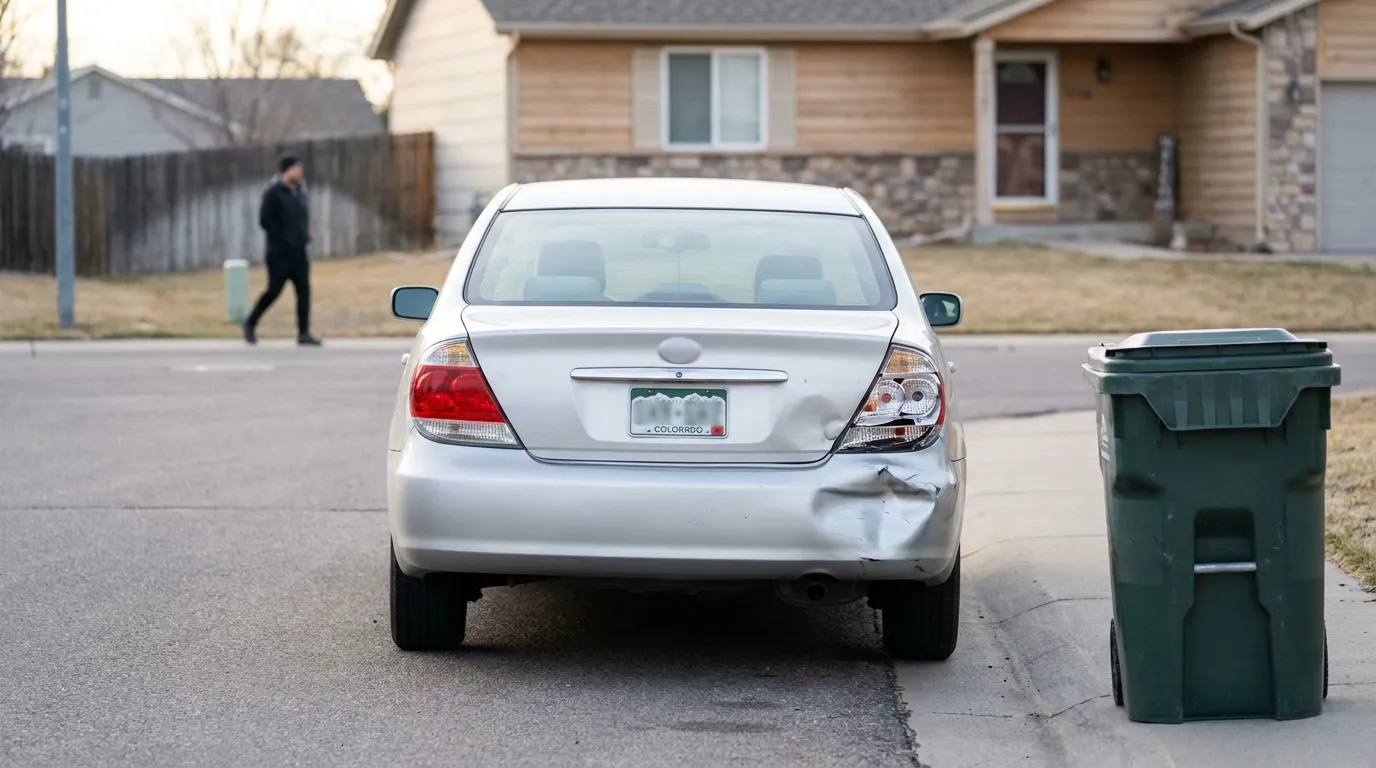
- Photos and video of the accident scene, vehicle damage, and visible injuries
- Medical records and bills documenting treatment from the date of the crash forward
- Witness names, phone numbers, and written or recorded statements
- Dash cam or traffic camera footage from nearby intersections or businesses
💡 Pro Tip: Request your Uber trip data through the app as soon as possible. Digital records may become harder to obtain over time, and your attorney can issue a preservation letter to prevent the company from deleting relevant data.
Insurance Documentation and Colorado’s UM/UIM Protections
Colorado law requires auto liability policies to include uninsured motorist (UM) coverage, which becomes essential when the at-fault driver carries no insurance or insufficient coverage. Under C.R.S. § 10-4-609, auto liability policies delivered in Colorado must provide UM coverage to protect insured persons entitled to recover damages from uninsured motorists, although the named insured may reject such coverage in writing. UM/UIM coverage in Colorado cannot be reduced by setoffs from other coverage sources, meaning victims should document all coverage types separately to maximize recovery.
Colorado HB22-1089 added further protections for rideshare passengers. This legislation requires transportation network companies or their drivers to secure uninsured motorist insurance of at least $200,000 per person and $400,000 per occurrence during prearranged rides. When the TNC is the named insured, it is prohibited from rejecting UM coverage during prearranged rides, ensuring riders maintain a protective safety net. Gathering your own insurance policy documentation alongside the rideshare company’s coverage details gives your Denver Uber accident lawyer the full picture needed to pursue every available source of compensation.
💡 Pro Tip: Do not assume that Uber’s insurance will automatically cover your losses. Request written confirmation of the applicable policy from Uber’s insurance carrier and provide it to your attorney for independent review.
Understanding Fault and Damages Under Colorado Law
Colorado follows a modified comparative negligence rule that directly affects how much compensation you may recover. If you are 49 percent or less responsible for the accident, you can still recover damages, but your compensation is reduced by your percentage of fault. Once your responsibility reaches 50 percent, recovery is generally barred. This makes preserving evidence of the other party’s negligence critical, especially when insurance adjusters attempt to shift blame onto the victim.
Colorado also recently updated its damages caps. Effective January 1, 2025, under HB24-1472, the state raised the cap on noneconomic damages to $1.5 million for civil actions filed on or after that date, with biennial inflation adjustments beginning in 2028. For wrongful death cases, the new cap stands at $2.125 million. These changes mean that victims with serious injuries may be entitled to substantially more compensation than under previous limits. If you need guidance on the steps after your Centennial Uber accident, acting quickly to preserve evidence protects your ability to recover under these updated thresholds.
💡 Pro Tip: Seek medical attention immediately, even if your injuries seem minor. Delayed treatment creates gaps in your medical records that insurance companies use to dispute the severity of your injuries.
Frequently Asked Questions
1. What is the most important evidence to collect after an Uber accident in Centennial?
The police report, app records confirming the driver’s trip status, photographs of the scene and vehicle damage, and medical records form the foundation of most claims. Witness statements and camera footage further strengthen your case by providing independent accounts of what happened.
2. How does the Uber driver’s app status affect my claim?
The driver’s app status determines which insurance policy covers your damages. If the driver had accepted a ride or was transporting a passenger, Uber’s commercial policy generally applies. If the driver was logged off, only their personal insurance applies, which may carry lower coverage limits.
3. Can I still recover compensation if I was partially at fault for the accident?
Under Colorado’s modified comparative negligence rule, you may recover damages if you bear 49 percent or less of the fault. Your compensation will be reduced proportionally by your share of responsibility. If your fault reaches 50 percent or more, recovery is generally barred.
4. What uninsured motorist protections exist for Uber passengers in Colorado?
Colorado law requires TNCs or their drivers to carry UM insurance of at least $200,000 per person and $400,000 per occurrence during prearranged rides. TNCs cannot reject this coverage while a driver is engaged in a prearranged ride, providing an important financial safety net for passengers.
5. How long do I have to file a claim after an Uber accident in Colorado?
Colorado generally allows three years to file a personal injury lawsuit arising from a motor vehicle accident, though certain circumstances may shorten or extend that timeline. Because evidence degrades and digital records may be deleted, consulting an Uber Accident Attorney in Denver promptly helps preserve your rights.
Take Action to Protect Your Centennial Uber Accident Claim
The evidence you collect in the hours and days following an Uber accident in Centennial lays the groundwork for your entire case. From police reports and app data to insurance documentation and medical records, each piece of Colorado rideshare crash records strengthens your ability to prove negligence, establish damages, and pursue full compensation. Do not wait for insurance companies to guide the process, as their goal is to minimize payouts rather than protect your interests.
If you or a loved one suffered injuries in a rideshare collision, Jacobs Law is ready to help you navigate the complexities of your claim. Call 303-529-4040 or reach out online to schedule a consultation and learn how our team can fight for the compensation you deserve.