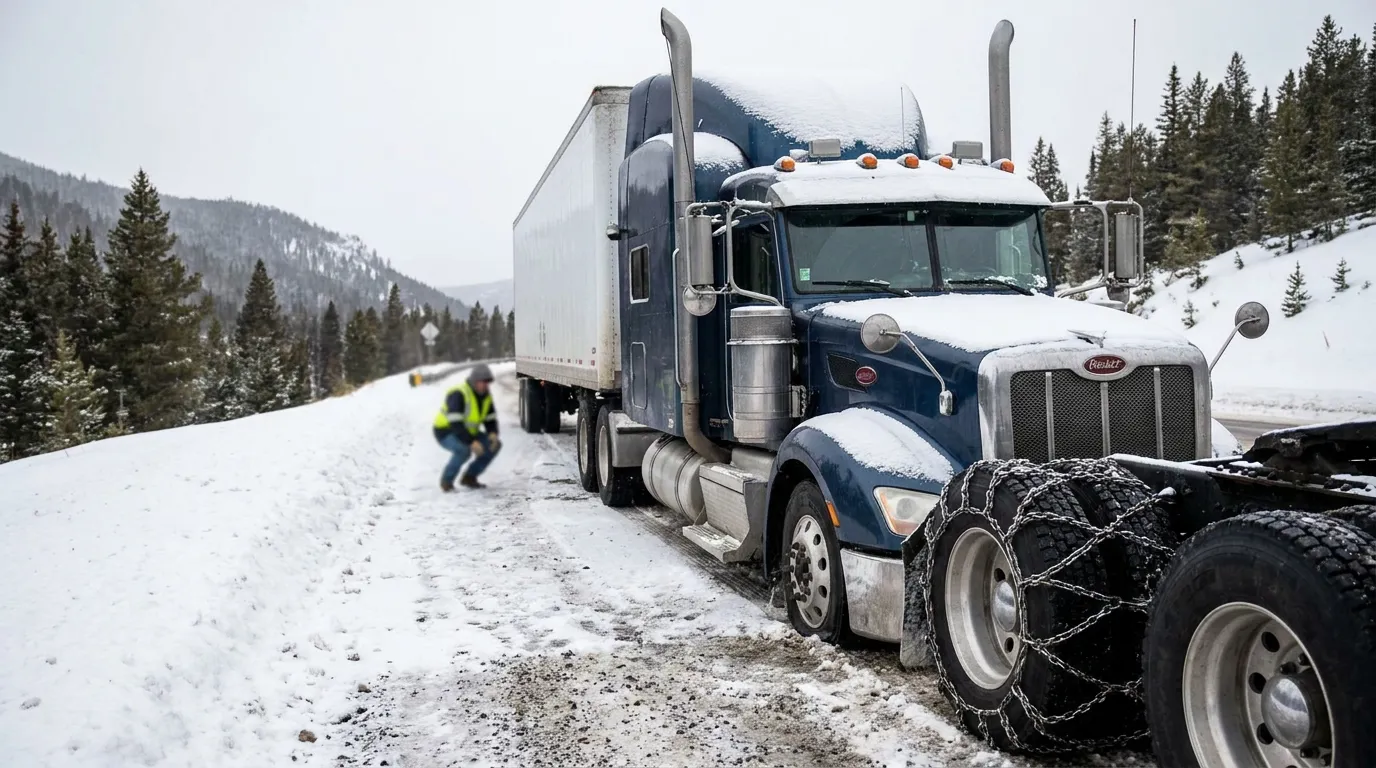
A truck accident in Centennial, Colorado, can leave you with serious injuries, mounting medical bills, and confusion about your legal rights. Whether struck by a semi on Arapahoe Road or involved in a collision near I-25, the steps you take after the crash can significantly shape your ability to recover compensation. Colorado law provides important protections for accident victims, but those protections come with strict deadlines and procedural requirements.
If you or a loved one has been hurt in a truck wreck in Centennial, Jacobs Law is here to help. Call 303-529-4040 or reach out online to discuss your case.
Immediate Steps to Take at the Scene of a Truck Collision in Centennial
Your safety and evidence preservation should be your top priorities following a crash. If physically able, move to a safe location away from traffic and call 911 immediately. Emergency responders will document the scene and generate a police report, which becomes critical evidence.
While at the scene, gather as much information as possible. Exchange insurance and contact details with the truck driver, and photograph vehicle damage, road conditions, skid marks, traffic signals, and visible injuries. Write down witness names and phone numbers. Fault is determined through police reports, photos, witness statements, traffic laws, road conditions, and medical records.
💡 Pro Tip: Use your phone to take a video walkthrough of the entire accident scene. Video captures spatial relationships between vehicles, debris patterns, and road conditions that photos alone may miss.

Why Truck Accidents Involve More Complex Regulations
Truck accident cases in Centennial differ from ordinary car crashes because commercial trucks are governed by both state and federal rules. Under Federal Motor Carrier Safety Regulations (FMCSR) Part 390 (49 CFR § 390.5), a commercial motor vehicle (CMV) is any vehicle used on a highway in interstate commerce with a gross vehicle weight rating of 10,001 pounds or more; or designed or used to transport more than 8 passengers (including the driver) for compensation; or designed or used to transport more than 15 passengers (including the driver) not for compensation; or used to transport hazardous materials in a quantity requiring placarding.
These federal regulations create additional obligations for trucking companies and drivers that can strengthen your claim. Federal rules (49 CFR § 382.303) require post-accident drug and alcohol testing for CMV operators involved in accidents that result in a human fatality regardless of citation status. For accidents that involve bodily injuries requiring immediate medical treatment away from the scene, or disabling vehicle damage requiring a tow, testing is required only if the CMV driver receives a citation for a moving traffic violation within the applicable time windows (8 hours for alcohol testing; 32 hours for drug testing). Motor carriers must also maintain under 49 CFR § 390.15 a register of all crashes from the past three years, including date, location, driver name, number of injuries or fatalities, and whether hazardous materials were released.
Hazardous Materials Incidents
If your truck accident involved hazardous materials release, additional reporting obligations apply. The carrier must complete a hazardous incident report per 49 CFR §§ 171.15 and 171.16. These reports can reveal whether the carrier was transporting materials in compliance with federal standards and may serve as evidence of negligence.
💡 Pro Tip: Request a copy of the trucking company’s crash register and driver qualification file early in your case. These federally mandated records can reveal patterns of unsafe behavior that strengthen your claim.
How Fault Is Determined After a Truck Accident in Centennial, Colorado
Colorado follows a modified comparative negligence rule that directly affects how much compensation you can recover. Under this framework, if your negligence is less than that of the person against whom you seek recovery, you may still recover damages, but your recovery is reduced by your percentage of fault. If your fault is equal to or greater than the other party’s, you cannot recover damages. Understanding Colorado’s comparative negligence rule is essential for pursuing a truck accident claim.
Shared fault is common in truck accidents, and multiple parties can each bear a percentage of responsibility. Evidence used to establish fault typically includes:
- Police reports and official crash documentation
- Photos and videos of vehicle damage and the scene
- Statements from drivers and witnesses
- Applicable traffic laws and road conditions
- Medical records showing the nature and extent of injuries
The Role of Electronic Data in Building Your Case
Modern commercial trucks carry electronic logging devices (ELDs) and event data recorders that capture valuable information. These devices record speed, braking patterns, hours of service, and other data leading up to the crash. Because trucking companies may overwrite or lose this data, your attorney should send a spoliation letter demanding its preservation immediately after the accident.
💡 Pro Tip: Ask your attorney to subpoena the truck’s maintenance and inspection logs. A history of deferred repairs or failed inspections can establish that the carrier knew about mechanical issues and failed to act.
Understanding Colorado’s Insurance Requirements for Truck Accident Claims
Colorado requires all automobile owners to carry liability insurance covering bodily injury and property damage when at fault. The state’s minimum liability coverage requirements are $25,000 per person and $50,000 per accident for bodily injury, plus $15,000 for property damage. However, commercial trucks operating under federal authority generally carry significantly higher policy limits.
| Coverage Type | Colorado Minimum |
|---|---|
| Bodily injury per person | $25,000 |
| Bodily injury per accident | $50,000 |
| Property damage per accident | $15,000 |
These minimums often fall short of covering catastrophic injuries common in semi truck accidents in Centennial. Traumatic brain injuries, spinal cord damage, and multiple fractures can generate medical costs far exceeding basic policy limits. A Denver truck accident attorney can help identify all available sources of recovery, including the trucking company’s commercial policy, umbrella coverage, and the driver’s personal policy.
Critical Deadlines: Colorado’s Statute of Limitations for Truck Accident Cases
Colorado imposes a three-year statute of limitations for personal injury claims arising from motor vehicle accidents under C.R.S. § 13-80-101(1)(n), while wrongful death claims must be filed within two years of the date of death under C.R.S. § 13-21-202. This means you generally have three years from the accident date to file a personal injury lawsuit, or you may lose your right to seek compensation. For wrongful death, the two-year clock runs from the date of death, not the accident date.
Tolling provisions may extend filing deadlines in certain situations, but courts generally interpret these exceptions narrowly. For example, the deadline may be tolled if the plaintiff is a minor or mentally incapacitated. However, you should not assume tolling automatically applies. These exceptions are fact-dependent, and failing to act within the standard deadline carries significant risk.
Why Acting Quickly Matters
Beyond legal deadlines, evidence deteriorates over time. Surveillance footage gets overwritten, witnesses forget details, and vehicle repairs may destroy physical evidence. If you have been in a truck crash in Centennial, learning about truck crash report timelines can help you understand how quickly you need to move.
💡 Pro Tip: Even if your injuries seem minor at first, see a doctor within 72 hours of the accident. Delayed symptoms are common in truck crashes, and early medical documentation creates a clear link between the collision and your injuries.
How a Truck Accident Lawyer in Denver Can Protect Your Rights
An experienced truck injury lawyer in Denver can handle the complex investigation, federal regulatory analysis, and insurance negotiations that truck accident cases demand. Unlike a standard fender-bender, a semi truck accident in Centennial may involve multiple liable parties, including the driver, carrier, maintenance contractor, or cargo loading company. Identifying every responsible party is critical to maximizing your recovery.
Your attorney can also protect you from common insurer tactics designed to minimize your payout. Insurance adjusters may request recorded statements, push for quick settlements, or argue that your injuries were pre-existing. Having legal counsel ensures your rights are protected.
What to Expect During the Legal Process
Most truck accident cases in Colorado begin with a thorough investigation and demand letter before any lawsuit is filed. Your attorney will gather police reports, medical records, trucking company documents, and electronic data to build a complete picture of liability and damages. If a fair settlement cannot be reached, your case may proceed to litigation.
💡 Pro Tip: Keep a daily journal documenting your pain levels, limitations, emotional state, and how your injuries affect your daily life. This contemporaneous record can be powerful evidence of non-economic damages like pain and suffering.
Frequently Asked Questions
1. What qualifies as a commercial motor vehicle in Colorado?
A CMV in Colorado includes any vehicle used on a highway in interstate commerce with a gross vehicle weight rating of 10,001 pounds or more; or designed or used to transport more than 8 passengers (including the driver) for compensation; or designed or used to transport more than 15 passengers (including the driver) not for compensation; or used to transport hazardous materials in a quantity requiring placarding. This definition, drawn from FMCSR Part 390, determines whether federal trucking regulations apply.
2. How long do I have to file a truck accident lawsuit in Colorado?
Colorado generally allows three years from the injury date to file a personal injury claim arising from a motor vehicle accident, and two years from the death date to file a wrongful death claim. While tolling provisions may apply in limited circumstances, such as when the plaintiff is a minor, courts interpret these exceptions narrowly. Consult an attorney promptly to ensure you do not miss critical deadlines.
3. Can I still recover compensation if I was partially at fault for the truck accident?
Yes, as long as your fault is less than the fault of the party from whom you seek recovery. Colorado’s modified comparative negligence rule allows you to recover damages reduced by your percentage of fault. If your fault is equal to or greater than the other party’s, you cannot recover.
4. What federal records should my attorney request from the trucking company?
Your attorney should request the carrier’s crash register (required under 49 CFR § 390.15), driver qualification files, drug and alcohol testing records, hours-of-service logs, and vehicle maintenance records. These documents can reveal regulatory violations and patterns of negligence that support your claim.
5. Does the truck driver need to receive a traffic citation for post-accident drug testing to apply?
Not always. FMCSA post-accident testing rules (49 CFR § 382.303) require testing regardless of citation only when the accident involves a human fatality. For accidents involving bodily injury with immediate off-scene medical treatment or disabling vehicle damage requiring a tow, testing is required only if the CMV driver receives a citation for a moving traffic violation within 8 hours (alcohol) or 32 hours (drugs) of the accident.
Taking the Right Steps Can Make All the Difference
A truck accident in Centennial can turn your life upside down, but taking informed action early gives you the strongest possible foundation for your claim. From preserving evidence and understanding federal trucking regulations to meeting Colorado’s filing deadlines, every step matters.
Jacobs Law is ready to stand by your side and fight for the compensation you deserve. Call 303-529-4040 today or contact us now to schedule a consultation and learn how we can help with your Centennial truck accident case.