When a Driver Forces You Off the Road and Vanishes: Your First Moves in Centennial
Key Takeaways: A phantom vehicle crash occurs when another driver causes a collision without contact and then disappears, leaving you to prove the other vehicle existed. Colorado’s uninsured motorist framework may allow recovery for unidentified vehicles, but no-contact claims often face heightened scrutiny and generally require independent corroboration. At the scene, Colorado law requires immediate notice to police under C.R.S. § 42-4-1606(1), rendering reasonable aid under C.R.S. § 42-4-1603(1), and reporting the crash yourself when no officer is present under C.R.S. § 42-4-1603(2). Explicitly request a police report, since officers may decline to investigate low-damage crashes unless asked. Photograph skid marks, debris, roadway configuration, and damage; collect witness contacts; record a description of the phantom vehicle; and identify nearby cameras. Prompt notice to your insurer, confirmation of your UM election, and early legal guidance may help protect a claim that can depend almost entirely on evidence gathered in the first minutes.
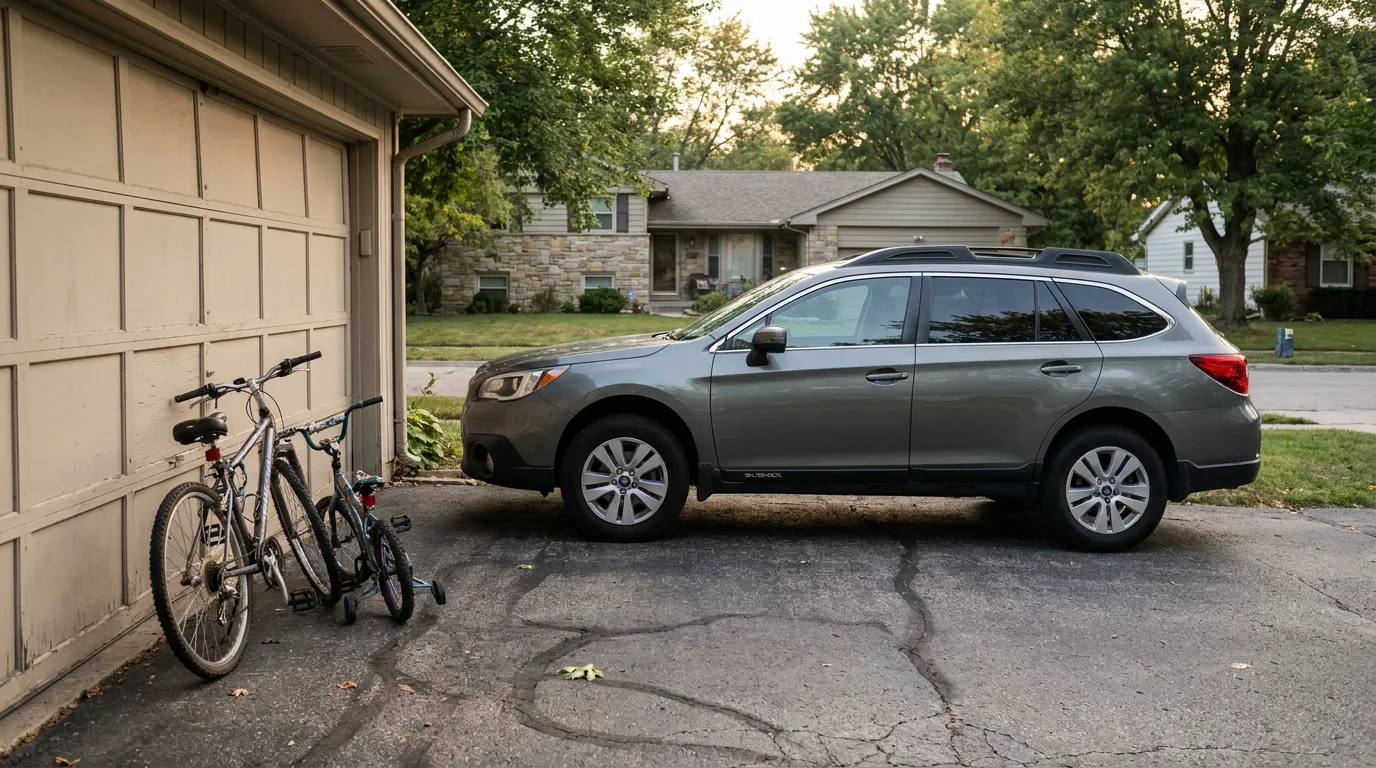
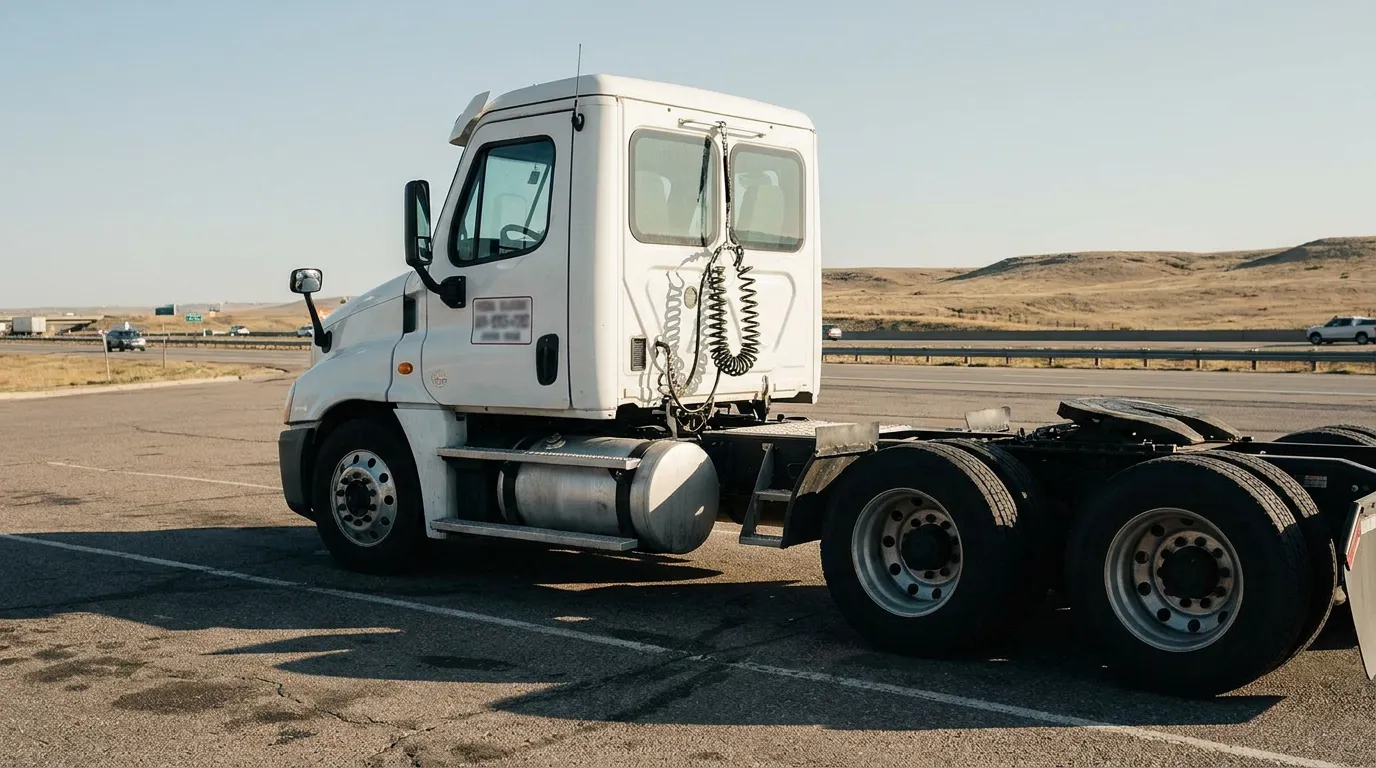
A phantom vehicle crash happens when another driver causes a collision without ever touching your car, then disappears, like a pickup that drifts into your lane on Arapahoe Road, forcing you into a guardrail, or a car that runs a red light at Smoky Hill and Himalaya and keeps going while you swerve into a curb. Because there’s no contact and no identifiable driver, proving another vehicle caused the crash generally falls on you, and the minutes spent at the scene can influence whether your insurer pays or denies your claim.
If you were injured in a no-contact crash anywhere in Arapahoe County, the team at Jacobs Law is available to review what happened and explain your options. Call 303-529-4040 or reach out to our team today to discuss your situation with a Centennial car accident attorney.
Why Phantom Vehicle Cases Are Treated Differently Under Colorado Law
Colorado’s UM framework generally contemplates recovery when an unidentified vehicle causes a crash. Colorado courts have interpreted C.R.S. § 10-4-609 to prohibit corroboration clauses in UM policies as void against public policy (Mavashev v. Windsor Ins. Co., 72 P.3d 469 (Colo. App. 2003)), though no-contact phantom vehicle claims may still face practical evidentiary challenges in establishing that an unidentified vehicle caused the crash. Your own account may not be enough on its own, depending on policy language and facts.
This is why scene documentation matters so much. In a typical two-car collision, the other vehicle, its damage, and driver statements all exist as evidence. In a phantom vehicle crash, none of that exists; witnesses, physical roadway evidence, and a prompt police report may be the only independent proof another vehicle was involved.
Insurers also retain some ability to apply policy terms to these claims. Under C.R.S. § 10-4-623(1), coverage described in section 10-4-620 "may be subject to conditions and exclusions that are not inconsistent with the requirements of this part 6." An insurer may generally enforce reasonable notice or cooperation conditions, while conditions conflicting with the statutory scheme may be unenforceable. Whether a particular condition applies is fact-specific and may require legal review.
Your Legal Duties at the Scene of a No-Contact Crash
Under C.R.S. § 42-4-1606(1), a driver involved in an accident resulting in injury, death, or property damage must "give immediate notice of the location of such accident and such other information" to the nearest police authority, and if directed, must "immediately return to and remain at the scene…until said police have arrived…and completed their investigation." This is the foundational step in any no-contact accident reporting scenario.
C.R.S. § 42-4-1603(2) addresses situations where there’s no one to exchange information with: when the specified persons aren’t in condition to receive information and no officer is present, the driver "shall immediately report such accident to the nearest office of a duly authorized police authority." A phantom vehicle scenario may fit within that gap, depending on the facts.
These are not optional courtesies. Under C.R.S. § 42-4-1606(6), violating this section "commits a class 2 misdemeanor traffic offense" (penalties periodically revised, so confirm current status). Leaving a scene without notifying law enforcement can create criminal exposure and undermine the record your UM claim depends on.
Rendering Aid to Injured Occupants
C.R.S. § 42-4-1603(1) requires drivers to provide identifying information and, where practical, to "render to any person injured…reasonable assistance, including…carrying…such person to a physician, surgeon, or hospital…if it is apparent that such treatment is necessary." If a passenger, cyclist, or pedestrian was hurt when you took evasive action, this duty may apply to you.
Building Your Phantom Driver Scene Checklist
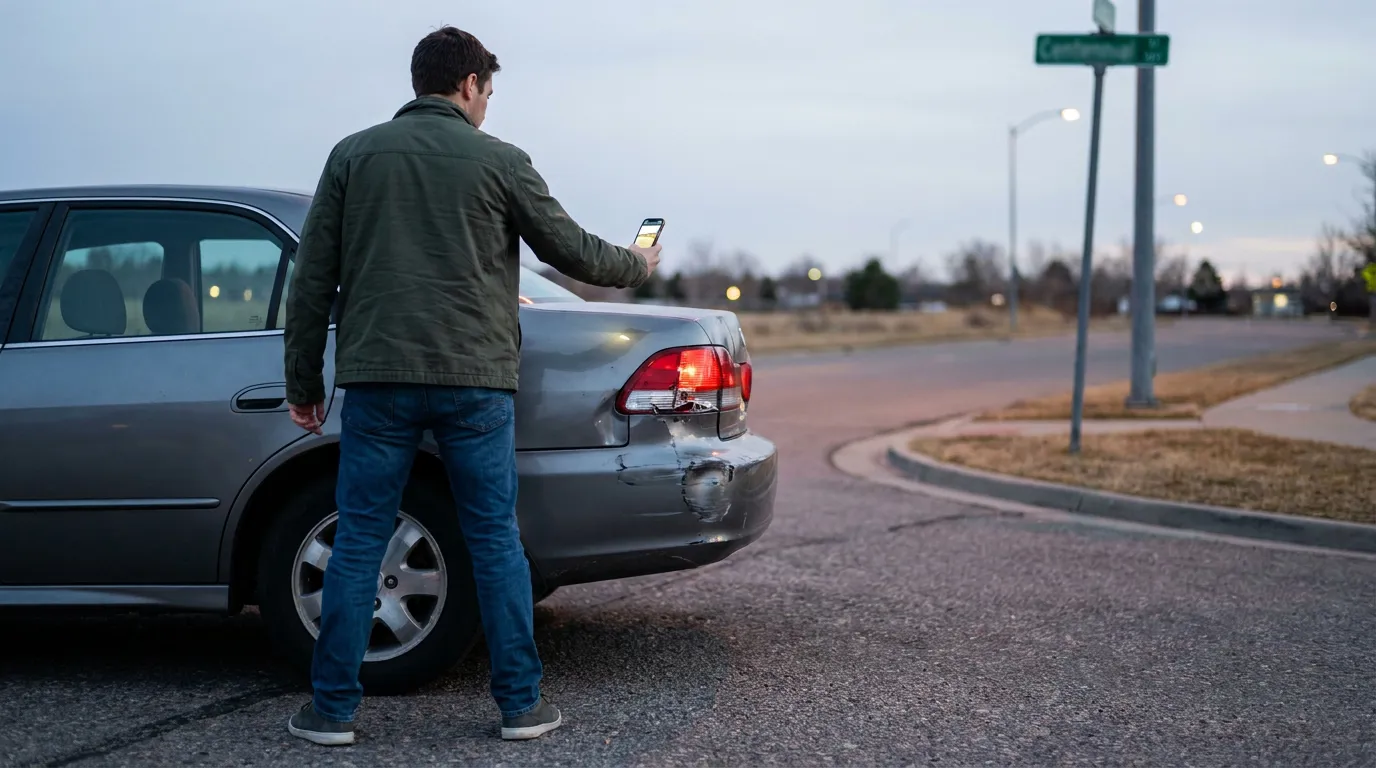
What you collect in the first thirty minutes can influence the outcome months later:
- Photographs of skid marks, gouges, debris fields, and your final resting position before vehicles are moved
- Wide shots showing lane configuration, signage, and sight lines
- Close images of all damage, including damage from striking a fixed object rather than a vehicle
- Names, phone numbers, and emails for every witness, with notes on their position
- A voice memo describing the phantom vehicle: color, body style, model, direction of travel, partial plate
- Nearby businesses, traffic cameras, doorbell cameras, or vehicles with dash cams
Witness information deserves special emphasis. Bystanders often leave quickly once it appears no one is seriously hurt, and there’s no other insurer independently locating them later. Our guide on documenting a crash scene covers photographs and notes that tend to hold up during a claim dispute.
💡 Pro Tip: Ask each witness one focused question before they leave: "Did you see the other vehicle?" Their answer, recorded in your voice memo with their name, may become the corroboration your insurer later requests.
Making Sure a Police Report Actually Gets Created
Under C.R.S. § 42-4-1606(4)(b)(I), an officer isn’t required to investigate or file a report if property damage doesn’t exceed one thousand dollars, "except that the officer shall complete an investigation and file a report if specifically requested to do so by one of the participants or if one of the participants cannot show proof of insurance." Ask clearly and on the record.
When officers do investigate, C.R.S. § 42-4-1606(4)(a)(I) directs them to submit reports within five days. That document may carry significant weight with adjusters evaluating whether a phantom vehicle was real, even though it’s not necessarily admissible in later litigation.
Why Prompt Reporting Matters More Than It Seems
Delay is a common self-inflicted wound in these cases. A report generated hours or days later, after discussing the crash with family and replaying it mentally, can invite arguments that your account evolved. Reporting from the scene, while dispatch logs the call time and officers observe physical evidence, produces a contemporaneous record harder to characterize as reconstructed.
| Scene Task | Why It Matters in a No-Contact Claim |
|---|---|
| Immediate call to police | Creates a time-stamped, contemporaneous record |
| Explicit request for a report | May be required under § 42-4-1606(4)(b)(I) for low-damage crashes |
| Witness contact information | Supplies the independent corroboration courts have scrutinized |
| Physical roadway photos | Preserves evidence erased once traffic resumes |
| Medical evaluation same day | Links injuries to the crash before insurers dispute causation |
What National Hit-and-Run Research Tells Centennial Drivers
Research from the AAA Foundation for Traffic Safety on hit-and-run crash trends, drawing on FARS and state crash data, reported that hit-and-run crashes increased substantially over the period studied. The research identified alcohol impairment and lack of a valid license as factors associated with fleeing.
Pedestrians and cyclists are overrepresented among hit-and-run victims relative to their share of all traffic crashes. If you were walking or riding in Centennial when a vehicle forced you down without touching you, the corroboration problem is similar, and photographs of your position, injuries, and the roadway can be equally important.
Protecting Your Phantom Vehicle Uninsured Motorist Claim Colorado Insurers May Dispute
Confirm your own UM election first. Colorado law doesn’t generally require insurers to keep re-offering coverage previously rejected in writing. Under C.R.S. § 10-4-623(3)(b), an insurer is deemed compliant with C.R.S. § 10-4-609(1) where the named insured rejected UM coverage in writing, and "such exclusion shall be continuing until such time as the insured requests that the insurer provide uninsured motorist coverage." Under C.R.S. § 10-4-609(2), renewals generally don’t revive coverage after written rejection, though a new policy or named insured can change that analysis.
Notify your own carrier promptly and stick to facts. UM claims are first-party claims, and policies commonly contain notice and cooperation conditions. Useful first steps include reporting the loss, providing the police report number, and preserving your vehicle in post-crash condition until inspected.
💡 Pro Tip: Request the incident or case number from the responding officer before leaving. Adjusters often ask for it during the first call, and having it may help signal a documented, corroborated loss.
Corroboration is evaluated case by case, and an experienced phantom vehicle uninsured motorist claim Colorado lawyer can assess whether your evidence supports your position. No lawyer can promise a result; the strength of any claim turns on the record built at and shortly after the scene.
Frequently Asked Questions
1. Do I really have a claim if the other car never touched mine?
Potentially, yes. Colorado’s UM framework contemplates recovery involving unidentified vehicles, but no-contact claims commonly face corroboration requirements in policy language. Whether your evidence satisfies that standard is fact-dependent.
2. What if police declined to write a report at the scene?
Under C.R.S. § 42-4-1606(4)(b)(I), an officer may decline to investigate certain low-damage claims but must file a report if specifically requested. If no report exists, you may still file a delayed report, though a contemporaneous record generally carries more weight.
3. Can my insurer deny the claim just because there were no witnesses?
An insurer may argue corroboration is unmet, though absence of eyewitnesses isn’t automatically dispositive. Physical evidence, dash cam footage, nearby surveillance, and the police report may all serve as corroboration depending on circumstances and policy language.
4. What happens if I previously rejected uninsured motorist coverage?
Under C.R.S. § 10-4-623(3)(b), a written rejection generally continues until the insured affirmatively requests the coverage. Reviewing your declarations page and any written election form is an important early step, since the validity of a rejection can itself be disputed.
5. How soon should I contact an attorney after a no-contact crash?
As early as practical. Witness memories fade, surveillance footage is often overwritten within days, and vehicle repairs can eliminate physical evidence, so early involvement may help preserve proof. Claim deadlines and policy notice conditions can also apply.
Bringing It Together After a Centennial No-Contact Collision
Phantom vehicle crashes place an unusual burden on the person harmed. Colorado law generally obligates you to give immediate notice to police under C.R.S. § 42-4-1606(1), render reasonable aid under C.R.S. § 42-4-1603(1), and report the crash yourself when no officer is present under C.R.S. § 42-4-1603(2). Meeting those duties while methodically documenting witnesses, roadway evidence, and vehicle descriptions may give your UM claim the independent support Colorado courts and insurers have historically looked for. Every case turns on its own facts, and there are no guaranteed outcomes.
If a vanishing driver left you injured and holding the evidentiary burden alone, Jacobs Law can help you evaluate your claim. Call 303-529-4040 or schedule your case review now to talk with a Colorado attorney about your next steps.
Disclaimer: This content is for informational purposes only and is not legal advice. Every case is unique, and results may vary. Consult an attorney about your specific circumstances.