When an Uber driver says the app was off after a crash, the claim does not necessarily end there, but the insurance picture may change. Under Colorado law, the driver’s Uber app status at the moment of impact generally decides which insurance policy applies and how much coverage is available. If the driver was truly offline, the claim usually goes through the driver’s personal auto policy. If the driver was logged in or on a trip, the commercial coverage Colorado requires for rideshare drivers may apply. A driver’s word alone generally does not settle the question. Rideshare companies keep records that can confirm or contradict a driver’s offline claim, and Colorado law requires them to cooperate with insurers looking into these claims.
If you were hurt in Centennial and the driver’s story about the app does not add up, legal help early on may protect your rights. Jacobs Law helps injured people in the Denver metro area look into rideshare crashes and pursue the coverage that may apply. Call 303-529-4040 or contact us now to talk about your situation.
Why Uber App Status Controls Which Insurance Pays
Colorado ties rideshare insurance rules to what the driver was doing on the app when the crash happened. Under C.R.S. § 40-10.1-604, coverage duties change depending on whether the driver was logged off, logged in and waiting for a request, or on a prearranged ride. A Colorado Law Review analysis describes these periods and explains how they decide whether personal or commercial insurance applies.
The Three Coverage Periods Under Colorado Law
The table below sums up how coverage generally works at each stage. Actual coverage can depend on the policy language, the facts of the crash, and how insurers read their duties.
| App Status | Primary Coverage Source | Colorado Minimums |
|---|---|---|
| App off | Driver’s personal auto policy | TNC requirements under C.R.S. § 40-10.1-604 generally do not apply |
| App on, no ride accepted | Driver’s endorsement, full-time coverage, or TNC corporate policy | $50,000 per person, $100,000 per accident, $30,000 property damage |
| Ride accepted or passenger on board | Primary liability coverage kept by the driver, the TNC, or both | At least $1 million per occurrence |
The gap between these tiers is large, which is why app status disputes matter so much. Under C.R.S. § 40-10.1-604(2), primary liability coverage of at least $1 million per occurrence must be in place from the time a driver accepts a ride request until the ride ends. The driver, the rideshare company, or both together can meet this rule. If the driver was only logged in and waiting, C.R.S. § 40-10.1-604(3)(b)(I)-(II) sets far lower minimums.
Where Logged-In Coverage Comes From
Coverage for the "app on, waiting" period may come from more than one source. Under C.R.S. § 40-10.1-604(3)(b)(III)(A)-(C), it can come from full-time coverage, an endorsement on the driver’s personal auto policy, or a corporate liability policy the rideshare company buys. Under C.R.S. § 40-10.1-604(3)(d), if the company buys the policy, it must file proof with the commission. If the driver buys it, the company must confirm that the driver did. Those records can help show which insurer may owe coverage.
What Happens If You Were Hit by an Uber Driver Who Says They Were Offline
If you were hit by an Uber driver who says the app was off, the claim generally starts with the driver’s personal auto insurance. When a driver is not logged into the app, the insurance rules in Colorado’s TNC statute generally do not apply, so the driver’s personal policy is usually the first place to look.
This is where an "insurance gap" can appear. Many personal auto policies exclude commercial or rideshare use. If the personal insurer argues the driver was really working, it may deny coverage. If the rideshare company argues the driver was offline, it may decline coverage too. You can end up stuck between two insurers, each blaming the other. You can read more in our post on Uber drivers who are off-app during a crash.
Timing may come down to seconds, such as whether the driver logged off just before the crash or accepted a ride request moments earlier. Courts and insurers may look closely at timestamps when deciding which coverage tier applies.
How a Driver’s Offline Claim Can Be Tested
A driver’s statement is generally not the only proof of app status. Under C.R.S. § 40-10.1-604(7), a transportation network company must cooperate with any insurer that also covers the driver’s vehicle when it looks into a claim, including giving the dates and times of a crash that happened while the driver was logged into the app. This duty runs to insurers, not injured people, so you or your lawyer may need to request the records through the claims process or, in a lawsuit, through discovery. The company’s own data can confirm or contradict what the driver says.
💡 Pro Tip: Write down exactly what the driver said about the app at the scene, including the time and any witnesses who heard it. You can later compare it with the company’s records.
Evidence That Can Help Prove Driver Status and Damages
A strong claim generally means saving proof of both app status and your injuries. The sooner you gather it, the less likely it is to be lost. Useful evidence often includes:
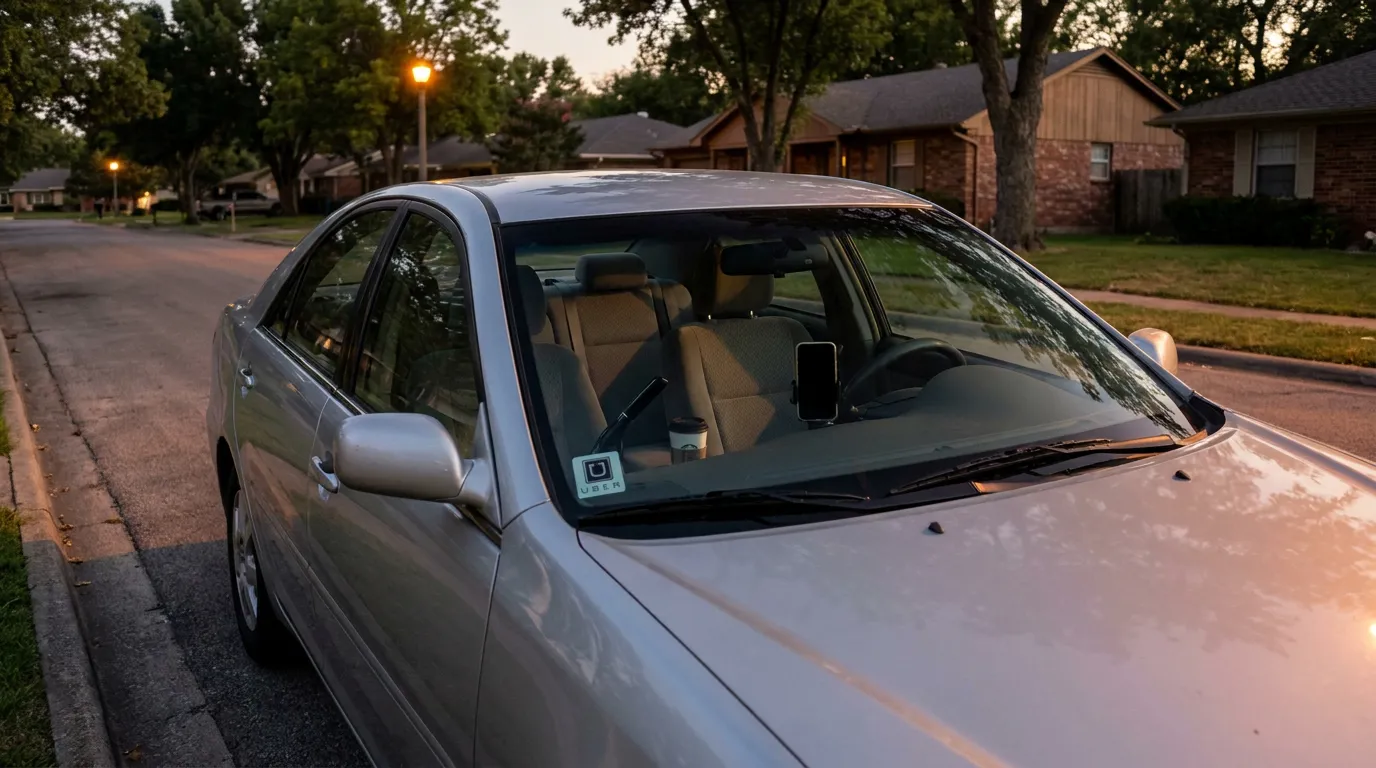
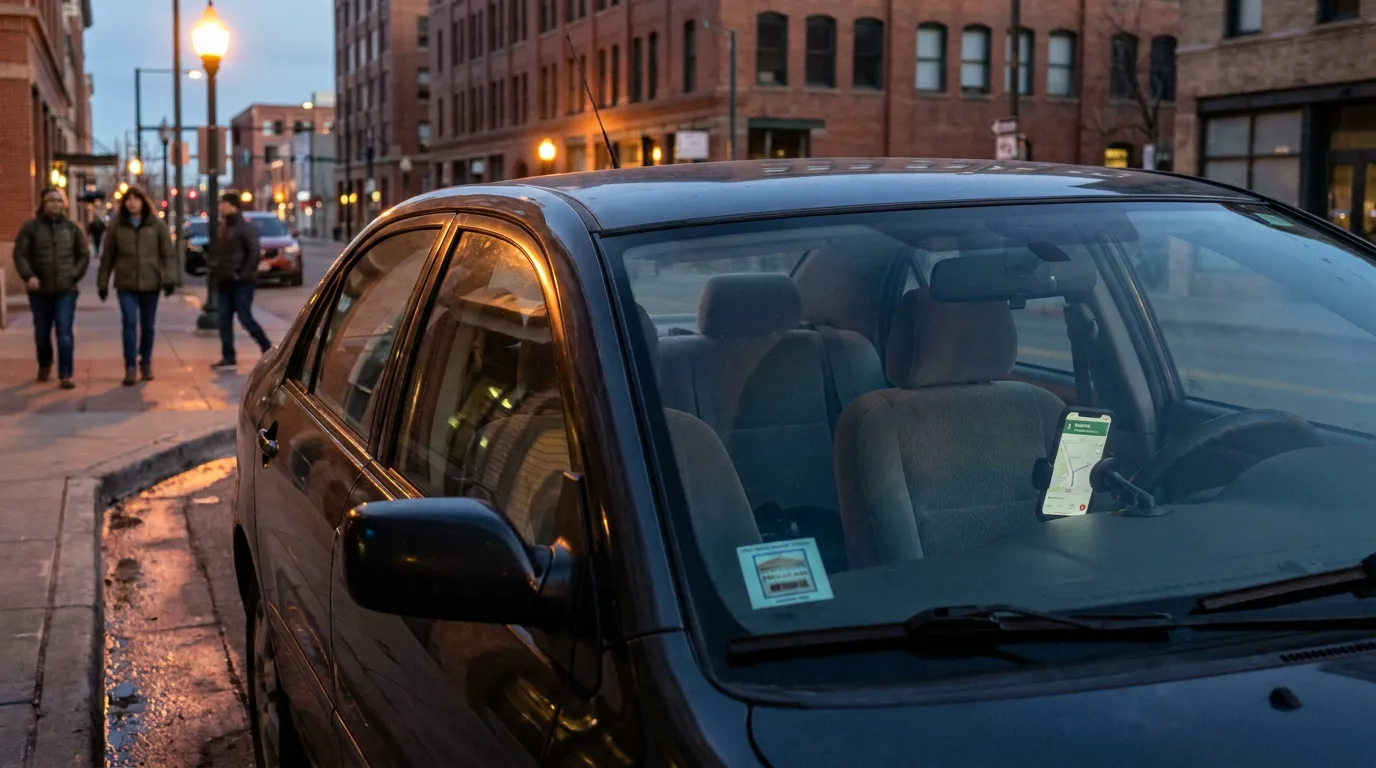
- Photos of the vehicles, including any Uber or rideshare decals, and the driver’s phone screen if visible
- The police report and the names of responding officers
- Witness names, phone numbers, and short statements
- Medical records, bills, and notes on your symptoms and treatment
- Pay stubs or employer letters showing lost wages
- A daily journal describing pain, limits on activity, and emotional effects
The rideshare company, not the driver, usually holds trip logs and login timestamps. A lawyer may send a letter asking the company to keep that data. To recover medical costs, lost income, and pain and suffering, you generally must prove that the driver was at fault and that the crash caused your injuries. Colorado’s comparative fault rules may also reduce or bar recovery if you were partly at fault.
Your Own Insurance May Help Fill the Gap
If the at-fault driver’s coverage is low, your own policy may help. Under C.R.S. § 10-4-609(1)(a)(I), Colorado auto policies must include uninsured motorist coverage unless the named insured rejects it in writing. Under C.R.S. § 10-4-609(4), that coverage includes underinsured vehicles. If an Uber driver says the app was off and has only minimal personal coverage, your UM/UIM benefits may help cover the shortfall, subject to your policy limits and terms.
Colorado also limits how rideshare companies handle uninsured motorist coverage they buy for drivers. Under C.R.S. § 10-4-609(1)(a)(II), a transportation network company that is a named insured may not reject that coverage for periods when the driver is on a prearranged ride.
💡 Pro Tip: Review your own declarations page soon after the crash. Knowing your UM/UIM limits early can shape which claims you pursue.
Colorado Deadlines You Cannot Afford to Miss
In Colorado, you generally must file a car crash injury claim within three years. Under C.R.S. § 13-80-101(1)(n)(I), lawsuits for bodily injury or property damage from the use or operation of a motor vehicle must be filed within three years after the claim arises. If you were hit by an Uber driver in Centennial, this is generally your deadline to sue the at-fault driver, no matter what the driver says about the app. Other claims, such as wrongful death claims, may have different deadlines. The Colorado Legislative Council publishes an overview of Colorado statutes of limitations for general reference.
A three-year limit also generally applies to some insurance claims. Under C.R.S. § 13-80-101(1), Colorado’s general three-year statute of limitations applies to both categories of claims, though they are listed in separate subparagraphs: claims under the Motor Vehicle Financial Responsibility Act fall under subparagraph (1)(i), while claims under Part 6 of Article 4 of Title 10, which includes UM/UIM coverage, fall under subparagraph (1)(j); both generally carry a three-year limitations period. UM/UIM claims have their own timing rules and policy notice terms, so check those early. Claims against government bodies generally require written notice within 182 days of discovering the injury under the Colorado Governmental Immunity Act.
How an Uber Accident Lawyer Can Help
A lawyer can look into app status, find every possible source of coverage, and deal with insurers for you. An experienced Uber accident lawyer may help you get the records needed to test a driver’s offline claim and add up your full losses. Every case depends on its own facts, and no result can be promised.
Frequently Asked Questions
1. Can I still recover compensation if the Uber driver was really offline?
Possibly. If the driver was offline and at fault, the claim generally goes through the driver’s personal auto policy. If that coverage is not enough, or the driver has none, your own UM/UIM coverage under C.R.S. § 10-4-609 may help.
2. How can anyone prove whether the app was on?
Rideshare companies keep login and trip data. Under C.R.S. § 40-10.1-604(7), they must cooperate with insurers looking into claims. Injured people may need to get those records through the claims process or through discovery in a lawsuit.
3. How much coverage applies if the driver was logged in but waiting?
Under C.R.S. § 40-10.1-604(3)(b), the minimums are $50,000 per person and $100,000 per accident for bodily injury, plus $30,000 for property damage. Actual policies may have higher limits.
4. What if the driver was carrying a passenger?
Under C.R.S. § 40-10.1-604(2), primary liability coverage of at least $1 million per occurrence generally applies from the moment the driver accepts a ride request until the ride ends.
5. How long do I have to file a lawsuit in Colorado?
Generally three years for car crash injury claims under C.R.S. § 13-80-101(1)(n)(I). A few exceptions apply, and claims against government bodies have shorter notice deadlines.
Protecting Your Claim When the App Story Changes
A driver’s claim that the app was off can change which insurer pays, but it generally does not decide your claim on its own. Colorado’s tiered coverage rules, the rideshare company’s duty to cooperate with insurers, and your own UM/UIM coverage all affect what you may recover. Saving evidence, getting medical care, and tracking the three-year deadline can help protect your options.
If the driver’s account of the crash does not match what you saw, now is the time to get answers. Jacobs Law can review your Centennial rideshare crash and explain your next steps. Call 303-529-4040 or schedule your consultation today.
Disclaimer: This content is for informational purposes only and is not legal advice. Every case is unique, and results may vary. Consult an attorney about your specific circumstances.