How Colorado Holds Vehicle Owners Responsible When Family Members Cause Crashes
Key Takeaways: Colorado’s family car doctrine lets crash victims seek payment from a vehicle’s owner, not just the family member driving, when the owner kept the car for family use and the driver had permission. Colorado courts have applied this rule for about a century, including in a 1927 Colorado Supreme Court decision that still binds Colorado courts. For drivers under 18, C.R.S. § 42-2-108 generally makes the adult who signed the teen’s affidavit of liability jointly and severally liable for the teen’s negligence, with some exceptions. This lasts until the teen turns 18 or the signer gets a release. Colorado’s operator’s policy rules under C.R.S. § 10-4-640 can also make owners liable when a driver without proper insurance crashes a car insured under an operator’s policy. Victims generally have three years to file a car crash lawsuit, but some claims have shorter deadlines. Gather evidence about ownership, permission, and insurance early.
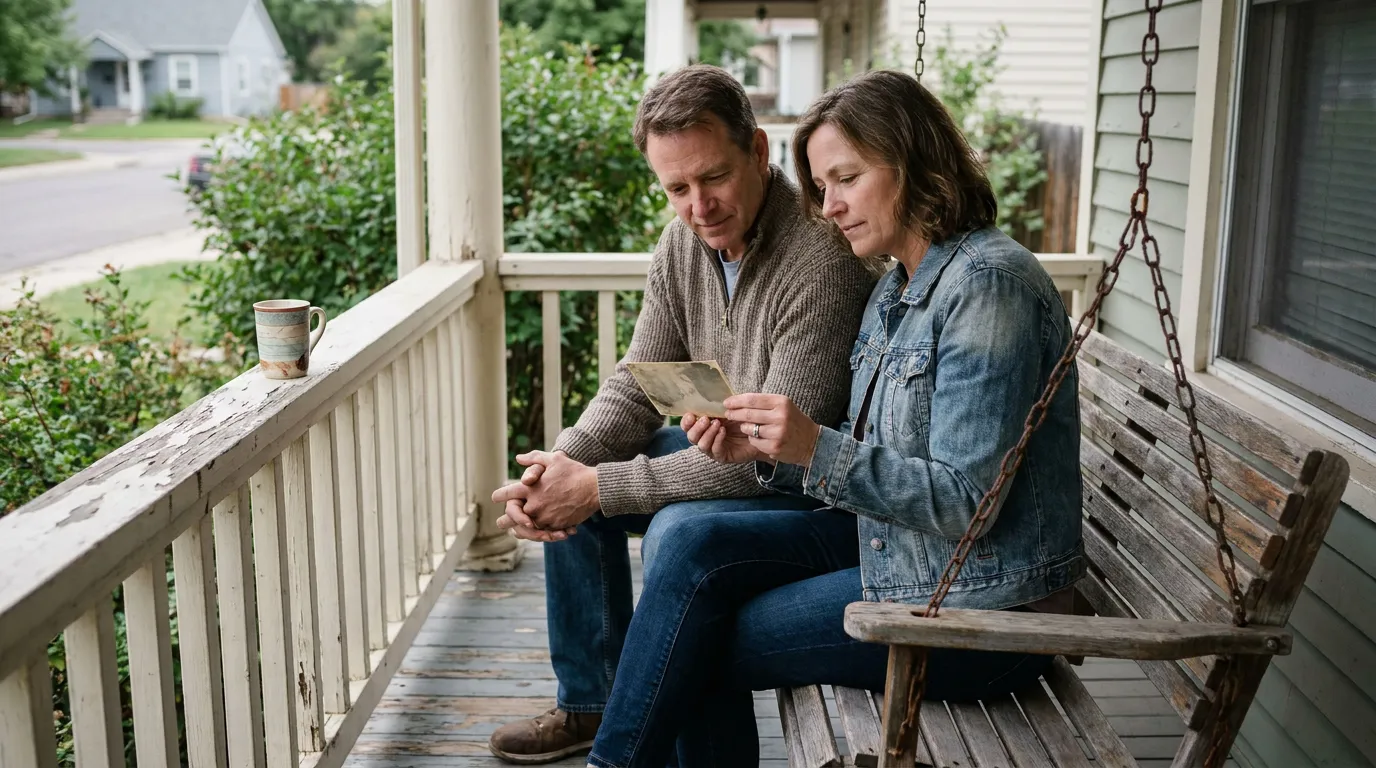
The family car doctrine lets an injured person in Colorado seek compensation from the owner of a vehicle, not just the family member who was driving it. The rule generally applies when the owner kept the car for family use and a family member drove it with the owner’s permission. For crash victims in Centennial, this can matter a great deal. A teen or young adult driver may have little money and limited insurance, while the parent who owns the car may have more coverage. Colorado law may also make adults who sign a teen’s affidavit of liability responsible for that teen’s driving.
If a family member driving someone else’s car injured you, Jacobs Law can help you find out who may be legally responsible. Call 303-529-4040 or contact us now to talk about your situation.
Understanding the Family Car Doctrine Colorado Courts Apply
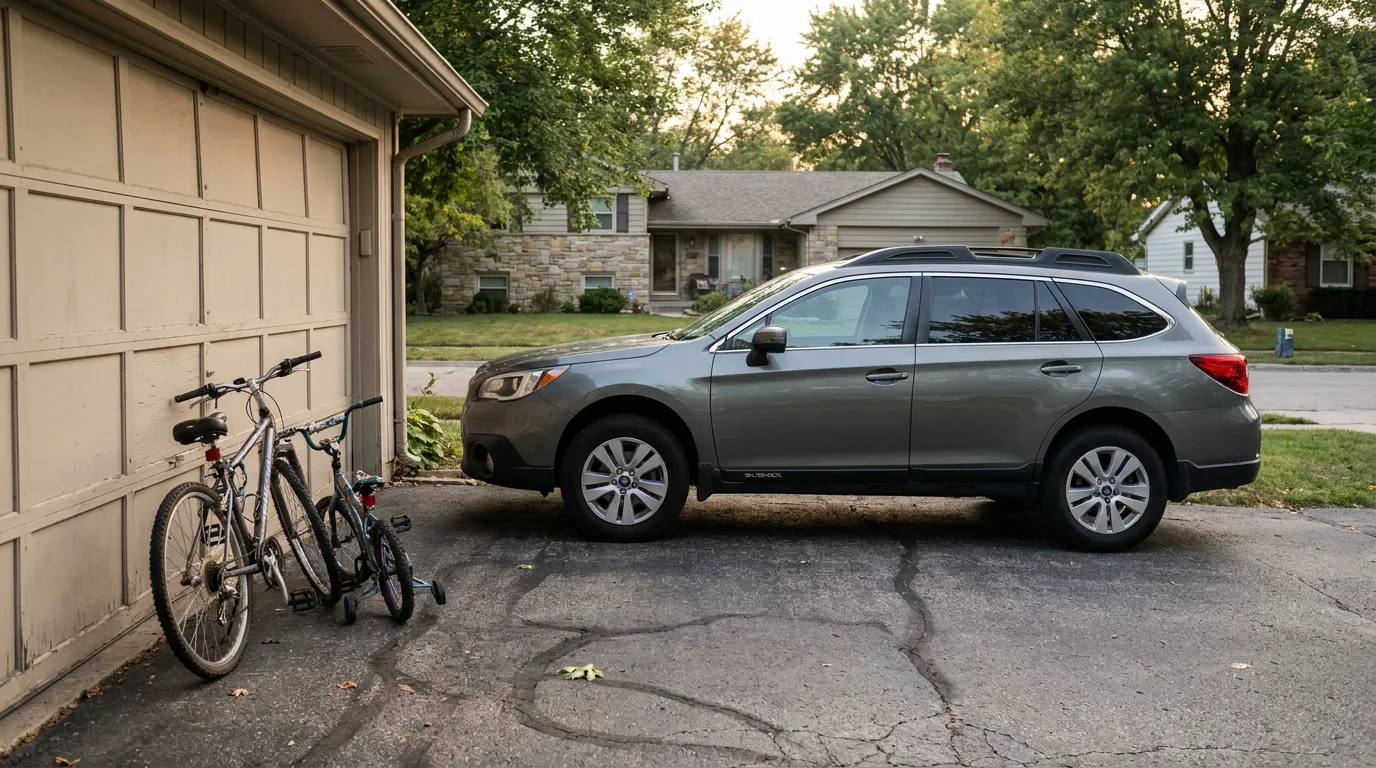
The family car doctrine is a form of vicarious liability, which means the law holds one person responsible for another person’s negligence. The doctrine comes from agency law. Courts may treat a family member who drives the household car for family purposes as acting for the owner, much like an employee acting for an employer. The owner may be liable even if nowhere near the crash.
Colorado’s highest court has applied this doctrine for about a century. A 1927 Colorado Supreme Court decision, reported at 82 Colo. 150, held a vehicle owner responsible for a family member’s careless driving. Because it comes from the Colorado Supreme Court, it still binds Colorado courts unless the court overrules it or a statute changes it.
Not every state follows this rule. The family purpose doctrine varies by state. If you were hurt in Colorado, Colorado law will usually apply.
What Courts May Look At
Whether the doctrine applies usually depends on the facts. Courts may consider whether:
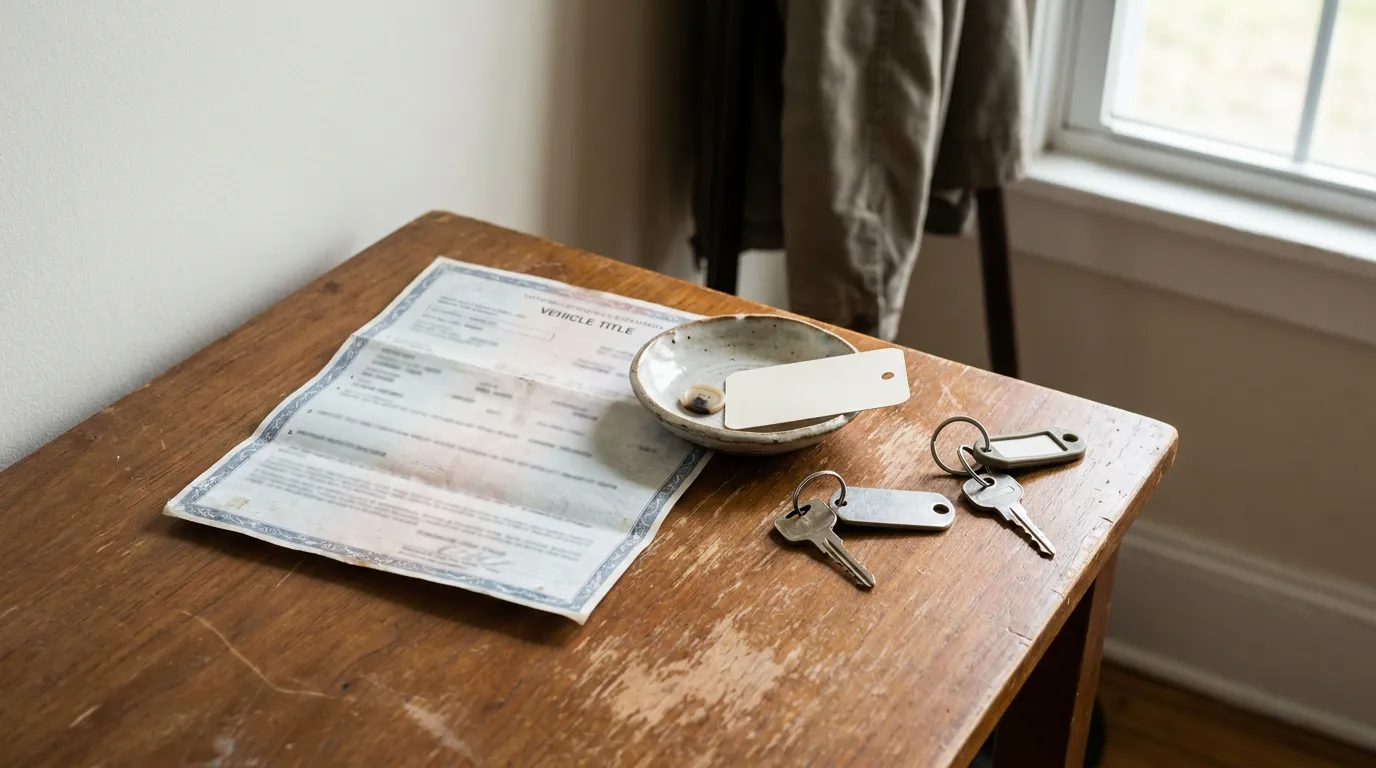
- The defendant owned, provided, or controlled the vehicle
- The owner kept the vehicle for the general use of the family
- The driver was a member of the owner’s household or family
- The driver had express or implied permission to use the vehicle
- The driver was using the vehicle for a family purpose at the time of the crash
If one of these is missing, the claim against the owner may fail. For example, an owner may argue that the driver took the car without permission or went well beyond the permission given. Then text messages, witness statements, and the family’s usual habits with the car may become important.
How Colorado’s Affidavit of Liability Adds Protection
Colorado has a statute that works alongside the family car doctrine when the driver is under 18. Under C.R.S. § 42-2-108(1)(a)(I)(A)-(B), anyone under 18 who applies for a learner’s permit or minor driver’s license must generally submit an affidavit of liability. Depending on the minor’s situation, a parent, stepparent, foster parent, grandparent with power of attorney, guardian, or spouse who is 18 or older may sign it. If none is available, another responsible adult may sign.
Shared Fault and Joint Liability
Under the statute, the law generally treats the teen driver’s fault as the signer’s fault. C.R.S. § 42-2-108(2)(a) imputes a minor driver’s negligence or willful misconduct to the adult who signed the affidavit. That adult may be jointly and severally liable with the teen, subject to the exceptions in subsection (3). An injured person may be able to recover the full amount of damages from the signer, not only from a teen who may have little money. This can apply whether or not the signer owns the car.
This duty can begin before the teen gets a permanent license. Under C.R.S. § 42-2-106(5)(a)(II), the department may issue a temporary minor driver’s license once an adult signs an affidavit of liability under C.R.S. § 42-2-108(1).
When the Signer’s Liability Ends
The signer’s liability under the statute does not last forever. Under C.R.S. § 42-2-109(1)-(2), the signer is generally released when the minor turns 18. The signer may also be released after filing a sworn written request to cancel the minor’s license. The release usually covers only later crashes, not liability that already existed. If the driver was 18 or older at the time of the crash, victims usually need to rely on the family car doctrine or another legal theory.
Some officials who sign paperwork do not become liable. Under C.R.S. § 42-2-108(2)(b)-(c), a guardian ad litem, counsel for youth, or county or state human services official who signs a teen’s application, but not the affidavit of liability, generally does not become liable. The county and the state are generally not liable either. So it is important to find out who actually signed the affidavit.
| Legal Theory | Who May Be Liable | Key Limits |
|---|---|---|
| Family car doctrine | Owner of a vehicle kept for family use | Requires family use and permission; depends on the facts |
| Affidavit of liability, C.R.S. § 42-2-108 | Adult who signed the affidavit | Ends at age 18 or after cancellation |
| Operator’s policy rule, C.R.S. § 10-4-640(4) | Owner and uninsured driver | Applies to vehicles insured under operator’s policies |
Insurance Issues That Can Affect Your Recovery
The type of insurance on the vehicle may decide where the money comes from. Some people carry an operator’s policy, which generally covers only the named person while that person is driving. C.R.S. § 10-4-640(2)(b) requires these policies to state that they do not cover vicarious liability placed on an owner when someone else drives the owner’s vehicle. As a result, the owner’s personal assets may be at risk.
Colorado also limits owners who lend cars insured under operator’s policies. Under C.R.S. § 10-4-640(4), if a driver without a proper policy crashes while driving a vehicle insured under an operator’s policy, the owner and the driver may both be liable. The statute also bars owners from letting drivers they know, or should know, are uninsured use the car.
💡 Pro Tip: Ask for the declarations page of every policy tied to the vehicle and the driver. A household may have several policies, and the details could change which claims are worth pursuing.
Common Problems Crash Victims Face
Insurance companies often dispute whether the owner is responsible at all. They may argue that the driver did not live in the household, did not have permission, or used the car for a purpose the owner never allowed. A strong claim usually depends on early evidence, including police reports, medical records, photos, witness statements, and proof of ownership. Speaking with a family car doctrine Colorado lawyer early may help protect that evidence.
Deadlines for Filing Claims in Centennial
Crash victims generally have three years to file a lawsuit for bodily injury or property damage from a car crash. C.R.S. § 13-80-101(1)(n)(I) sets this deadline for claims arising from the use or operation of a motor vehicle. It generally includes claims against a parent or owner under the family car doctrine. Wrongful death claims, however, generally have a two-year deadline under C.R.S. § 13-80-102(1)(d).
Exceptions to these deadlines are narrow, and courts read them closely. The deadline may pause in limited cases, such as when the injured person is a minor or legally incapacitated, but do not assume this applies to you. Claims against government bodies may follow separate rules, including written notice under the Colorado Governmental Immunity Act, generally due within 182 days of discovering the injury. A court may dismiss a late lawsuit no matter how strong it is.
Practical Steps After a Crash With a Family Driver
Taking organized steps soon after a crash can strengthen a later claim. Consider these actions:
- Get the police report and confirm who owns the vehicle
- Write down what the driver said about where they were going and why
- Keep every medical record, bill, and lost-wage document
- Avoid giving recorded statements to the owner’s insurer before getting legal advice
For more general guidance, see the Jacobs Law resources for crash victims.
Frequently Asked Questions
1. Does the family car doctrine apply only to teenagers?
No. The doctrine may apply to adult family members who use a household vehicle with permission for a family purpose. The affidavit-of-liability statute is different: liability under it generally ends when the driver turns 18.
2. Can I sue both the driver and the owner?
In many cases, yes. Under C.R.S. § 42-2-108(2)(a), the signer and the teen may be jointly and severally liable, subject to the statute’s exceptions. Even so, your total recovery cannot exceed your damages.
3. What if the driver did not have permission to use the car?
Permission is usually a key part of the family car doctrine. Implied permission may be enough, depending on the facts. Other theories might still apply, such as the affidavit-of-liability statute for a minor driver or the owner’s own carelessness.
4. How long do I have to file a claim?
For most car crash injury and property damage claims, the deadline is generally three years under C.R.S. § 13-80-101(1)(n)(I). Wrongful death claims generally must be filed within two years, and claims against government bodies require much earlier notice. Act promptly.
5. Is a county liable if a caseworker signed a foster teen’s application?
Generally, no. If the official signed the application but not the affidavit of liability, C.R.S. § 42-2-108(2)(b)-(c) generally protects the official, the county, and the state from liability.
Finding Every Path to Fair Compensation
The family car doctrine, the affidavit-of-liability statute, and Colorado’s operator’s policy rules can each give you a way to recover from someone other than the at-fault driver. Whether any applies depends on who owned the car, who signed which documents, how the car was being used, and what insurance was in place. Deadlines can be three years or shorter, and evidence can disappear quickly, so learn your options early.
To find out who may be responsible for your injuries, contact Jacobs Law. Call 303-529-4040 or schedule your consultation today to discuss your crash and your next steps.
Disclaimer: This content is for informational purposes only and is not legal advice. Every case is unique, and results may vary. Consult an attorney about your specific circumstances.