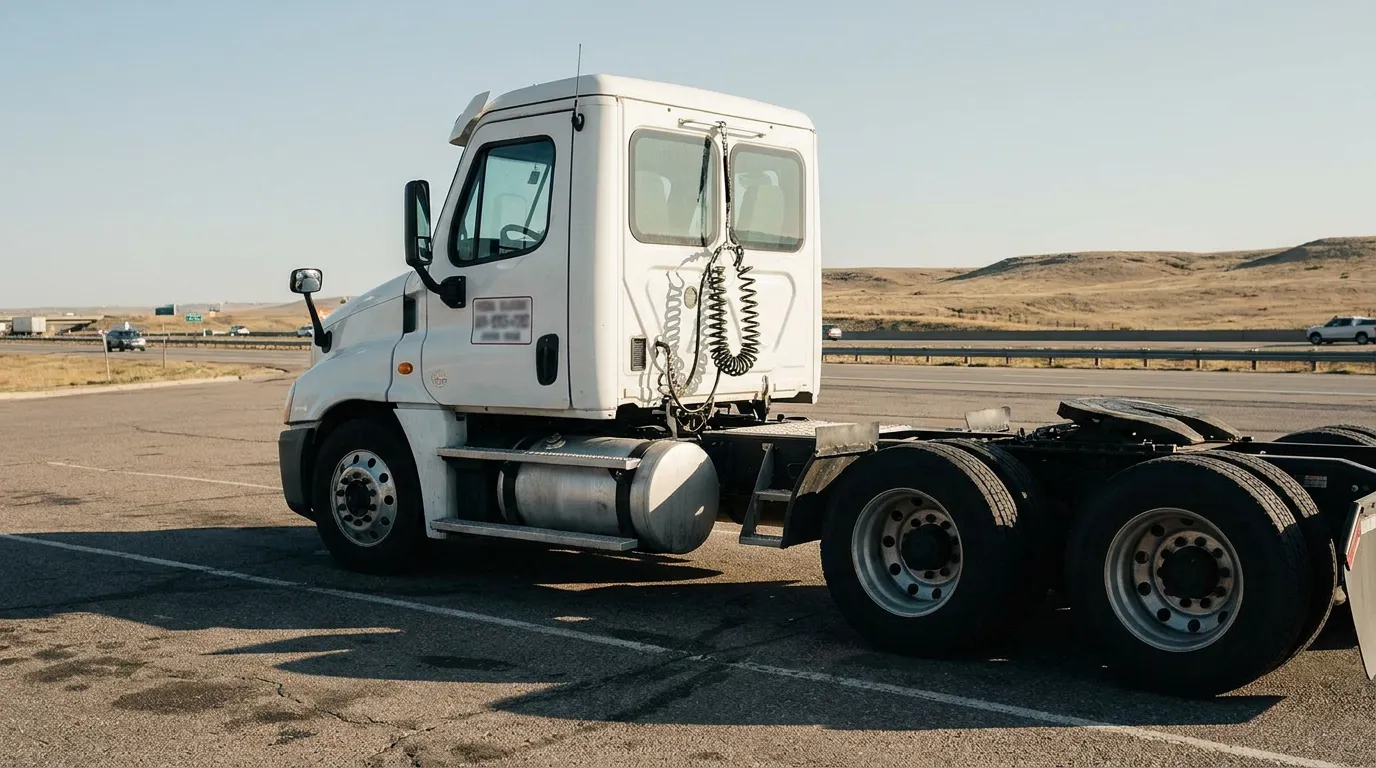
The Federal Safety Net Behind Interstate Trucking Insurance
Key Takeaways: An MCS-90 endorsement is a federally mandated attachment to an interstate motor carrier’s liability policy that generally requires the insurer to pay an injured member of the public a final judgment, up to the applicable federal minimum, even when the underlying policy would exclude coverage. It functions as a public safety net rather than ordinary insurance, and the insurer is entitled to seek reimbursement from the trucking company for any sum it pays that the policy did not cover. Courts often read the form narrowly, applying it only when no other coverage is available and often limiting it to trips in interstate commerce. Colorado’s own financial responsibility statutes reinforce these protections by requiring certified proof of coverage, consent to service of process, and acceptance of Colorado judgments from nonresident carriers. Because coverage arguments depend on solid liability evidence, driver logs, maintenance records, electronic data, and crash reports should be preserved early. Every claim turns on its own facts, so a careful review of policy documents, operating authority, and additional recovery sources such as UM/UIM coverage is essential.
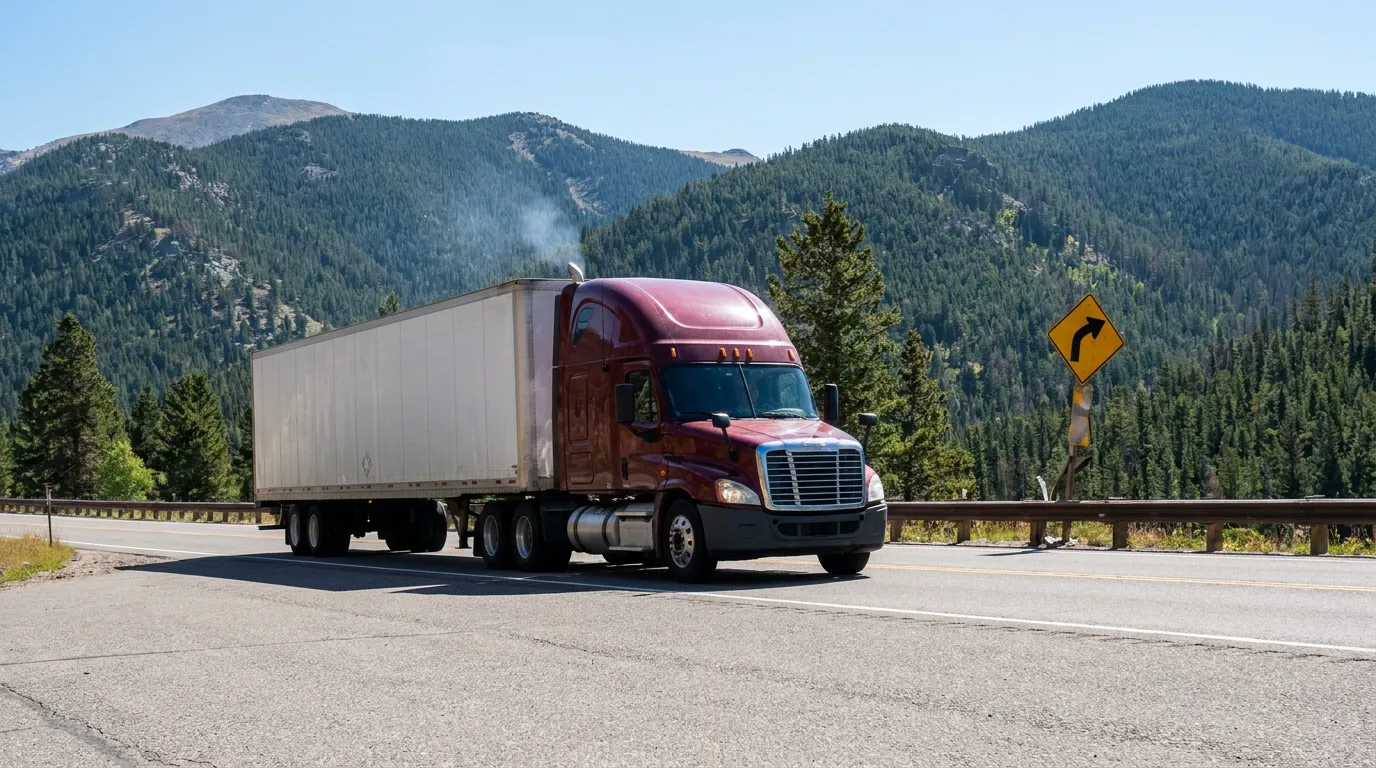
An MCS-90 endorsement is a federally required attachment to an interstate motor carrier’s liability policy that generally obligates the insurer to pay a judgment to an injured member of the public, up to specified minimum limits, even when the carrier’s underlying policy would otherwise exclude coverage. It functions as a backstop rather than ordinary insurance: the insurer may have to pay the injured party first, then seek reimbursement from the trucking company. For someone hurt in a collision with a tractor-trailer on I-25 or Arapahoe Road, that distinction can determine whether a recovery is collectible at all.
If a commercial truck injured you or someone in your family, the team at Jacobs Law can review the carrier’s coverage documents and identify potential sources of recovery. Call 303-529-4040 or contact us now to discuss your situation.
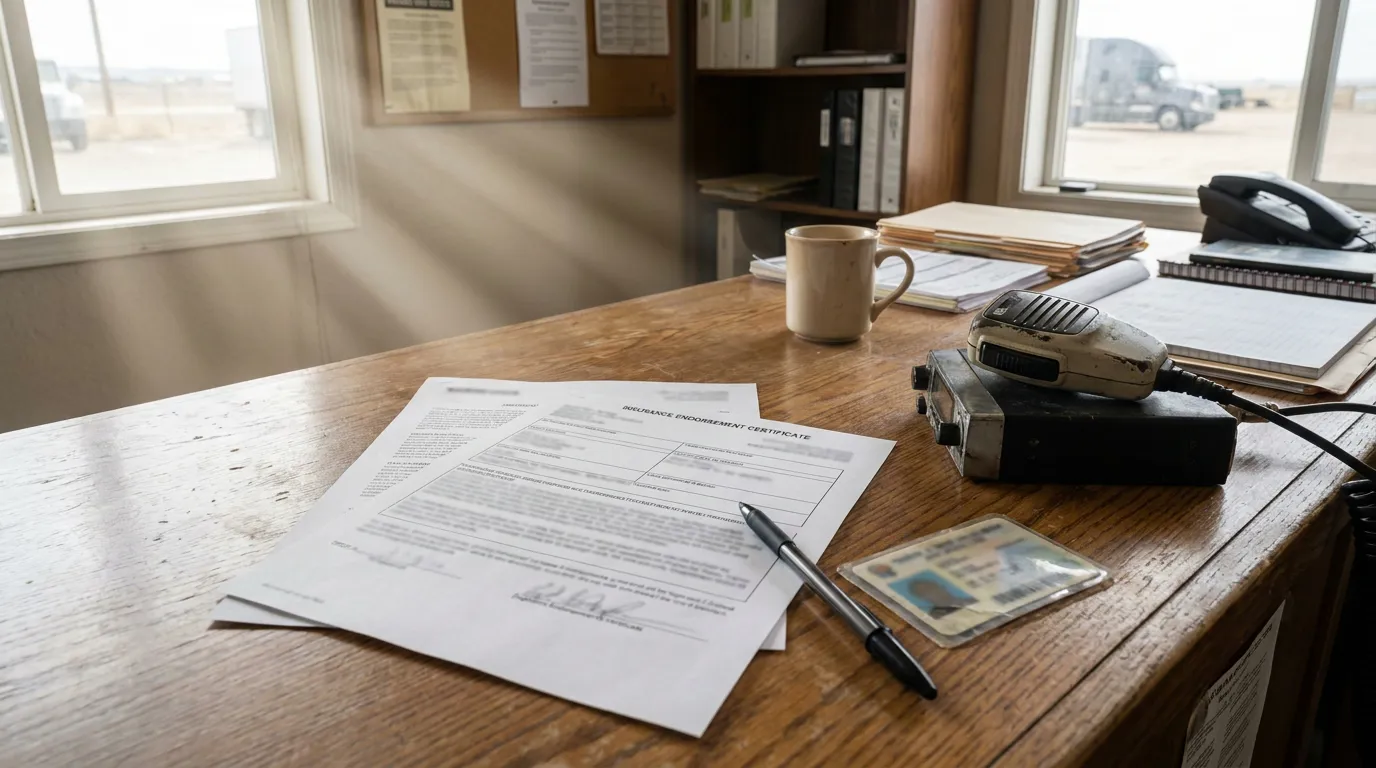
Why Coverage Questions Decide So Many Truck Cases
Proving fault is only half the battle. A victim may establish negligence through driver logs, maintenance records, and black-box data, yet still face an insurer arguing the policy doesn’t respond to this loss. Common defenses include claims that the tractor operated outside its declared radius, the trailer wasn’t listed on the schedule, or the driver wasn’t authorized.
These disputes are among the gaps federal financial responsibility rules were designed to close. Congress recognized that injured members of the public shouldn’t absorb the loss when a carrier and its insurer disagree about policy terms. The endorsement shifts that risk back onto the commercial parties, up to the federally required minimum.
Coverage analysis should generally begin early, not after liability is resolved. The carrier’s declarations page, the endorsement itself, and any excess layers may need to be requested through formal discovery. Waiting until settlement talks begin can cost a claimant leverage that a clear reading of the policy might provide.
How an MCS-90 Endorsement Actually Operates
The endorsement is not a policy; it is a promise appended to one. When a carrier registers for interstate authority, it must show a minimum level of financial responsibility, and the endorsement is one accepted form of that proof. The insurer generally agrees not to use exclusions, conditions, or breaches by the insured as a reason to withhold payment of a final judgment for bodily injury or property damage from negligent operation of a covered vehicle, subject to the endorsement’s stated limits.
Three features generally distinguish this form from a standard auto policy. First, it benefits the public rather than the insured. Second, it applies to a final judgment, meaning the claimant may need to reduce the claim to judgment rather than simply demand payment. Third, the insurer typically retains a right of reimbursement against the carrier. The endorsement also generally creates a duty to pay, not a duty to defend.
| Feature | Standard Truck Policy | MCS-90 Endorsement |
|---|---|---|
| Who benefits | The named insured | The injured public |
| Effect of exclusions | May bar recovery | Generally cannot bar payment of a judgment |
| Trigger | Covered loss under policy terms | Final judgment against the carrier |
| Insurer recovery | None from insured | May seek reimbursement from the carrier |
When the Endorsement May Not Help
Courts have read the endorsement narrowly in several recurring situations. Most decisions hold it applies only where the underlying policy provides no other available coverage, so it generally doesn’t stack on top of an adequate policy or increase the insurer’s exposure beyond the federal minimum. Many courts have also held it doesn’t reach purely intrastate movements by a carrier subject only to federal interstate requirements, though authority isn’t uniform and outcomes can turn on the specific route, cargo, and registration status involved.
Because these are fact-dependent questions, no one can promise a particular result. Whether the endorsement responds in a given Centennial truck accident claim may depend on the carrier’s operating authority, the nature of the haul, and the forum interpreting the form. A careful review of shipping documents and registration filings is usually required first.
Colorado Law Reaches Out-of-State Carriers Too
Colorado maintains its own financial responsibility framework that parallels the federal system. State law defines a "motor vehicle liability policy" or "financial responsibility bond" as a policy or bond certified as proof of financial responsibility for the future, under C.R.S. § 42-7-103(9). That’s the same idea the federal endorsement addresses: a guaranteed, identifiable source of recovery for the public. These state provisions operate independently and don’t themselves create MCS-90 obligations.
Nonresident trucking companies operating through Centennial may face additional state requirements. Under C.R.S. § 42-7-412, a nonresident owner of a foreign vehicle may give proof of financial responsibility by filing a written certificate from an insurance carrier authorized to transact business in Colorado, and where the carrier isn’t authorized here, by filing a power of attorney authorizing service of process for any action arising out of a motor vehicle accident in this state. This can help keep an out-of-state insurer answerable in a Colorado courtroom.
The statute also addresses how the insurer’s policy terms relate to Colorado law. It contemplates that such a carrier will adopt a binding resolution declaring its policies deemed varied to comply with Colorado law, and that it will accept as final and binding any judgment of a Colorado court of competent jurisdiction arising from a motor vehicle accident. That mechanism resembles, but isn’t identical to, how the federal endorsement is intended to compel payment despite policy language.
Consequences When an Insurer Defaults
Colorado doesn’t treat these undertakings as optional paperwork. If a qualifying foreign insurance carrier defaults on any of those agreements, the director will not thereafter accept that carrier’s certificates as proof of financial responsibility so long as the default continues, per C.R.S. § 42-7-412. The policy behind that rule mirrors the federal requirement: a victim should have a real, enforceable source of financial recovery.
Building Evidence in MCS-90 Endorsement Truck Accident Claims
Coverage arguments rest on well-documented liability evidence. Before an insurer engages seriously on federal financial responsibility questions, the claimant generally needs a credible record of what happened and why the carrier may be responsible, often built on tight preservation timelines.
- The official crash report, available through the Colorado State Patrol’s process for obtaining collision records
- Driver qualification files, hours-of-service logs, and electronic logging device downloads
- Vehicle inspection, repair, and maintenance histories for both tractor and trailer
- Electronic data recorder or telematics output showing speed, braking, and throttle inputs
- Medical documentation, wage loss records, and treating provider opinions on future care
💡 Pro Tip: Send a written spoliation letter to the motor carrier as early as possible. Federal retention periods for some logs and inspection records are measured in months, and once data cycles off a device it may be unrecoverable.
Where Minimum Limits Fit In
Federal minimums are a floor, not a measure of what a case is worth. Understanding why the FMCSA 750k insurance mandate applies to many interstate haulers, with higher minimums for certain vehicles and hazardous cargo, helps explain why catastrophic injury claims frequently exceed the primary layer and may require attention to excess policies, broker liability, and shipper responsibility.
State minimums for ordinary vehicles operate on a different scale. Colorado’s baseline liability requirements for registered passenger vehicles are generally far below what a commercial interstate carrier must carry, an important distinction for identifying the correct defendant and coverage layer.
Other Recovery Sources Worth Investigating
Uninsured and underinsured motorist coverage may supplement a trucking claim. Colorado insurers must offer UM/UIM coverage matching a policy’s liability limits, and it’s generally included unless rejected in writing, a state-level analog to the federal endorsement’s protective purpose. Checking your own declarations page is a sensible early step in any serious Colorado truck crash coverage analysis.
Your own conduct may also affect the size of a recovery. Comparative negligence may reduce damages based on the plaintiff’s own share of fault, and jurisdictions apply either pure or modified rules. Colorado follows a modified approach that bars recovery when the plaintiff’s fault equals or exceeds the defendant’s, so an insurer may have incentive to overstate a victim’s fault; careful rebuttal evidence often matters.
Timing limits apply to every avenue of recovery. Colorado’s civil statutes of limitations for motor vehicle injury claims are separate from any administrative or governmental notice deadlines, which are typically much shorter when a public entity may be involved. Courts generally interpret tolling and discovery exceptions narrowly, so the specific deadline for your claim should be confirmed with counsel.
Practical Steps After a Commercial Truck Collision
What you do in the first weeks can shape the entire claim. Seek medical evaluation promptly, follow through on treatment, and keep every bill and referral. Decline to give a recorded statement to the carrier’s adjuster before you understand the coverage landscape.
Document the commercial identifiers on the vehicle. The USDOT number, motor carrier number, trailer markings, and placards may allow counsel to trace operating authority and locate the interstate carrier insurance filings revealing who insures the truck and at what limits. Photographs taken at the scene frequently capture details that later disappear.
💡 Pro Tip: Keep a simple daily journal of pain levels, missed activities, and work limitations. Contemporaneous notes often carry more weight than testimony reconstructed a year later.
An experienced advocate can coordinate these moving pieces. A MCS-90 endorsement truck accident claims lawyer can pursue the policy documents, evaluate whether the endorsement is likely to respond, and press the claim toward the judgment posture the form generally requires.
Frequently Asked Questions
1. Does an MCS-90 endorsement increase the amount of truck accident compensation available?
Not directly. It generally guarantees payment up to the applicable federal minimum when the underlying policy wouldn’t respond, rather than adding a new layer of limits atop existing coverage. Additional recovery usually depends on excess policies and other responsible parties.
2. Do I have to win a lawsuit before the endorsement applies?
In most interpretations, yes. The form speaks to payment of a final judgment, so a settlement alone generally doesn’t trigger the insurer’s obligation, although insurers sometimes resolve claims voluntarily. That’s one reason coverage issues should be evaluated before a claim is resolved informally.
3. Does the endorsement apply to purely local hauls within Colorado?
Often not. Many courts have held it doesn’t reach purely intrastate trips, though authority isn’t uniform, and the answer can depend on the carrier’s authority, the cargo’s origin and destination, and the forum’s precedent.
4. Can the insurer come after the trucking company afterward?
Generally yes. The endorsement expressly preserves the insurer’s right to seek reimbursement from the motor carrier for sums it pays that the policy wouldn’t otherwise have covered. That right runs against the carrier and its insured, not against the injured person.
5. How do I obtain the official report from my crash?
The Colorado State Patrol publishes a process for requesting Colorado crash reports, often a necessary first step before pursuing liability or insurance claims. Local police departments generally handle reports for crashes they investigate.
Protecting Your Right to a Real Recovery
The MCS-90 endorsement exists because injured people shouldn’t lose everything to a coverage dispute between a trucking company and its insurer, though its protection is capped at the federally required minimum. Colorado’s own financial responsibility statutes reflect a similar policy, requiring certified proof of coverage, consent to Colorado jurisdiction, and acceptance of Colorado judgments from out-of-state carriers. Whether any of these protections applies to your situation depends on facts that require careful investigation, and outcomes vary from case to case.
If a commercial truck crash in Centennial has left you facing medical bills and uncertainty, the attorneys at Jacobs Law’s injury team are ready to examine the coverage picture alongside the liability evidence. Call 303-529-4040 or request a consultation to get started.
Disclaimer: This content is for informational purposes only and is not legal advice. Every case is unique, and results may vary. Consult an attorney about your specific circumstances.