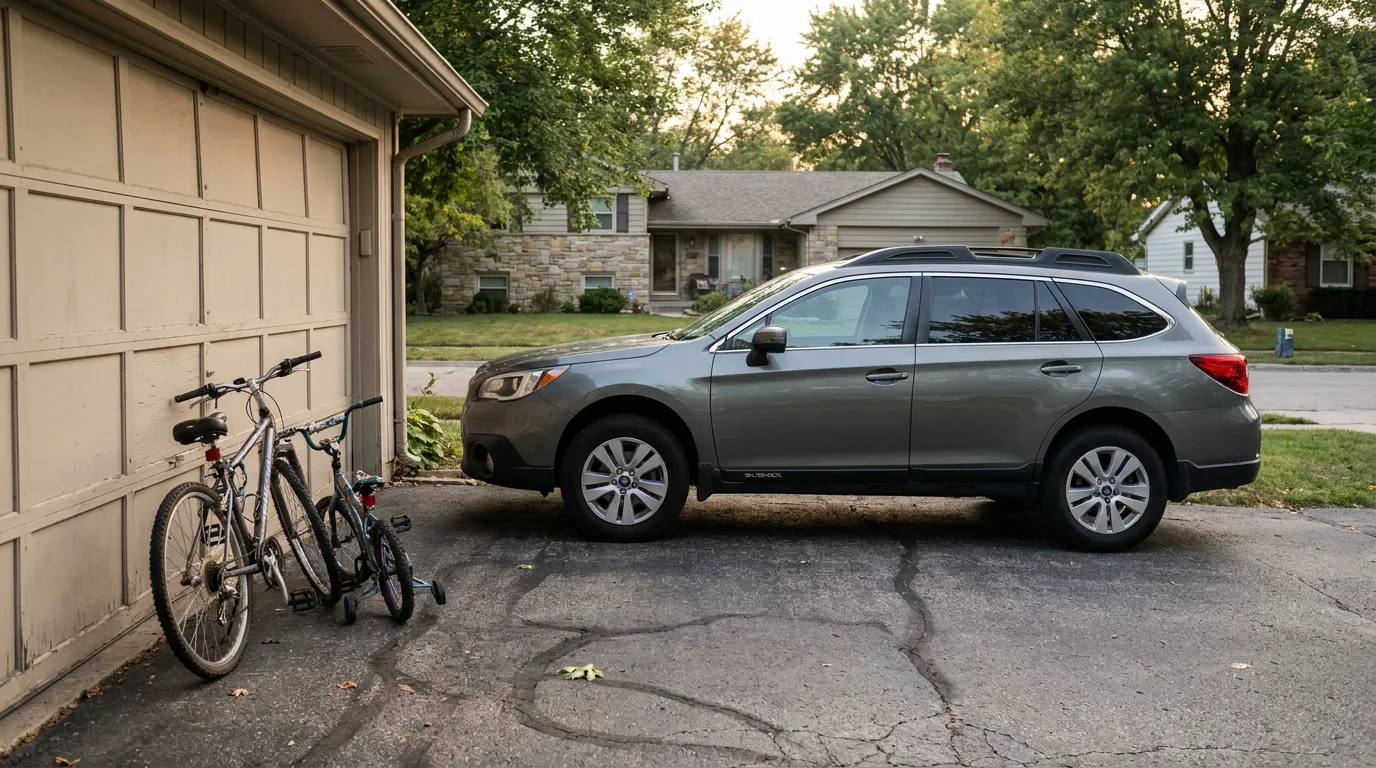
How a Few Seconds of Sleep Can Turn Into a Catastrophic Truck Crash
Key Takeaways: Yes, a truck driver who falls asleep for just a few seconds can cause a devastating crash in Colorado. A fully loaded semi at highway speed can travel about the length of a football field during a brief microsleep. Crash data often misses drowsy driving, and fatigue can slow reaction time much like alcohol does. Colorado bases its hours-of-service and inspection rules for commercial drivers on federal standards, and breaking those rules may serve as evidence of negligence. Victims may be able to use ELD data, logbooks, dispatch records, and other evidence to hold both the driver and the trucking company accountable. Under Colorado’s modified comparative negligence system, injured people can generally recover as long as their own fault is less than the fault of the parties they are suing, though their share of fault reduces any award. Most motor vehicle injury claims must be filed within three years, some cases have shorter deadlines, and caps on noneconomic damages may apply, so acting quickly matters.
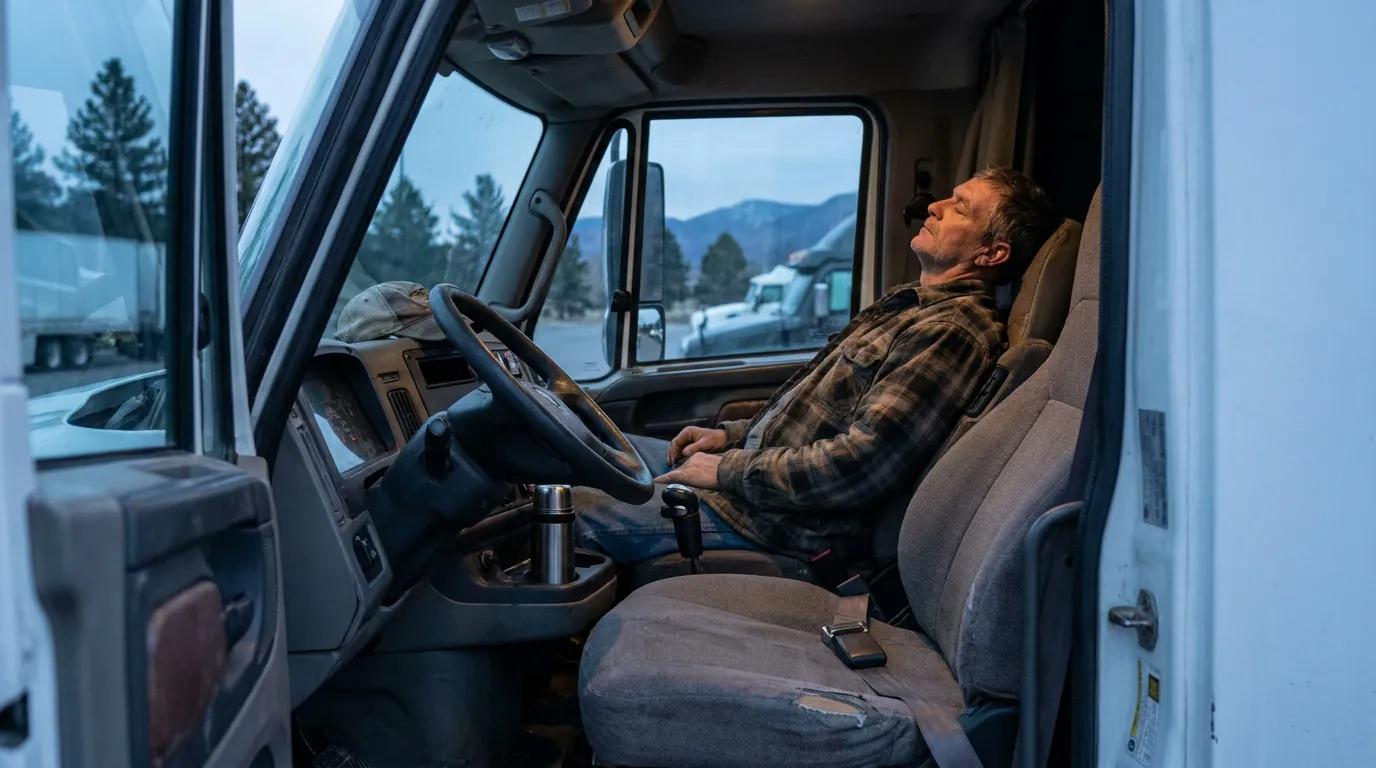
Yes, a truck driver who falls asleep for only a few seconds can cause a serious crash in Colorado. These brief lapses are called microsleeps. During one, a driver stops taking in the road, even if their eyes are partly open. A fully loaded semi at highway speed can cover about the length of a football field in roughly three seconds. That leaves no time to brake, steer, or react to stopped traffic on I-25 or E-470 near Centennial. When truck driver fatigue causes a crash, Colorado law may give injured people ways to hold the driver, and in some cases the trucking company, accountable.
If you or someone you love was hurt in a crash with a drowsy commercial driver, you may have legal options. The team at Jacobs Law helps injured Coloradans look into fatigue-related truck crashes and seek full compensation. Call 303-529-4040 or contact us now to talk about your situation.
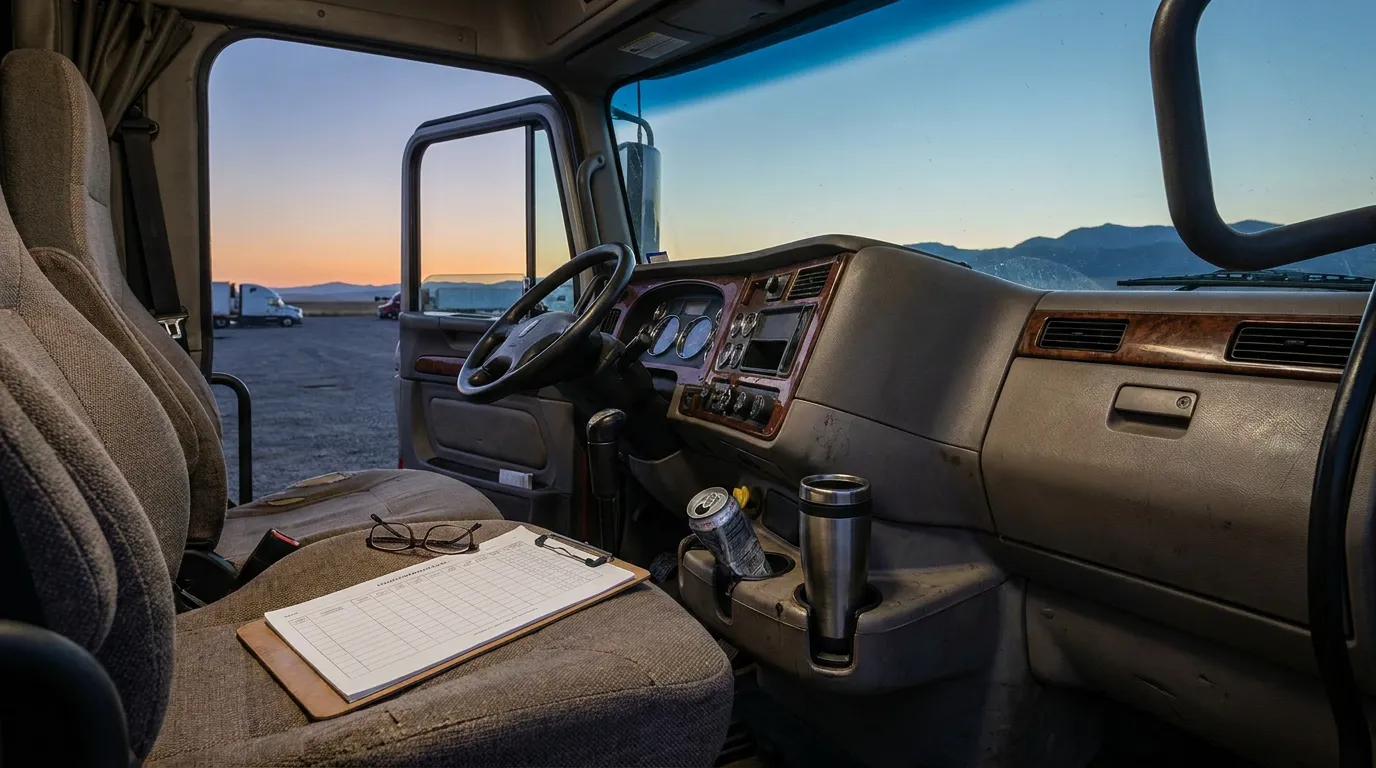
Why Microsleeps Are More Common Than Most People Think
Drivers fall asleep at the wheel far more often than crash reports show. National survey data cited by ValuePenguin found that about 1 in 25 adult drivers said they had fallen asleep while driving in the past 30 days. Their report on where the drowsiest drivers are also ranks states by drowsy-driving crash rates, showing where Colorado stands nationally.
The Gap Between Admissions and Crash Reports
Far more drivers admit to drowsy driving than crash reports blame on fatigue. Research from the AAA Foundation for Traffic Safety suggests fatigue plays a much bigger role in fatal crashes than government numbers show. One study summarized by Land Line concluded that drowsy driving is vastly underreported among passenger vehicle drivers. A police report may not list fatigue, even when it was the real cause.
Why Passenger Vehicle Research Applies to Truckers
Much of this research looks at passenger vehicle drivers, but lack of sleep affects everyone the same way. Long shifts, overnight routes, and tight delivery schedules often make the risks worse for truck drivers. A fully loaded truck, often weighing up to 80,000 pounds, does far more damage when its driver drifts off.
Drowsy Driving Can Impair a Trucker Much Like Alcohol
Safety researchers compare the effects of drowsy driving to drunk driving. Research cited by NHTSA and other safety groups shows fatigue can slow reaction time much like alcohol does. A tired trucker may miss brake lights, drift across lanes, or fail to notice slowing traffic. In a microsleep, there may be no reaction at all.
Common signs that fatigue may have played a role in a truck crash include:
- No skid marks or braking before impact
- The truck drifting across lanes or onto the shoulder
- A rear-end crash into slowed or stopped traffic
- A crash late at night or early in the morning
- A driver who was near or past their legal driving limit
None of these signs proves fatigue by itself, but together they can guide investigators. Electronic data from the truck, logbooks, and witness statements often help fill in the rest.
Colorado Rules That Address Truck Driver Fatigue
Colorado has its own commercial vehicle safety rules, based on federal standards. Under C.R.S. § 42-4-235(4)(a)(I), the chief of the Colorado State Patrol must adopt rules for operating commercial vehicles. These rules use current U.S. Department of Transportation rules as general guidelines, covering driver qualifications, how vehicles are driven, accident reporting, and hours of service. Federal hours-of-service rules also apply directly to interstate carriers. These rules are usually the starting point for checking whether the driver or carrier broke fatigue limits.
Hours-of-Service Limits
Colorado law also requires state officials to set maximum hours of service for commercial drivers. Under C.R.S. § 42-4-235(4)(a)(I), the chief of the Colorado State Patrol must adopt reasonable safety rules for motor carriers, including hours-of-service limits, using current federal hours-of-service rules as general guidelines. The Colorado State Patrol enforces them. Going past these limits raises the risk of microsleeps and may be used as evidence of negligence in a civil claim. But a violation alone does not prove liability; you must still connect it to the crash and your injuries.
Inspections and Enforcement Records
Certified officials must perform safety inspections under these rules. Since September 1, 2003, C.R.S. § 42-4-235(4)(a)(I) has required that enforcement officials certified by the Commercial Vehicle Safety Alliance perform Level I inspections. Under C.R.S. § 42-4-235(4)(b), the Colorado Public Utilities Commission may also enforce these rules and issue civil penalties under C.R.S. § 40-7-113. Past inspection records and violations may help show a pattern of unsafe practices by the carrier, though whether a court allows them depends on the case.
💡 Pro Tip: Electronic logging devices record a truck’s driving time automatically. Learn how ELD violations can strengthen a case and why you should request this data quickly, before it is overwritten or lost.
Proving Fault After a Drowsy Trucker Crash
A strong claim generally shows that the driver or carrier was negligent and that the negligence caused your injuries. Evidence may include hours-of-service logs, ELD data, black-box data, dispatch records, fuel and toll receipts, and medical records. Trucking companies may also be responsible for their driver’s negligence on the job, or directly if they pushed drivers to meet unrealistic schedules or ignored past violations. A truck driver fatigue lawyer can send letters demanding that the company keep evidence and can gather records before they disappear.
How Shared Fault Affects Your Recovery
Colorado uses a modified comparative negligence system. Under C.R.S. § 13-21-111(1) and (3), you may still recover damages if your own fault is less than the combined fault of the parties you are suing, but your share of fault generally reduces any award. If your fault equals or exceeds theirs, you generally cannot recover. At trial, C.R.S. § 13-21-111(2) requires the jury to state total damages and each party’s percentage of fault. For example, if a jury finds the tired trucker 80% at fault and the other driver 20% at fault, the court would reduce the injured driver’s award by 20%. Insurers sometimes try to shift blame onto victims, so careful evidence matters.
Deadlines and Damage Limits Victims Should Know
Colorado law sets firm time limits and some caps on compensation in truck crash cases. The table below sums up key rules for truck driver fatigue Colorado claims.
| Issue | Colorado Rule | Statute |
|---|---|---|
| Filing deadline | Generally 3 years from when the claim accrues for motor vehicle injury or property damage | C.R.S. § 13-80-101(1)(n)(I) |
| Noneconomic damages (claims accruing before Jan. 1, 2025) | $250,000 base cap adjusted for inflation every two years: $613,760 (max $1,227,530 with clear and convincing evidence) for claims accruing on or after Jan. 1, 2020 and before Jan. 1, 2022; $642,180 (max $1,284,370) for claims accruing on or after Jan. 1, 2022 and before Jan. 1, 2024; with further inflation adjustments applying to claims accruing later in 2024 | C.R.S. § 13-21-102.5(3) |
| Noneconomic damages (claims accruing on or after Jan. 1, 2025) | Up to $1,500,000, with inflation adjustments set to begin in 2028 | C.R.S. § 13-21-102.5(3) |
| Exemplary damages | Generally not more than actual damages awarded; a court may raise them up to three times actual damages in limited cases | C.R.S. § 13-21-102(1)(a), (3) |
The three-year deadline for motor vehicle claims is longer than Colorado’s general two-year deadline for many other negligence claims. Courts tend to read exceptions to filing deadlines narrowly, so do not assume you will get an extension. Claims against government entities generally require written notice within 182 days of discovering the injury. Wrongful death claims generally must be filed within two years and follow separate rules, including damage limits under C.R.S. § 13-21-203.
Exemplary damages may be available when a fatigue crash involved willful and wanton conduct. Under C.R.S. § 13-21-102(1)(a)-(b), this means conduct done on purpose that the person must have known was dangerous, carried out recklessly without regard for others’ rights and safety. You generally cannot include a claim for exemplary damages in the first complaint. You may add it only after showing enough evidence for a trial on the issue. A trucker who knowingly drove far past safe limits could, in some cases, meet this standard, and you must prove that conduct beyond a reasonable doubt. Whether it applies depends heavily on the facts.
Frequently Asked Questions
1. What is a microsleep in a truck driver?
A microsleep is a brief episode of sleep that can last a few seconds. It is especially dangerous because the driver may not realize they dozed off.
2. Can the trucking company be held responsible for a fatigue crash?
In some cases, yes. A carrier may be liable for a driver’s negligence on the job. It may also share liability directly if it encouraged drivers to break hours-of-service limits, failed to check logs, or ignored past violations.
3. What if the police report does not mention fatigue?
Official crash data often misses fatigue. Other evidence, such as ELD records, dispatch logs, and crash reconstruction, may still show that drowsiness played a role.
4. How long do I have to file a claim in Colorado?
Under C.R.S. § 13-80-101(1)(n)(I), you must generally file most motor vehicle injury claims within three years after the claim accrues. Wrongful death claims and claims against government entities may have shorter deadlines, so acting early is usually wise.
5. Can I still recover if I was partly at fault?
Under C.R.S. § 13-21-111, you may still recover as long as your fault is less than the fault of the parties you are suing. Your percentage of fault would generally reduce any damages.
Protecting Your Rights After a Fatigue-Related Truck Crash
A few seconds of sleep behind the wheel of a commercial truck can change a family’s life. Colorado’s hours-of-service rules, inspection records, and comparative negligence law all shape these cases. Strict deadlines and damage caps apply, and key electronic evidence can disappear quickly.
If a drowsy truck driver injured you or a loved one near Centennial, you do not have to face the trucking company and its insurer alone. Jacobs Law can review your case, look into the driver’s logs and the carrier’s records, and explain your options. Call 303-529-4040 or schedule your consultation today.
Disclaimer: This content is for informational purposes only and is not legal advice. Every case is unique, and results may vary. Consult an attorney about your specific circumstances.