Understanding the Hidden Data Inside Every Commercial Truck
Key Takeaways: An ELD violation is a failure to properly use, maintain, or accurately record driving time on a federally mandated electronic logging device. In a Centennial truck accident claim, it serves as powerful evidence of negligence. These violations include exceeding hours-of-service limits, operating without a working device, falsifying logs, or skipping required rest breaks. Such records help establish that a driver or carrier breached a duty of care. Under Colorado’s modified comparative negligence rule, clear proof of a violation can shift fault toward the defense. Strict filing deadlines apply, and ELD data can be overwritten on a rolling cycle, making quick action to preserve evidence essential.
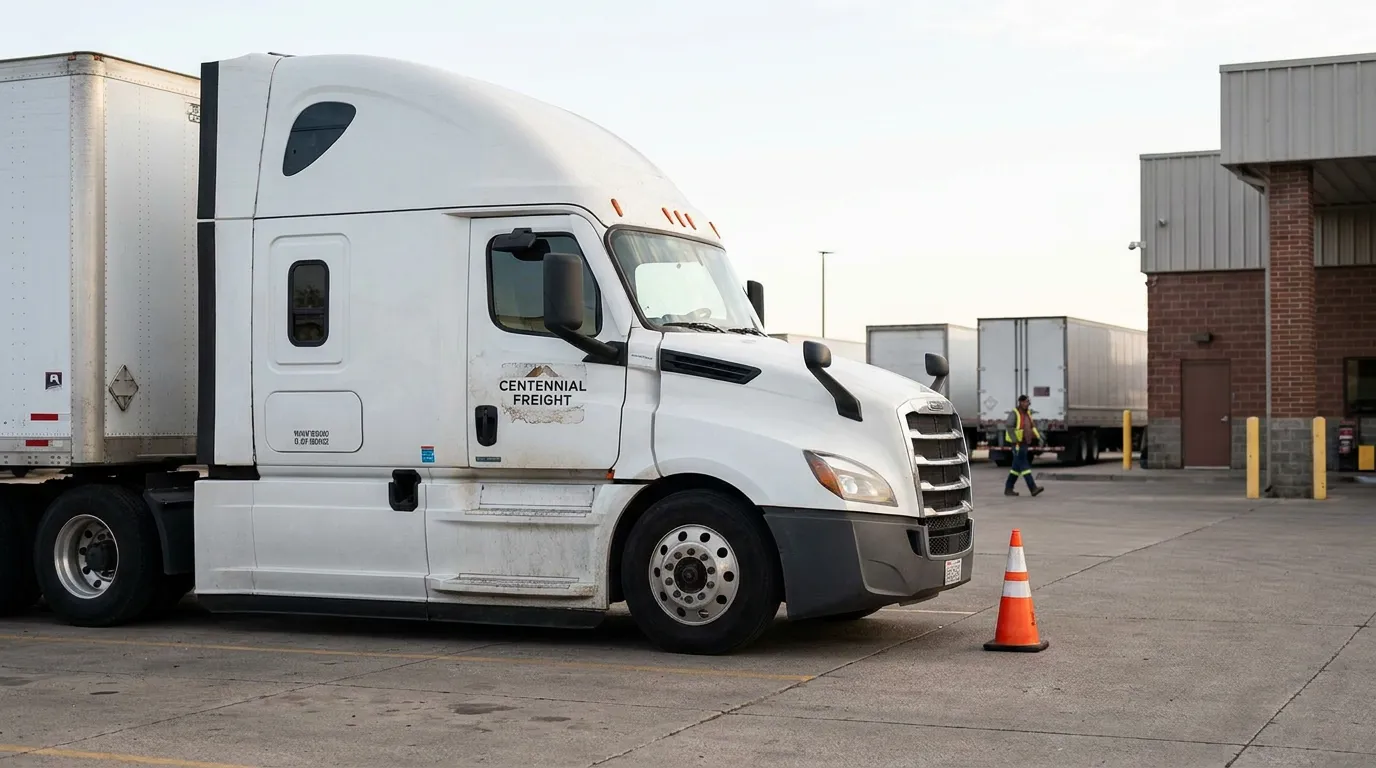
An ELD violation is a failure to properly use, maintain, or accurately record driving time on a federally mandated electronic logging device, and in a Centennial truck accident claim it serves as powerful evidence that a trucker or carrier broke rules designed to keep fatigued drivers off the road. Electronic logging devices automatically track a commercial driver’s hours behind the wheel, replacing paper logs that were easy to falsify. When records show a driver exceeded federal hours-of-service limits, ran without a working device, or tampered with data, that lapse points directly to negligence.
If you were hurt in a collision with a big rig, the team at Jacobs Law is ready to help. You can reach our office at 303-529-4040 or contact us now to discuss how trucking records may support your claim.
💡 Pro Tip: ELD data can be overwritten or lost on a rolling cycle, so sending a formal preservation letter to the trucking company quickly is critical to protecting this evidence.

What an ELD Violation Actually Means on Colorado Roads
An ELD violation generally falls into a few recognizable categories, each telling a different story about how a crash happened. Federal regulations require most interstate commercial drivers to use a compliant device, and breaking those requirements ranges from recordkeeping mistakes to deliberate attempts to hide unlawful driving time.
Common forms of electronic logging device violations include:
- Driving beyond daily or weekly hours-of-service limits
- Operating without a functioning or properly installed device
- Falsifying, editing, or failing to certify log records
- Ignoring required rest breaks or off-duty periods
- Failing to transfer data to inspectors when requested
Each failure can reflect a broader breakdown in safety practices. A single hours-of-service violation might suggest a fatigued driver, while a pattern of altered logs may suggest the carrier pressured drivers to stay on the road. These records often reveal whether the company encouraged unsafe scheduling, opening the door to claims beyond the individual driver.
How Can ELD Violations Strengthen Your Centennial Truck Accident Case
Whether ELD violations strengthen your case depends on how the data connects a rule violation to the harm you suffered. In Colorado, an ELD violation functions as evidence of negligence rather than an automatic finding of fault. To recover, an injured person must establish that the defendant owed a duty and breached it. A violation showing a driver was awake past lawful limits can demonstrate that breach concretely.
Strong evidence does more than prove a rule was broken; it shifts how fault is divided. Because Colorado reduces a plaintiff’s recovery by their share of fault, clear proof that a trucker or carrier acted unlawfully can move the percentage of blame toward the defense. The Wex legal resource explains that comparative negligence is a tort principle used to reduce damages a plaintiff can recover according to each party’s degree of negligence. ELD records can be the difference between a disputed account and a documented one.
💡 Pro Tip: Photographs, the police report, and witness contact information work together with ELD data. The stronger your independent Colorado truck accident evidence, the harder it is for insurers to dispute what logs show.
Proving Negligence With Electronic Logging Device Evidence
Driver Negligence and Hours-of-Service Limits
Driver-level negligence is often the first theory an ELD violation supports. When logs show a driver pushed past federal limits, that record helps establish the trucker failed to operate safely. Fatigue slows reaction time and impairs judgment, so a documented hours-of-service breach can directly relate to how a Centennial truck accident occurred.
Direct and Vicarious Carrier Liability
A trucking company may face liability for its driver’s conduct and for its own. Colorado law recognizes that an employer can be vicariously responsible for an employee’s negligence, but a company may also be directly liable when its own decisions caused the harm. Courts have noted that the employer-liability rule "does not apply when the plaintiff’s injuries are not caused by the employee’s negligence, such as when the employer’s own negligence caused the injuries." A carrier that ignored ELD compliance or pressured drivers to skip rest may face claims for its own conduct.
Damages and What You May Recover
Damages in Colorado negligence cases follow statutory rules. Personal injury claims arising from a truck crash generally apply limitations on noneconomic loss set out in section 13-21-102.5, C.R.S. Economic losses such as medical bills, rehabilitation costs, and lost wages are evaluated alongside noneconomic harm like pain and suffering.
How Colorado’s Comparative Negligence Rule Shapes Your Recovery
Colorado follows a modified comparative negligence system, which directly affects how an ELD violation influences your compensation. Under section 13-21-111, C.R.S., a plaintiff’s damages are reduced in proportion to their own share of fault, and recovery is barred entirely if the plaintiff’s negligence equals or exceeds the negligence of the party or parties from whom recovery is sought. A plaintiff found 49% at fault may recover 51% of damages, while a plaintiff who is 50% or more responsible recovers nothing.
This framework differs from other states. As the Wex resource notes, the modified comparative negligence principle is followed by the majority of states, while only four states and D.C. recognize contributory negligence. You can read more about the underlying comparative negligence principle and how percentage-based recovery functions.
Multi-defendant cases add another layer in trucking claims. When both a driver and a motor carrier are sued, Colorado combines the negligence of defendants and compares that combined total against the plaintiff’s negligence, as the Colorado Supreme Court held in Mountain Mobile Mix, Inc. v. Gifford. The statute also extends these principles to wrongful death claims, diminishing damages in proportion to negligence attributable to the person for whose death recovery is sought. If you are weighing the broader picture of fault, it can help to consult a lawyer who handles these cases.
| Plaintiff’s Share of Fault | General Effect on Recovery |
|---|---|
| Less than the defendant’s | May recover, reduced by plaintiff’s percentage |
| 49% at fault | May recover roughly 51% of damages |
| 50% or more | Generally barred from recovery |
Deadlines That Can Make or Break a Truck Accident Claim
Filing deadlines in Colorado are strict, and missing one can end an otherwise strong claim. Civil statutes of limitations set the window in which you must file suit. Tort actions are generally governed by sections 13-80-102, 13-80-102.5, 13-80-104, and 13-80-106, C.R.S., while claims involving motor vehicle operation are typically governed by section 13-80-101, C.R.S. Confirming your deadline early is essential.
In limited circumstances, the filing clock may be paused through tolling. Tolling can legally suspend a statute of limitations and may apply when a defendant engages in fraudulent concealment or a misleading act designed to hide a cause of action. In Colorado, this is a judicially recognized doctrine supported by case law and general equitable principles, with accrual rules for fraud and concealment addressed in section 13-80-108, C.R.S.; section 13-80-103.5, C.R.S. is a six-year general limitations statute and does not specifically provide the tolling rule. Courts interpret these exceptions narrowly, so tolling does not apply automatically. An official overview of Colorado statutes of limitations provides general background.
💡 Pro Tip: Even if you believe a concealment or fraud exception might apply, treat the standard deadline as your target. Waiting on a possible tolling argument is risky because courts apply these rules sparingly.
How an Attorney Approaches Trucking Evidence
A focused approach to truck accident claims often starts with securing the digital record before it disappears. Trucking companies control ELD data, maintenance logs, and dispatch records, and these materials may be overwritten in the ordinary course of business. Acting quickly to demand preservation can protect the proof that ties a violation to your injuries. For a broader look at road collision claims, our overview for a Centennial Colorado truck lawyer covers related ground.
💡 Pro Tip: Keep a personal file of every medical visit, mileage to appointments, and missed workday. This documentation supports your economic damages and complements the trucking company’s records.
Frequently Asked Questions
1. Does an ELD violation automatically prove the trucker was at fault?
No, an ELD violation does not automatically establish fault. In Colorado it functions as evidence of negligence, which still requires showing a duty, breach, and connection to your injuries.
2. Can the trucking company be liable instead of just the driver?
Yes, a carrier may face both vicarious and direct liability. A company can be responsible for an employee’s negligence and separately liable when its own decisions, such as ignoring hours-of-service compliance, contributed to the crash.
3. What happens to my recovery if I was partly at fault?
Your recovery is reduced by your percentage of fault under Colorado’s modified comparative negligence rule. If your share equals or exceeds the defendants’ combined fault, you generally cannot recover. Strong evidence of a violation can help keep your assigned percentage lower.
4. How long do I have to file a truck accident claim?
Deadlines depend on the claim, and motor vehicle cases are generally governed by section 13-80-101, C.R.S. Other tort deadlines may apply depending on the facts. Because exceptions like tolling are interpreted narrowly, confirming your specific deadline promptly is important.
5. What evidence besides ELD data helps a claim?
Several sources work together to build a strong case. Maintenance logs, black-box data, witness statements, the crash report, and medical records all support liability and damages.
Protecting Your Right to Full Compensation
Understanding how ELD violations strengthen your Centennial truck accident case helps you make informed decisions after a serious commercial truck crash. Electronic logs can reveal fatigue, falsified records, and corporate shortcuts that point toward negligence, and under Colorado’s modified comparative negligence framework, that evidence can meaningfully shape how fault and damages are divided. Outcomes depend on specific facts, applicable statutes of limitations, and how carefully evidence is preserved. Acting promptly protects both your deadlines and the digital trail that supports your claim.
If you or a loved one was hurt in a collision with a commercial truck, the attorneys at Jacobs Law are ready to review your situation and explain your next steps. Call 303-529-4040 today or reach out to our team to discuss how trucking records may support your recovery.