Digital Evidence Is the Backbone of a Rideshare Injury Claim
Key Takeaways: Uber app data can often be recovered after a Centennial rideshare crash and serves as persuasive evidence in injury claims. The platform stores GPS routes, timestamps, driver identity, and app status, details that determine which insurance coverage applies. Because records can be overwritten or lost, acting quickly to request and preserve them, alongside screenshots, photos, and police reports, is essential. This digital timeline helps establish liability under Colorado’s modified comparative negligence system, where recovery is reduced by your percentage of fault and barred if you are 50% or more responsible. Solid documentation of medical bills and lost wages is equally critical to proving damages. An experienced rideshare attorney can help preserve time-sensitive evidence and pursue fair compensation.
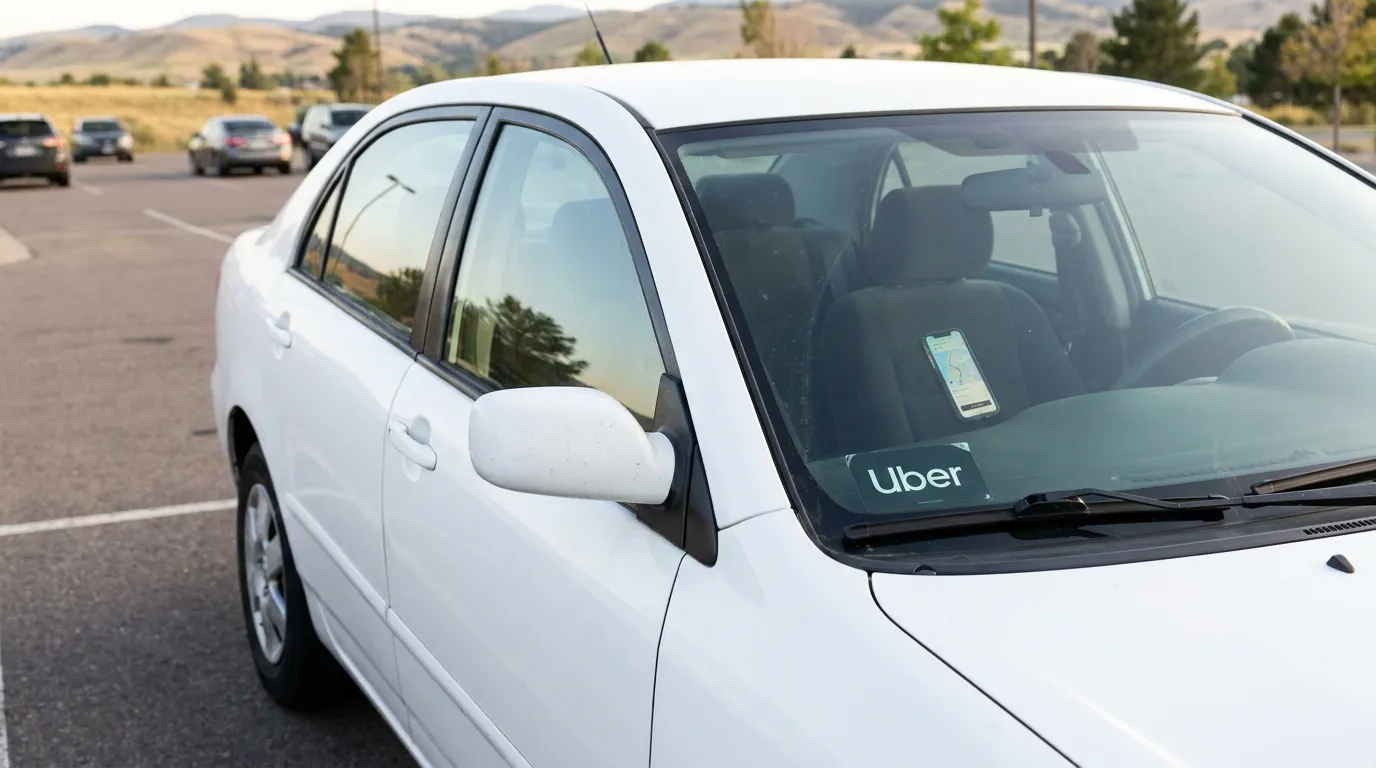
Yes, Uber app data can often be recovered after a Centennial rideshare crash and may become some of the most persuasive evidence in your injury claim. The platform records a detailed digital trail for every ride, including trip times, GPS routes, driver identity, and whether the driver was logged in, waiting, or actively transporting a passenger. Because Uber stores this information, acting quickly to request and preserve it can make the difference between a well-documented claim and a disputed one.
If you were hurt as a passenger, pedestrian, cyclist, or another driver in a Centennial Colorado Uber crash, the team at Jacobs Law is ready to help you protect that evidence and pursue fair compensation. Call us at 303-529-4040 or reach out through our online case review form to discuss your next steps. Early action helps preserve records before they are overwritten or lost.
What Uber App Data Exists After a Centennial Rideshare Crash?
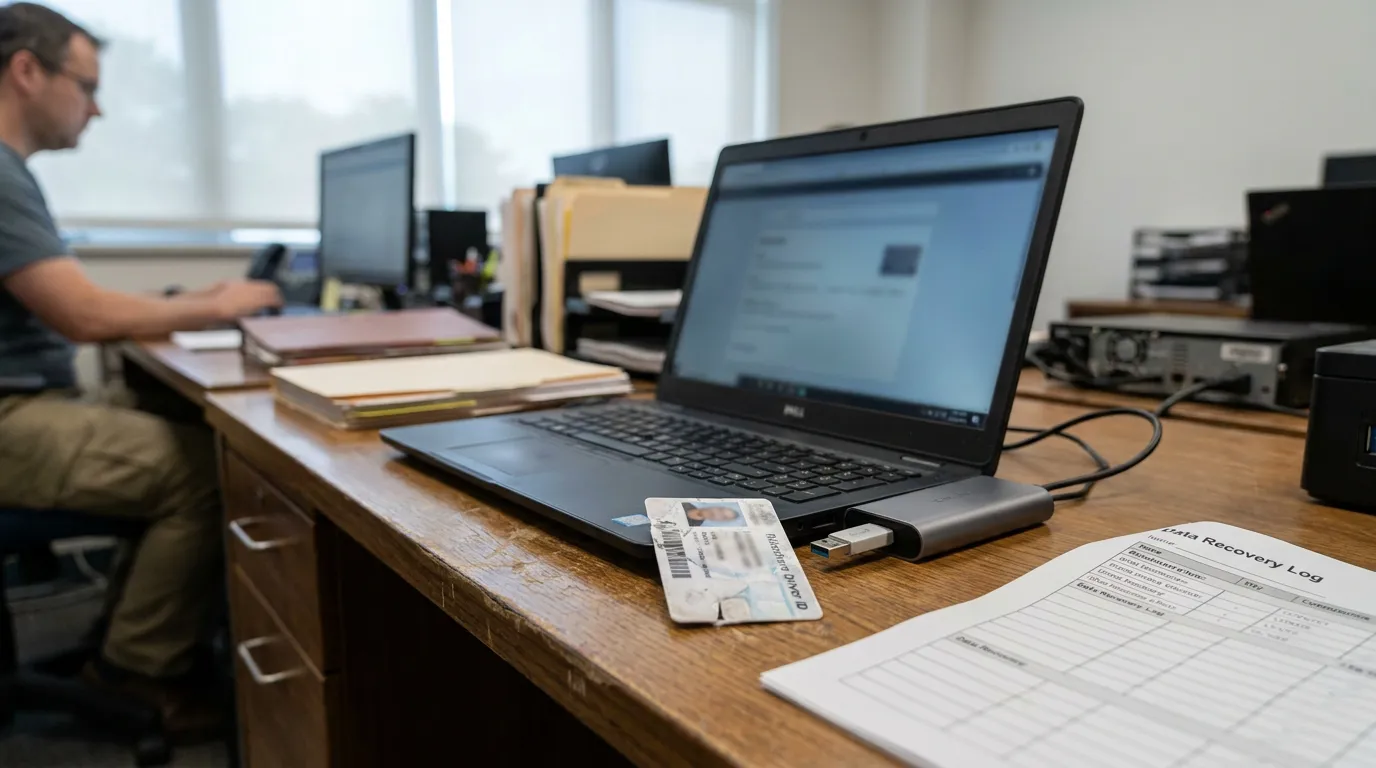
Uber generates and stores significant digital information for every trip, and much of it is directly relevant to proving fault. This data can confirm exactly where a driver was, how fast the trip progressed, and whether the app was active at impact. Often, that timeline corroborates or contradicts what a driver tells an insurance adjuster.
Types of Uber Trip Data That May Help Your Claim
The most useful rideshare accident evidence includes several recoverable records. Not every record exists for every incident, and availability depends on how the trip was booked and whether it was completed. The following items are commonly sought when building a claim:
- GPS location logs and the mapped route
- Trip request, acceptance, pickup, and drop-off timestamps
- Driver identity and account status at the time of the crash
- In-app messages, fare receipts, and ride history
- Whether the driver was off-app, waiting for a request, or on an active trip
This last point is critical because driver status generally controls which insurance coverage applies. Uber’s coverage tiers change depending on whether the driver was logged off, available and waiting, or actively carrying a passenger. Confirming that status through recovered Uber data often determines whether the claim falls under the driver’s personal policy or the rideshare company’s larger commercial coverage.
How to Preserve Digital Evidence After an Uber Crash in Centennial
Preservation starts with immediate, deliberate documentation at the scene and in the following days. Digital records can be automatically overwritten, and phones can be lost or damaged, so preservation should not wait. The steps below protect your position under Colorado law.
Practical Steps to Lock Down the Evidence
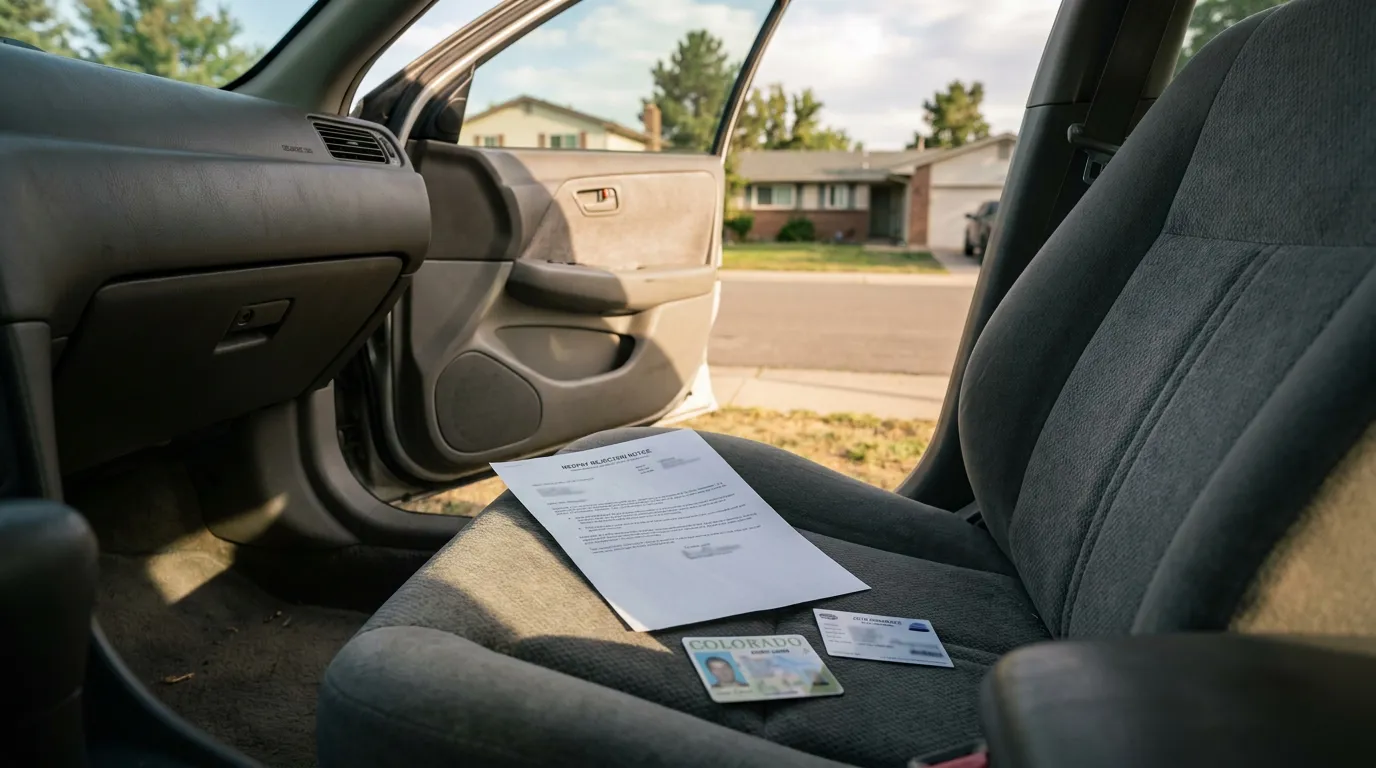
Start by capturing everything from your own device before memories fade. Screenshot your Uber trip receipt, the driver’s name and vehicle, and the ride history showing the date and time. Then photograph the vehicles, the roadway, visible injuries, and any nearby traffic cameras or businesses that may have footage.
💡 Pro Tip: Send yourself a dated email with your screenshots and a short written summary of what happened. A timestamped message creates a contemporaneous record that is harder to challenge later than memory alone.
Colorado law also imposes reporting duties that create an official record to pair with app data. Under the state’s crash statute, a driver in a traffic accident resulting in injury, serious bodily injury, death, or property damage must give immediate notice to the nearest police authority and, if directed, remain until the investigation is complete. You can review the specific duties in Colorado’s crash reporting law, which also carries consequences for noncompliance. Any person who violates the section commits a class 2 misdemeanor traffic offense, which underscores why prompt reporting matters.
Be aware that not every minor collision automatically produces a police report. An officer is not required to file a report where damage to any one person’s property is believed not to exceed $1,000 and there is no injury or death, unless a participant requests it or cannot show proof of insurance. When injuries exist, requesting an official investigation helps ensure there is a report to cross-reference against the digital timeline. For a deeper walkthrough of these preservation steps, our guide on protecting digital evidence rideshare claims explains the process in more detail.
How Colorado Law Shapes Your Rideshare Crash Claim
In Colorado, a personal injury claim generally rises or falls on two elements: liability and damages. A personal injury case officially requires both, and in Colorado, liability means you did not cause the accident or that you are less than 50% at fault for it. Uber trip data can be central to establishing that first element by pinning down exactly what the driver was doing.
Comparative Negligence and Why Fault Percentages Matter
Colorado follows a modified comparative negligence system, so the share of fault assigned to each party directly affects recovery. Comparative negligence is a tort principle used by the court to reduce the amount of damages that a plaintiff can recover according to the degree of negligence each party contributed to the incident. You can read a general overview of this doctrine in this explanation of comparative negligence principles.
Because fault is measured in percentages, precise evidence carries real financial weight. Courts assign a share of responsibility to each side. When an injured victim was partially at fault, the court may assign a percentage of fault to both parties. For instance, if the court assigns 60% fault to the defendant and 40% to the plaintiff, the plaintiff may only recover 60% of damages. App-based timing and location records can help demonstrate that an injured rideshare passenger or bystander did little or nothing to contribute to the collision.
When the at-fault driver was cited for impaired driving, liability is often more straightforward. Establishing fault is usually fairly easy when the other driver was cited for DUI if the victim was sober and was struck. Even then, documenting digital and physical evidence remains important, because the amount of your recovery still depends heavily on proving damages.
Proving Damages With Uber Trip Data and Solid Records
Recoverable damages in Colorado reach well beyond emergency room bills. Compensation may include loss of income and even allowable compensation for pain, suffering, and loss of enjoyment of life. Colorado’s pattern jury instructions generally divide these into economic losses, noneconomic losses, and physical impairment or disfigurement. Noneconomic damages may be subject to statutory caps under section 13-21-102.5, C.R.S.
Documentation turns a real injury into a provable one. Keep a record of all medical bills, lost wages, and related expenses, if it is not documented, the insurance company will deny it. Pairing your medical records and wage statements with the Uber trip timeline creates a consistent, cross-verified story that strengthens your claim.
| Type of Evidence | What It Helps Prove |
|---|---|
| Uber GPS and timestamp logs | Driver location, speed, and app status |
| Police crash report | Official account and citations issued |
| Medical records and bills | Causation and economic damages |
| Photos and witness statements | Scene conditions and fault |
| Pay records | Lost income and reduced earning capacity |
Coverage questions also affect what you can realistically recover. In Colorado, a request can be made to the at-fault driver’s insurer for a copy of the policy and its limits, and underinsured motorist coverage may serve as an additional source of compensation. A knowledgeable Centennial rideshare lawyer can help identify every applicable policy, including Uber’s tiered commercial coverage.
Frequently Asked Questions
1. Can I get Uber app data myself, or do I need help?
You can save your own trip receipts and history, but broader records usually require a formal request. Detailed backend data, such as full GPS logs and driver status, is held by Uber and often obtained through a preservation letter or litigation process.
2. How quickly should I act to recover Uber data?
The sooner the better, because digital records can be overwritten or become harder to obtain over time. While specific retention periods vary, prompt written preservation requests reduce the risk that key rideshare accident evidence disappears.
3. Does a DUI citation guarantee I win my claim?
No outcome is guaranteed, though a DUI citation can make proving liability more straightforward. You still must prove causation and document your damages, and comparative negligence rules can affect the final recovery based on the specific facts.
4. What if no police report was filed after my Centennial Colorado Uber crash?
A report is not always required for minor property-only incidents, but you can request one, especially when injuries exist. In limited situations, the absence of a report makes app data and witness statements even more important to reconstruct what happened.
5. How does comparative negligence affect my compensation?
Under Colorado’s modified system, your recovery may be reduced by your percentage of fault and generally barred if you are 50% or more responsible. Courts interpret fault based on the evidence presented, which is why preserving objective digital records matters.
Protecting Your Rights After a Centennial Uber Crash
Recovering Uber app data can be a decisive step toward proving both liability and damages after a rideshare collision. The digital timeline, combined with a police report, medical records, and careful documentation, helps establish what the driver was doing and how the crash affected your life. Because Colorado’s comparative negligence and damages rules turn on specific facts, the strength of your evidence often shapes the strength of your claim.
Every rideshare case is different, and time-sensitive records will not wait. If you were injured in an Uber accident Centennial residents trust the attorneys at Jacobs Law to help you preserve evidence and pursue the compensation you deserve. Call 303-529-4040 today or complete our confidential contact form to get started with a team ready to advocate for you.