Understanding Your Rights as an Injured Pedestrian in a Centennial Rideshare Crash
Key Takeaways: Injured pedestrians in Centennial can sue after a rideshare crash and recover compensation even when partially at fault. Colorado’s modified comparative negligence rule bars recovery only when your fault equals or exceeds the defendant’s (50% or more). Whether Uber is liable depends on the driver’s status at collision, app off, awaiting a request, or actively transporting, since each phase triggers different insurance coverage. Juries assign fault percentages that proportionally reduce awards, making thorough documentation of the scene and driver’s on-trip status essential. Recoverable damages include medical expenses, lost wages, future earning capacity, and pain and suffering, subject to statutory limits. Most motor vehicle injury claims must be filed within three years under C.R.S. § 13-80-101(1)(n). Acting quickly to preserve evidence and consult an attorney offers the best protection for your claim.
If you were struck by a rideshare vehicle while walking in Centennial, you likely have the right to pursue compensation. Your partial fault will not automatically end your claim. Colorado law allows injured pedestrians to seek recovery from negligent drivers and, in certain circumstances, from the rideshare company. Recovery depends on the driver’s status at collision, available insurance coverage, and how fault is divided. This guide explains how the law treats pedestrian rideshare crashes and what steps protect your claim.
📞 If you are facing medical bills and uncertainty after a collision, the team at Jacobs Law is ready to help. Call us at 303-529-4040 or reach out through our contact page to discuss your options today.
How Colorado’s Comparative Negligence Rule Protects Injured Pedestrians
Colorado abandoned its all-or-nothing fault rule over fifty years ago, and that change continues to benefit injured pedestrians. On July 1, 1971, Colorado’s Comparative Negligence Act became effective, eliminating the contributory negligence bar. For Centennial pedestrians, this means stepping slightly outside a crosswalk or sharing some blame does not necessarily defeat a claim.
Colorado follows a "modified" comparative negligence system. This distinction matters enormously. Modified comparative negligence is followed by the majority of states. Colorado’s version, codified at C.R.S. § 13-21-111, reduces a plaintiff’s recovery by their share of fault and bars recovery entirely if that share equals or exceeds the defendant’s fault.
Under the modified rule, the point where a plaintiff’s negligence equals the defendant’s acts as a hard ceiling. A pedestrian found 49% at fault may still recover, while one found 50% or more generally recovers nothing. These percentages drive the entire outcome, making how fault is investigated and presented critical.
💡 Pro Tip: Document the scene thoroughly. Photographs of crosswalk markings, traffic signals, and vehicle positions can support a lower fault percentage assigned to you.
Can You Sue Uber After an Accident in Centennial Colorado?
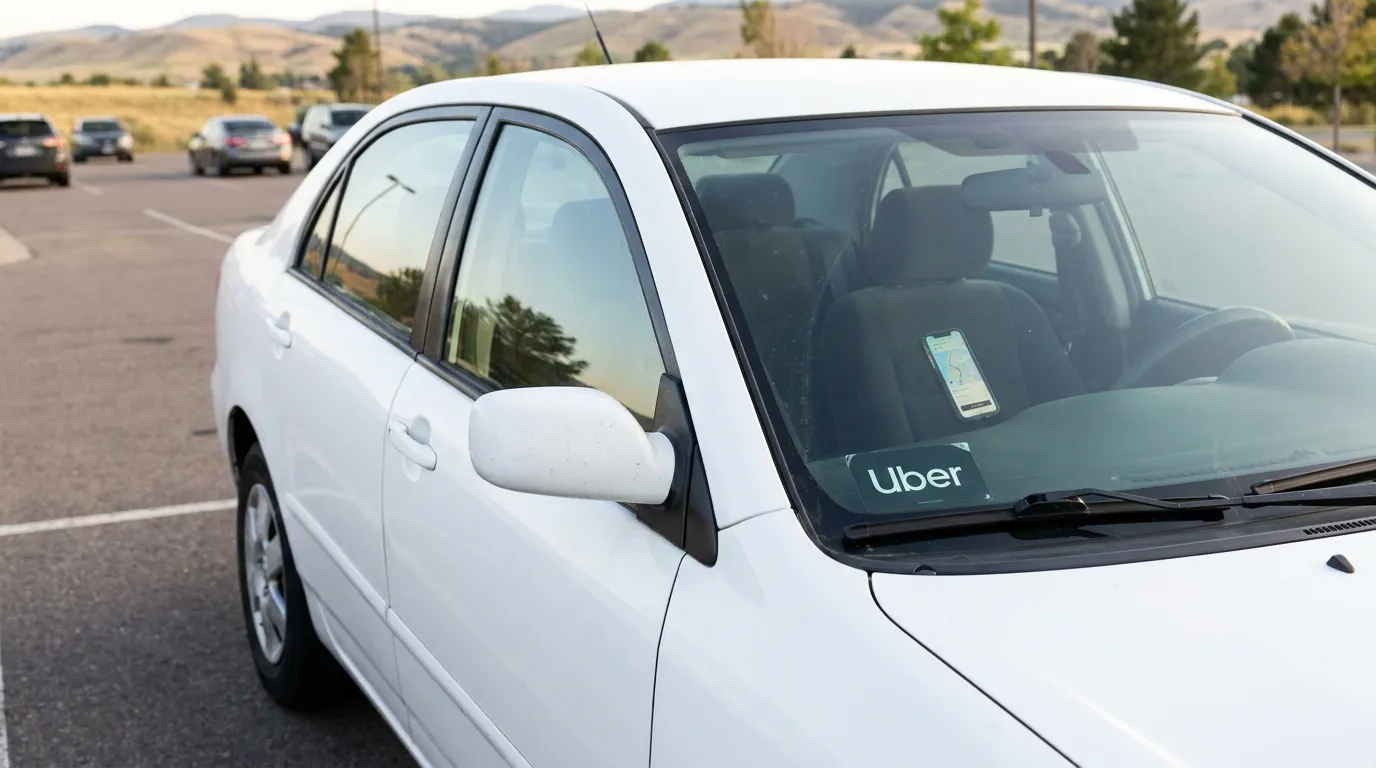
Yes, you generally can, but whether Uber itself is a proper defendant depends on the driver’s relationship to the platform at the crash moment. Rideshare liability often turns on whether the driver was logged into the app, waiting for a ride request, or actively transporting a passenger. These phases trigger different insurance coverage tiers, making identifying the driver’s status one of the first tasks in any rideshare accident in Centennial.
Vicarious liability is the legal theory that can connect a company to a driver’s conduct. Where an agency relationship exists and one defendant is vicariously liable only by reason of the relationship, defendants are considered as a unit for comparison with plaintiff’s conduct. This principle helps frame how Uber’s potential responsibility may be evaluated alongside the driver’s. Rideshare companies frequently classify drivers as independent contractors, which can complicate vicarious liability arguments.
Multi-defendant cases follow a specific comparison method under Colorado’s statute. When you sue both the driver and the company as separate defendants, the plaintiff’s conduct is compared with the combined negligence of all defendants rather than against each defendant individually; the degree of fault of each defendant is combined and then compared with the degree of fault of the plaintiff under C.R.S. § 13-21-111. Sorting through these relationships is complex, and many injured pedestrians benefit from guidance on the question of who is liable when an Uber driver causes a crash in this area.
💡 Pro Tip: Preserve the in-app trip record if you were a passenger, and ask responding officers to note the rideshare connection. Ride logs and platform data can establish the driver’s on-trip or off-trip status.
How Fault and Damages Are Calculated in a Pedestrian Rideshare Case
A jury ultimately assigns the percentages that determine your recovery. Colorado’s statute requires the jury to record percentage allocations on a special verdict form and find total damages. The trial judge then reduces damages by the plaintiff’s percentage of negligence. These courtroom mechanics directly translate into dollars.
A simple illustration shows how proportional reduction works. As the doctrine of comparative negligence describes, if a court assigns 60% fault to the defendant and 40% to the plaintiff, the plaintiff recovers only 60% of damages. Applied to a pedestrian claim, a $100,000 award reduced by 40% fault would yield $60,000.
The differing standards of care between pedestrians and drivers shape the fault analysis. Courts compare each party’s deviation from their applicable standard of care. A pedestrian and a professional rideshare driver are not held to identical expectations, and that distinction can influence the percentages.
| Phase of Rideshare Trip | Typical Coverage Question |
|---|---|
| App off | Driver’s personal auto policy generally applies |
| App on, awaiting request | Limited contingent coverage may apply |
| En route or transporting | Higher commercial coverage often applies |
This table is a general illustration only; actual coverage depends on policy terms and the facts of each crash.
What Compensation May Be Available After an Uber Pedestrian Injury
Recoverable damages in a Centennial pedestrian accident claim can include both economic and non-economic losses. Economic damages cover measurable financial harm, while non-economic damages address human losses that are harder to quantify. Colorado case law recognizes recovery for loss of future earnings and non-economic harm like pain and loss of enjoyment of life.
Several common categories of damages may apply:
- Medical expenses, both current and reasonably anticipated future care
- Lost wages and diminished future earning capacity
- Pain, suffering, and loss of enjoyment of life, subject to statutory limits
- Property damage and other out-of-pocket costs
Insurance payments interact with your recovery under the collateral source rule. Colorado addresses how outside benefits affect what a plaintiff can collect, including statutory abrogation of the "gratuitous government benefits" exception under section 10-1-135. These rules can affect the math, so coverage questions deserve careful attention.
Where a pedestrian is killed, Colorado limits damages available in a survival claim. Damages in a survival action are limited to loss of earnings and expenses before death and cannot include pain, suffering, disfigurement, or prospective earnings after death under C.R.S. § 13-20-101(1). Wrongful death claims brought by surviving family members are governed by a separate statute.
💡 Pro Tip: Keep a contemporaneous journal of your symptoms, missed work, and daily limitations. This record can support non-economic damages that medical bills alone do not capture.
The Filing Deadline You Cannot Afford to Miss
A statute of limitations sets the outer time limit for starting a lawsuit, and missing it can permanently end an otherwise valid claim. A statute of limitations specifies the maximum length of time allowed to initiate legal proceedings. For most Colorado motor vehicle injury claims, C.R.S. § 13-80-101(1)(n) provides a three-year window.
Tolling may pause the clock, but courts apply these exceptions narrowly. A nonpartisan Colorado Legislative Council Staff memorandum on statutes of limitations in civil cases covers tolling as legally suspending limitations so lawsuits may be filed after the expiration date. Circumstances such as fraudulent concealment or a plaintiff’s legal disability can extend the period in limited situations, but you should never assume an extension applies.
Civil deadlines are distinct from administrative or insurance notice requirements. A claim against an insurer follows the policy’s notice provisions, while a civil lawsuit follows the statutory deadline. Prompt review of your situation is the safest course, and working with a Centennial Colorado accident lawyer early can help preserve evidence before it disappears.
💡 Pro Tip: Treat the earliest possible deadline as your working deadline. Building your claim well before any limitations period expires leaves room for negotiation and unexpected delays.
Frequently Asked Questions
1. Can you sue Uber after an accident in Centennial Colorado if you were partially at fault?
Yes, in many cases. Colorado’s modified comparative negligence under C.R.S. § 13-21-111 allows recovery if your fault is below the defendant’s (under 50% in a typical two-party case), though your award is reduced by your percentage.
2. Does it matter whether the Uber driver was on a trip?
Yes. The driver’s status when the crash occurred generally determines which insurance coverage tier applies, making establishing on-trip or off-trip status critical in a Centennial Uber lawsuit.
3. How long do I have to file a claim after a rideshare crash?
Most Colorado motor vehicle injury claims are subject to a three-year limit under C.R.S. § 13-80-101(1)(n). Certain exceptions like tolling may apply in limited circumstances, so confirm your deadline promptly.
4. What if a pedestrian dies in the crash?
Colorado limits damages in survival personal injury claims under C.R.S. § 13-20-101(1), excluding pain and suffering after death. Surviving family members may have separate wrongful death rights.
5. How is my compensation reduced if I share blame?
Your recovery is reduced proportionally to your fault percentage. If you are 30% at fault, you generally recover 70% of total damages, assuming your share stays below the statutory bar.
Moving Forward After a Centennial Rideshare Collision
Injured pedestrians in Centennial generally have the right to pursue an Uber crash compensation claim, even when they bear some responsibility, thanks to Colorado’s modified comparative negligence framework. The strength of your claim depends on identifying the driver’s status, untangling rideshare liability in Colorado, documenting your losses, and acting before the deadline expires. Because every collision involves unique facts, careful preparation matters at every stage.
📞 If you are dealing with the aftermath of an Uber pedestrian injury, the attorneys at Jacobs Law are prepared to evaluate your situation and protect your rights. Call 303-529-4040 or send us a message online to take the next step toward recovery today.